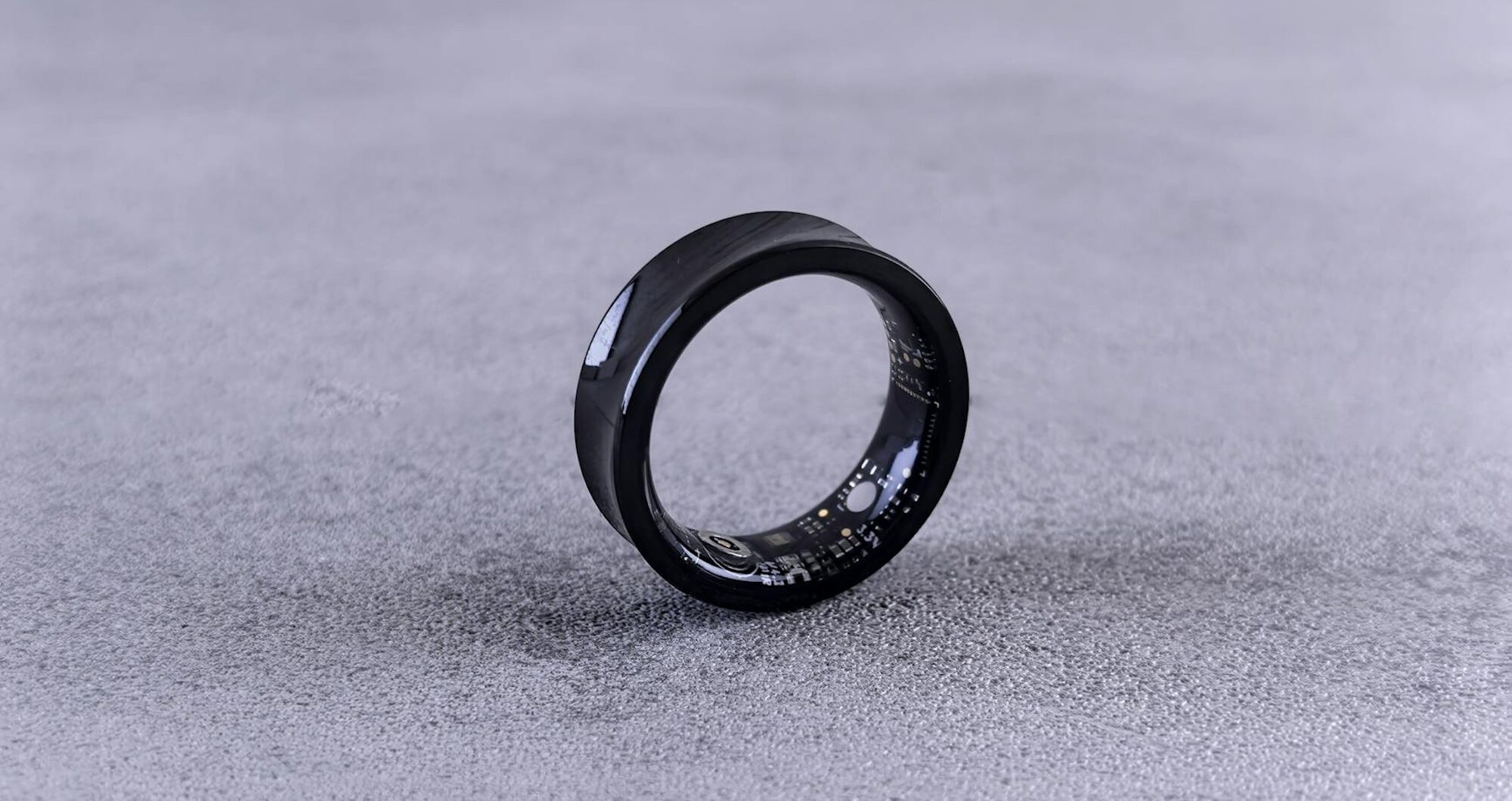

Wearable devices – or ‘wearables’ – are electronic devices worn on a person’s body which monitor activity and health. They integrate sensors, wireless technology, and software to connect with devices such as smartphones or tablets, sending data to apps to provide insights on fitness, sleep, and physiological data.
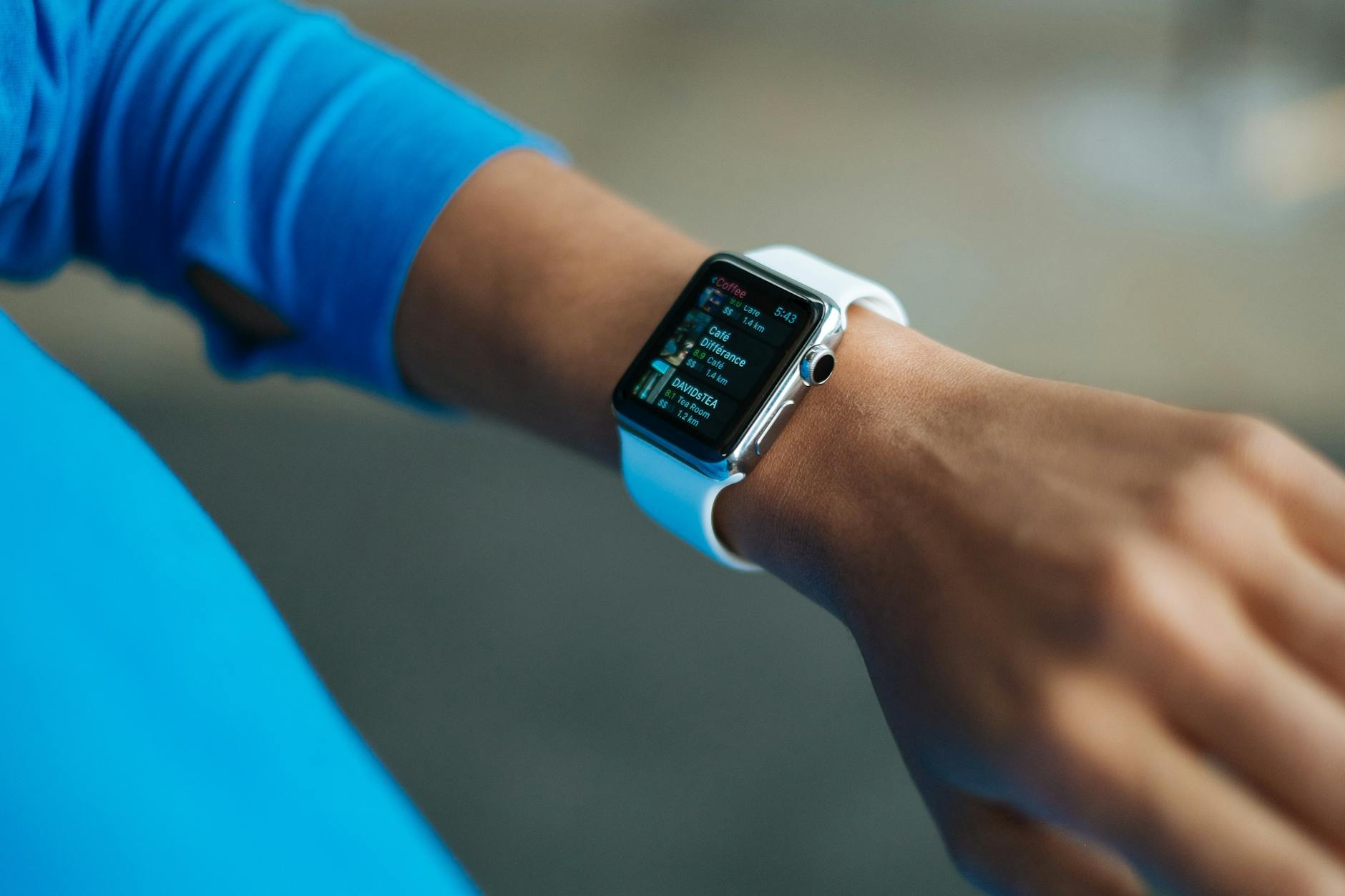
Fitness watches like the Garmin Forerunner or Apple Watch are popular, and can track calories burned, steps walked, and heart rate data with high accuracy. Advanced watches are also designed with the ability to detect falls and serious vehicle accidents and alert the relevant emergency services, highlighting the advanced technology.
However, the industry is evolving, with smart rings gaining popularity. Offering compact and discreet solutions for health and wellness tracking, smart rings play a key role in the personal health revolution. Though relatively early in adoption, the global smart ring market is valued at roughly $350 million (£260m), projected to exceed $1 billion (£760m) by 2030. Growth has been driven by innovators such as Circular and Ultrahuman alongside established personal technology companies like Samsung, Apple, and Xiaomi.
Investors are acutely aware of the potential for smart rings to form a key part of the health tech landscape, with Finnish company Oura recently closing a $200 million (£150m) funding round, reaching a $5.2 billion (£3.9bn) valuation. Many smart ring models track metrics such as heart rate, sleep quality, and skin temperature, as well as convenient features such as contactless payment. Their compact size makes them ideal for providing health insights without the bulk of a smartwatch.
As competition grows, patent strategy becomes vital; companies are investing in patents for sensor integration, battery efficiency, and device connectivity. Strong IP portfolios provide a competitive edge, not just by protecting core technologies, but also by increasing valuation, attracting investment, and enabling partnerships or acquisitions. For both startups and incumbents, controlling IP will likely shape leaders in this evolving space.
Patent publications for smart ring technology have risen remarkably in the last five years. In 2022, around 112 applications were published, rising to 193 in 2023 and 382 in 2024 – nearly doubling year-on-year. The rapid growth in patent publication activity suggests a significant surge in investment and innovation in the smart ring sector.
A key driver is the shift from wellness to health tracking. Oura CEO Tom Hale acknowledges the challenge of achieving “clinical-grade” accuracy, requiring smaller sensors, better battery life, and high data fidelity. In contrast, the number of patent publications related to wearable devices as a whole – including smart watches, fitness trackers, and other worn technology – has followed a more gradual and steady increase which may indicate increased maturity of the wider wearables market.
The landscape of top patent filers in the smart ring space comprises both established multinational corporations and more specialised small to medium-sized enterprises. The leading filers include Samsung, Oura, Apple, and Sky Labs. Oura continues to lead the smart ring market, with an 80% market share as of 2023, evidenced in their maintained position as a top wearables patent filer alongside larger technology companies like Apple and Samsung. This suggests an emphasis on intellectual property as a core strategy.

Oura’s latest product, the Oura Ring 4, introduces hardware advances such as a photoplethysmography (PPG) system that measures blood volume changes, improving biometric data, especially for heart rate and heart rate variability measurements. Additionally, Oura has integrated new features such as Automatic Activity Detection, Cycle Insights and Daytime Stress Monitoring. These innovations help users better understand their daily activity patterns and overall health.
Sky Labs has introduced software advances which emphasise AI-powered health monitoring and hospital-integrated solutions, positioning itself at the intersection of wearable technology and clinical diagnostics. This aligns with the broader industry push toward “clinical-grade” health tracking – a goal that remains a major focus for smart ring technology. The diversity in strategies by Oura and Sky Labs underscores a broader trend in the smart ring ecosystem: an increasing interplay between miniaturised sensors and advanced software is shaping how personal health solutions are delivered.
Another company utilising patents in personalised health technology is Evie by Movano Health. Evie leverages the latest research on hormonal health and uses it as training data for its AI-driven insight engine. This platform allows users to log menstrual symptoms and receive tailored responses to health-related questions. By tracking patterns over time, the system can help identify underlying trends and empower users to take proactive steps toward improving their overall wellbeing.
Wearable technology will continue to offer new ways to improve health monitoring, communication, and entertainment. The next decade promises further integration of AI, improved battery life, and enhanced functionalities across all types of wearables. It will be fascinating to see how wearables evolve and shape the medical, fitness, and entertainment industries, an area still ripe for innovation and valuable new intellectual property.
At Reddie & Grose, we have a team of attorneys with strong interest and proven experience in medical technologies. If you need help protecting your innovations in this field, get in touch today here.
By Ethan Hutchings, Oran Friar, and Grace Tang from Reddie & Grose
Image by Ketut Subiyanto on Pexels