
Picture a typical moving day in London. The removal van leaves at half eight. By nine, the two-bedroom flat is empty apart from a few bin bags by the door and a set of keys on the kitchen worktop. The tenants have a check-out inspection booked for the next afternoon, a deposit of around £2,000 riding on it, and no wish to spend their first evening in a new home scrubbing an oven they no longer own.
This is where a typical end of tenancy clean begins. For a two-bedroom flat, CityHousekeeping, a London cleaning company, usually sends two cleaners for around five hours. It sounds like a long time to clean a flat that’s already empty. By the end of the day, it’s clear why it isn’t.
9:00: The walk-round
Nothing gets wiped in the first ten minutes. The two cleaners walk through every room, open the oven, look inside the fridge and kitchen cupboards, check the bathroom grout and run a hand along the top of the door frames. If the tenants have left a copy of the check-in inventory, they read it.
“The inventory tells you what the agent will be comparing against,” the CityHousekeeping team explains. “If it says the carpets were professionally cleaned at the start, or the oven was new, that changes how you plan the day.”
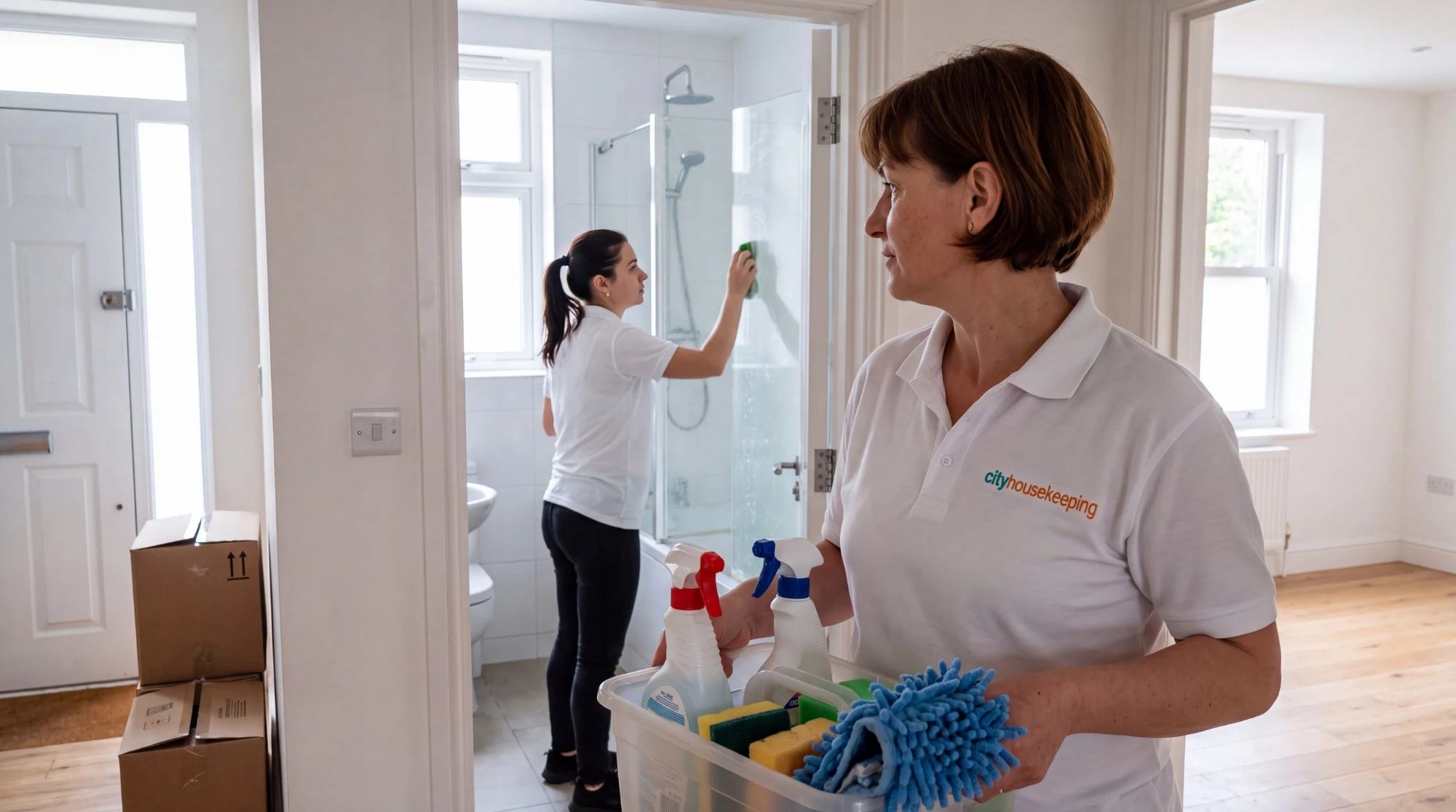
Then the job is split. One cleaner takes the kitchen. The other starts at the top of the bathroom and works down.
9:15: The kitchen, and the oven
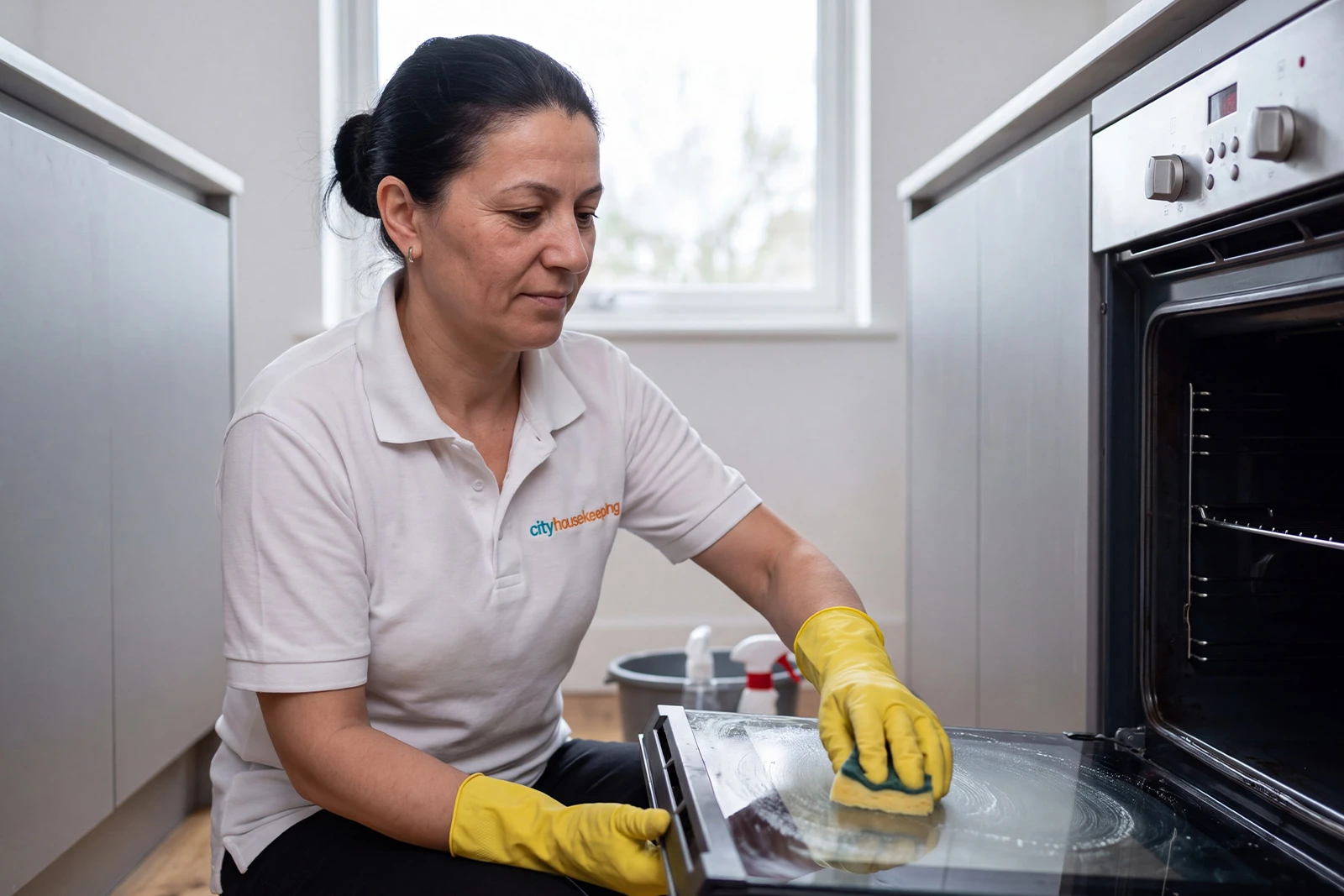
The oven is almost always the longest single task. Racks and trays come out to soak. The glass door is taken apart where the model allows it, because grease collects between the panes. The cooker hood filter is degreased, the hob is cleaned around every edge, and the extractor fan cover comes down.
While the oven soaks, the rest of the kitchen gets done from the top: cupboard tops, the inside of every cupboard and drawer, cabinet doors and handles, tiles, the sink and taps, worktops and finally the appliances. The fridge and freezer are emptied, defrosted if needed, wiped inside and out, and left with the door slightly open so they don’t smell.
It’s detailed work, and it’s exactly what inventory clerks check first. According to the latest figures from The Deposit Protection Service, cleaning has been the most common reason for deposit claims for five years running.
10:00: The bathroom
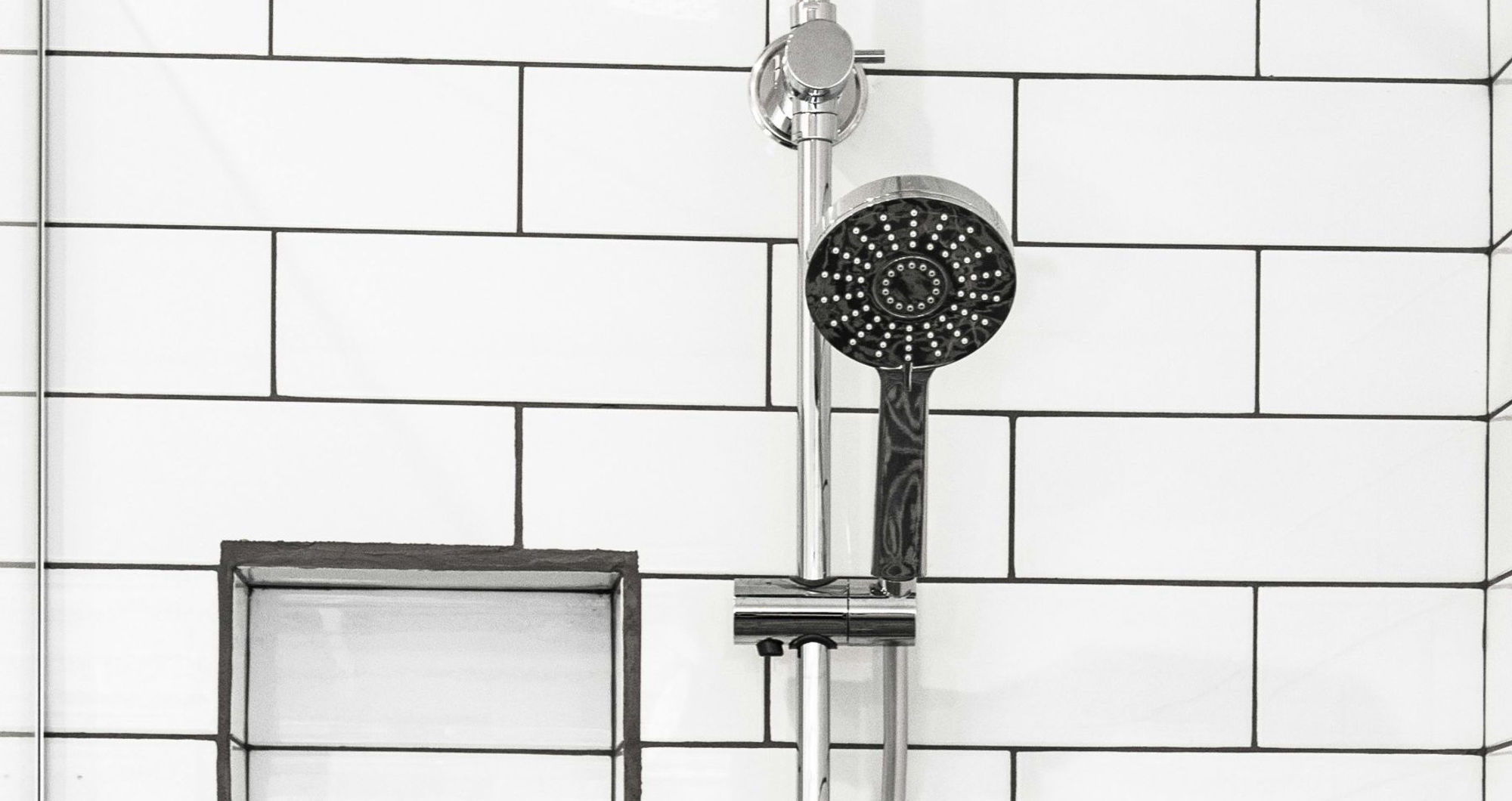
London’s hard water is the enemy here. Limescale builds up on taps, shower screens, shower heads, the bath and the base of the toilet, and it doesn’t come off with a quick wipe. Each surface is treated, left to work and then cleaned, sometimes more than once.
The grout and silicone get attention too, along with the extractor fan, the mirror, the window and the floor behind the toilet. Any mould on the sealant is cleaned off. If it has grown into the silicone itself, the tenants are told, because no amount of cleaning will remove it and it’s better they hear it now than at check-out.
11:30: Bedrooms and living room
With the wet rooms done, the dry rooms move faster but still take care. Skirting boards, light switches, plug sockets and door handles are wiped. Window frames, sills and the inside of the glass are cleaned. Wardrobes are wiped inside, including the top shelf most people never see. Radiators are dusted, top and back.
Carpets are vacuumed thoroughly, edges included. If the inventory calls for it, or there are stains or pet hair, a carpet steam clean can be added to the booking, but it needs time to dry before the inspection.
1:00: The hallway and the final check
The hallway comes last, because it’s the route in and out all morning. Then comes the part the customer never sees: a second walk-round, this time with fresh eyes. One cleaner checks the other’s rooms. Fingerprints on a cupboard door, a missed shelf, a streak on the glass all get fixed before anyone leaves.
“The final check is where you earn the deposit back,” the team says. “It’s the small things, the top of a door frame or a smear on the oven glass, that end up on the agent’s report.”
2:00: Done
Five hours after they arrived, the flat smells clean and looks ready for the next tenants. The tenants get photos, and the agent’s inspection is the next day. CityHousekeeping’s end of tenancy cleaning in London comes with a re-clean if the agent flags anything within 48 hours, which is often what gives tenants peace of mind.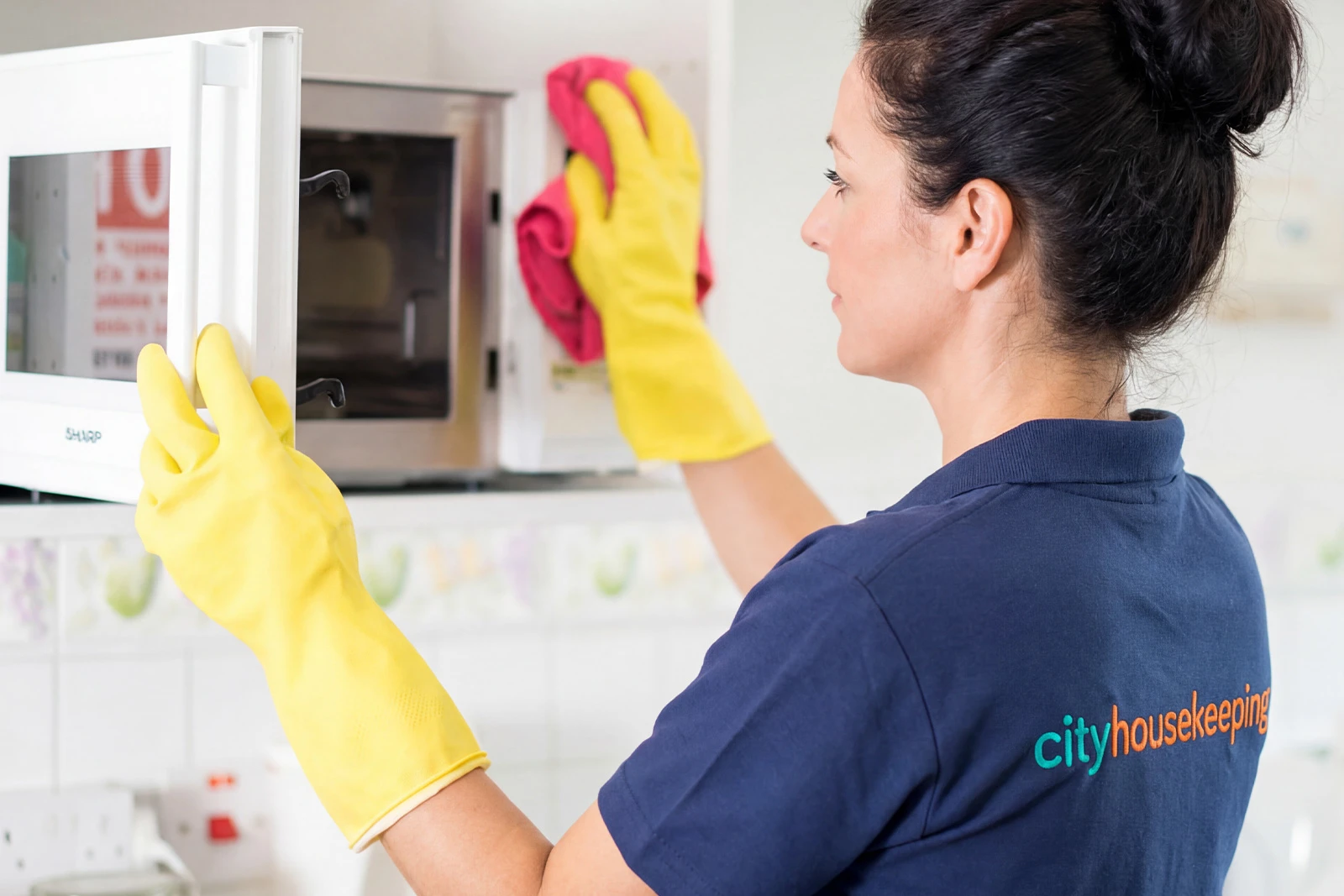
What renters can learn from it
Not everyone books a professional clean, and the law doesn’t require it. Under the Tenant Fees Act, landlords can only ask for the property to be returned as clean as it was at the start. But watching a clean like this one explains why so many DIY attempts fall short. It’s not about effort. It’s about knowing where to look and having the time to do every room properly.
A few tips from the team for anyone cleaning themselves:
- start with the oven and leave it soaking while you do everything else
- work from top to bottom in every room, so dust falls onto areas you haven’t cleaned yet
- treat limescale and walk away, rather than scrubbing harder
- clean inside every cupboard, wardrobe and appliance
- do a final walk-round as if you were the inspector
The same room-by-room approach is the backbone of the company’s service for deep cleaning in London, which many people book before moving in, before hosting at Christmas, or simply once or twice a year to reset a busy home.
The goal of all those hours is simple: a check-out report with no cleaning notes on it, and a deposit that comes back in full.