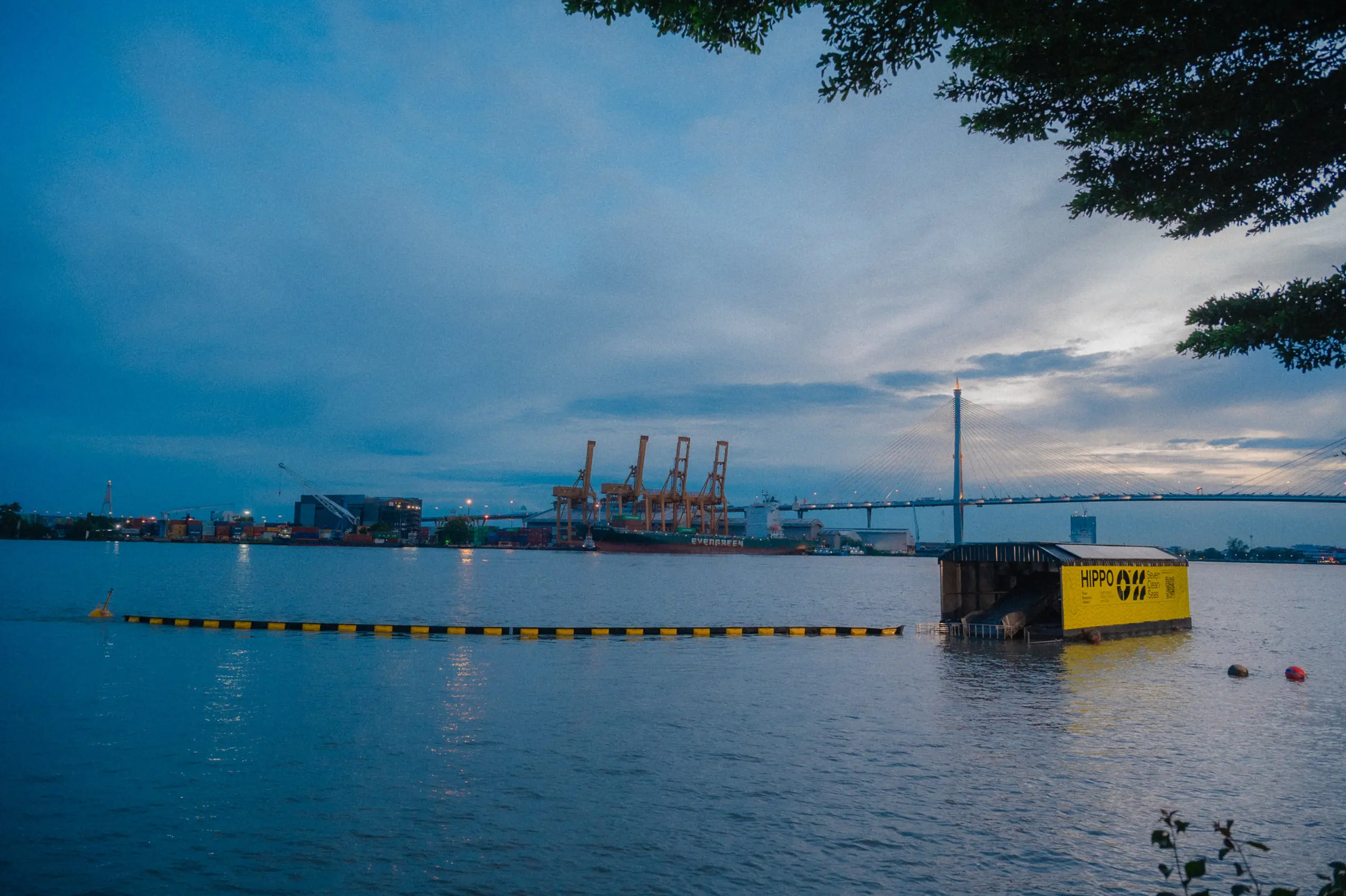

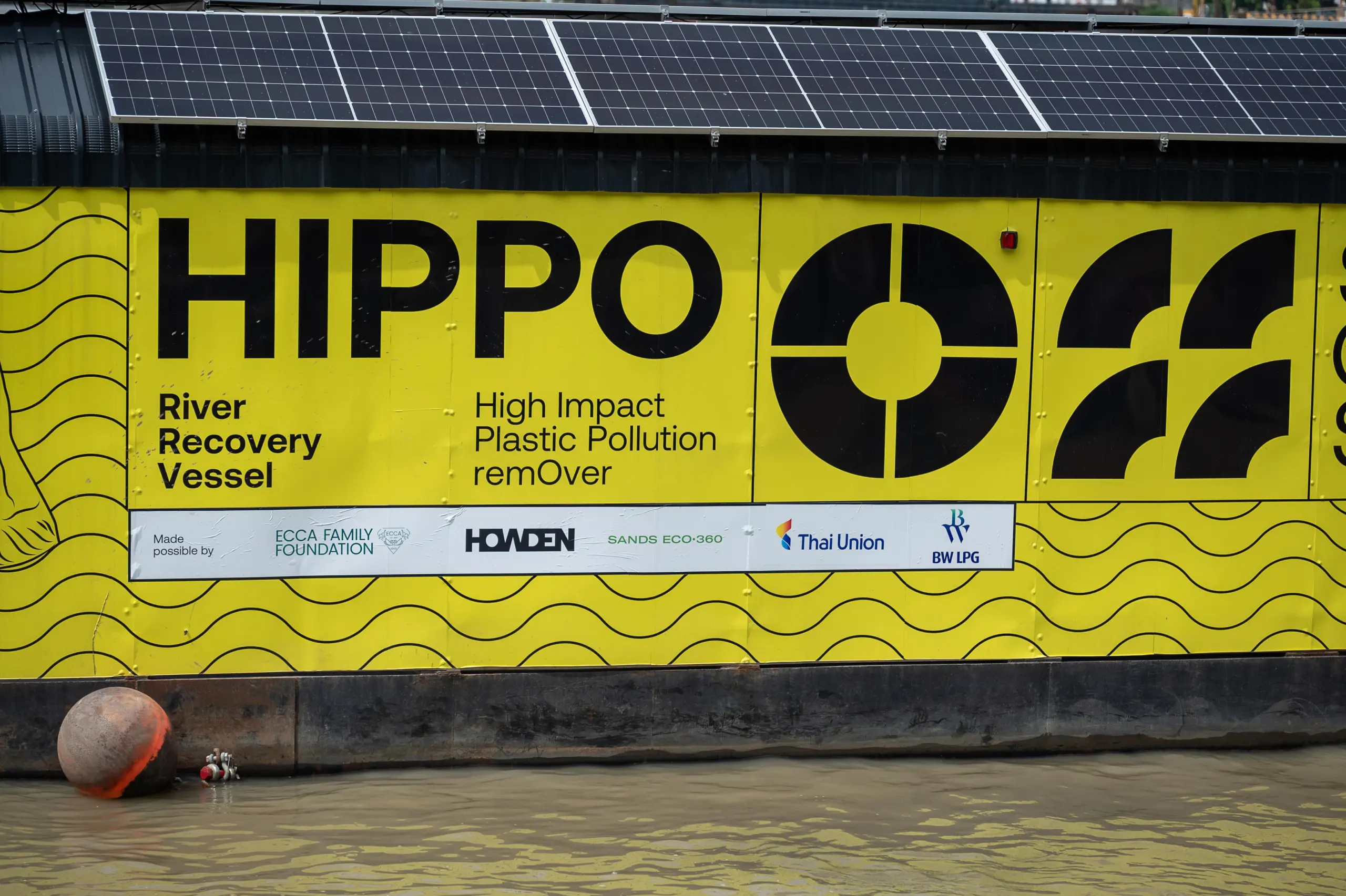
Seven Clean Seas, a British-founded environmental organisation, is spearheading efforts to combat the escalating plastic pollution in Asia’s Chao Phraya River, which is set to reach critical levels with around 4 million kg of plastic pollution flowing through it annually. The organisation proudly unveils its groundbreaking HIPPO project, an advanced system engineered to capture and recycle plastic waste before it reaches the ocean. To bolster this initiative, funding has been secured through plastic credits.
Tom Peacock-Nazil, founder of Seven Clean Seas commented,
“The launch of the HIPPO marks a significant milestone for our organisation and a pivotal step in global plastic waste management. By integrating advanced technologies and leveraging plastic credits, we provide a scalable, replicable model of environmental stewardship that offers businesses and the community a tangible way to contribute and experience cleaner waterways and a healthier planet”.
Chao Phraya River Significance
According to a new survey over half of the world’s plastic pollution is generated by just 60 firms, with Nestle, Coca-Cola, and Pepsi among the worst offenders. This underscores the urgent need for targeted initiatives to combat plastic pollution in specific regions like the Chao Phraya River.
Despite being a crucial lifeline for 13 million people, the river is one of the most polluted waterways in Asia, with some of the highest concentrations of plastic waste. Flowing directly into the Gulf of Thailand and being a major pollutant to the ocean, the Chao Phraya waterway has been identified as an area in urgent need of intervention.
Community Collaboration
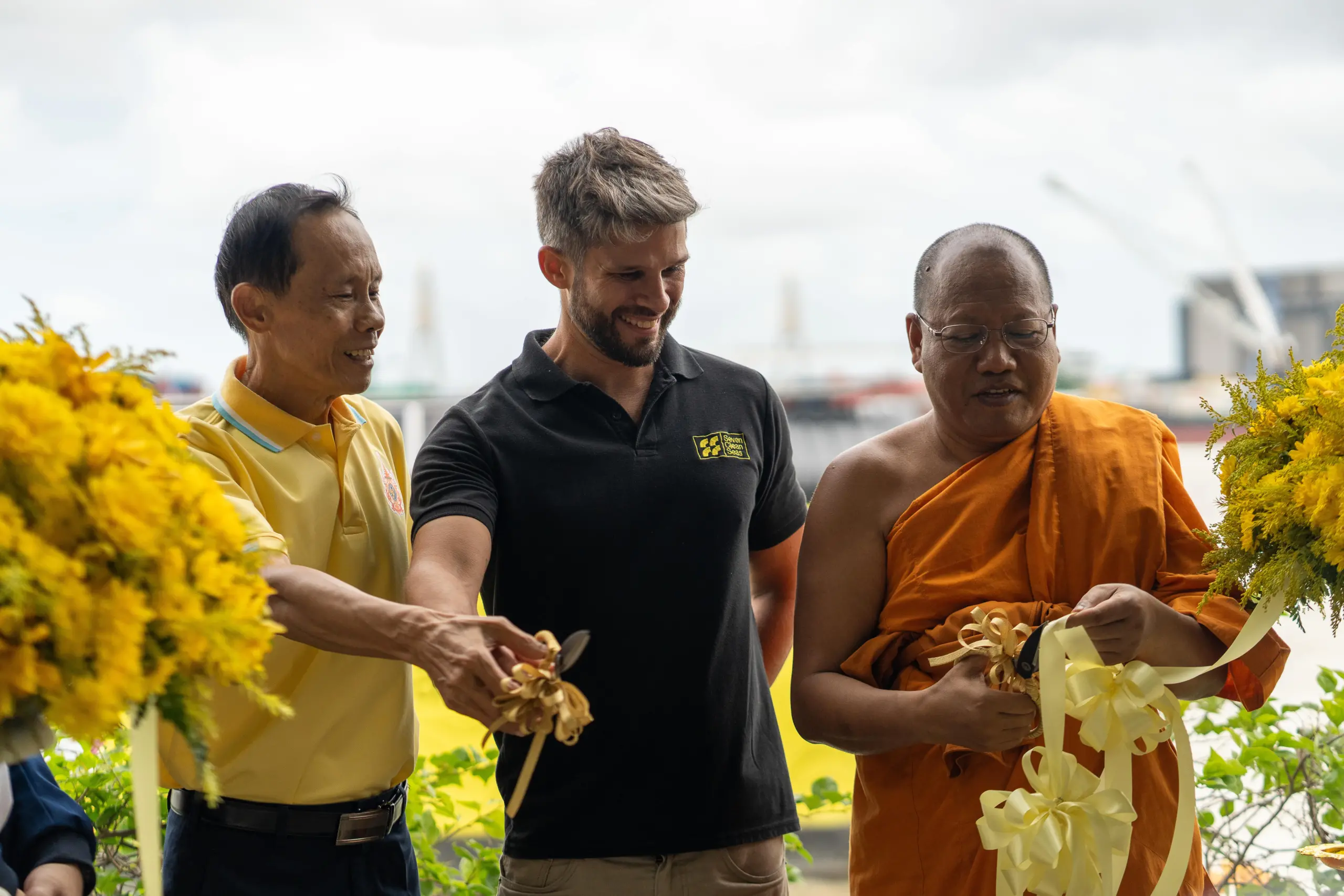
Seven Clean Seas has partnered closely with local stakeholders, including Wat Chak Daeng (WCD) temple and Thailand’s Marine and Coastal Resources Research Center (DMCR) to implement strategic measures to intercept plastic debris before it reaches the open sea.
Phra Ratcha Vajra Bandit, the abbot of Wat Chak Daeng temple commented: “This important collaboration with Seven Clean Seas will not only make a difference in the local community, it will also increase global public exposure and create more awareness about plastic pollution that harms our rivers and oceans, which is our collective goal.”
Plastic credits and their impact
Plastic credits mobilise corporate capital to invest into new, and sustainably finance existing, ocean impact projects that tackle plastic pollution. This acts as part of a broader collective action strategy that can drive circularity through funding collection and recycling of plastic and inspire different stakeholders to contribute to global solutions.
These credits, generated by collecting and recycling plastic waste, enable organisations to offset their plastic footprint while supporting responsible initiatives. By funding waste management infrastructure in Indonesia and Thailand, Seven Clean Seas is paving the way for a cleaner, healthier future for our oceans and communities.
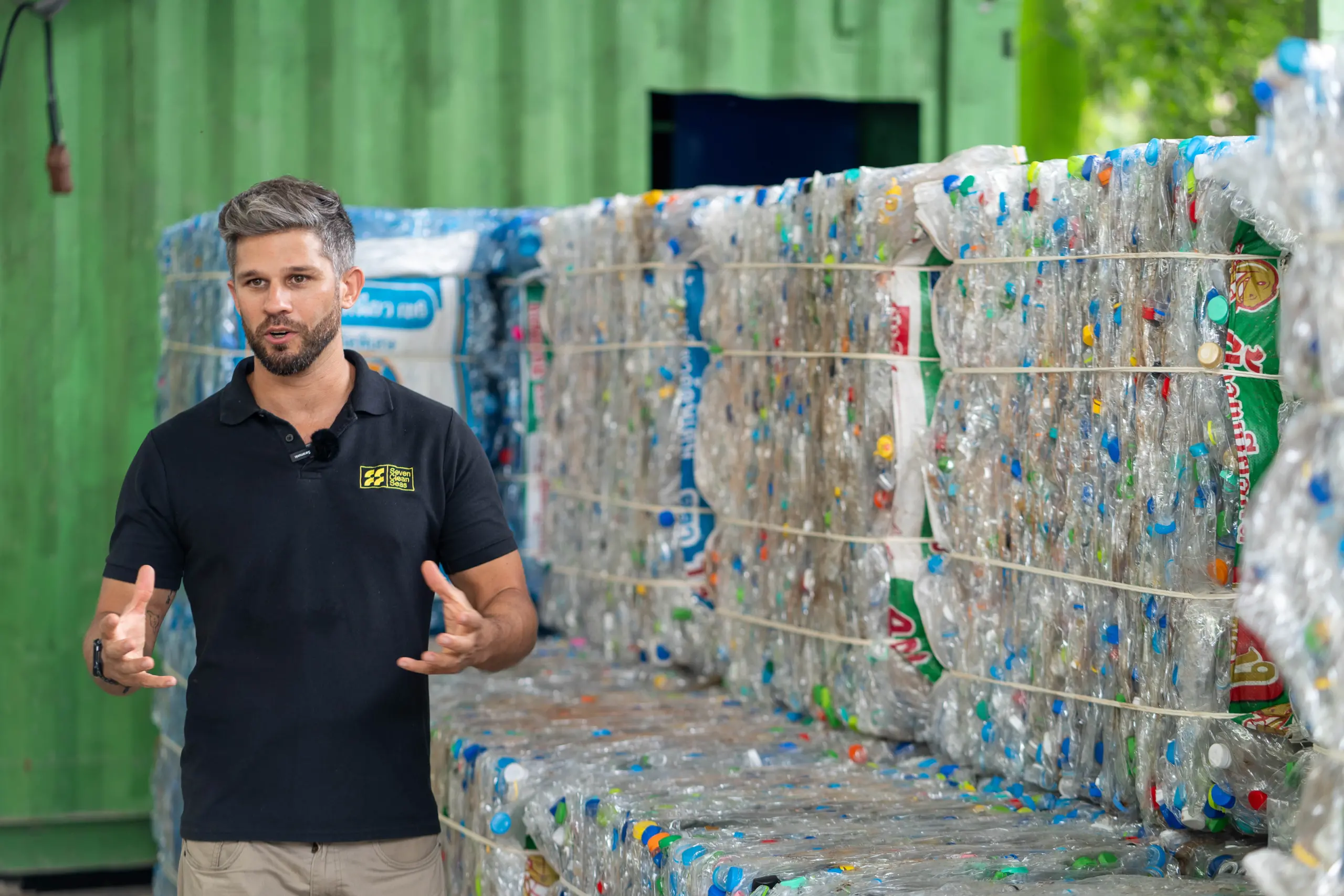
Seven Clean Seas offers corporate partners the opportunity to measure and reduce their plastic footprints, while also supporting ocean plastic removal projects and offsetting their plastic usage through a 1:1 removal program.
Environmental and Social Impact
Seven Clean Seas confronts a diverse spectrum of plastic pollution, encompassing apparel & textiles (31.99%), fishing lines (18.81%), plastic bags (10.77%), bulky plastic waste (10.68%), product & logistics packaging (7.53%), personal care (6.03%), tires (2.52%), plastic bottles & bottle caps (2.50%) and everything else (9.17%)
Seven Clean Seas prioritises the welfare of their workforce by ensuring that all collection crew members are formally employed with fair wages, comprehensive training, and essential safety gear. By investing responsibly in local teams, Seven Clean Seas combats plastic pollution and fosters economic growth to the micro economies in these regions, uplifting the communities and promoting dignity and empowerment.
About Seven Clean Seas
Seven Clean Seas builds ocean impact projects which recover plastic pollution from our marine environments whilst generating formal, fair employment in the world’s most plastic-polluted locations. By collaborating with businesses, governments, NGOs and consumers, Seven Clean Seas mobilises private capital to invest in ocean conservation. We are on a mission to recover 10,000,000 kg of plastic from the ocean by 2025, as well as reduce plastic leakage through education and prevention.
Why? Because the sea is f**king awesome!
Impact: Our projects generate literally tons of positive environmental impact daily, but we believe this alone is not enough, and strive to generate as much positive social impact at the same time. We are proud to share that 100% of Seven Clean Seas collection crew members are formally employed, receive living wages, are covered under the prevailing countries social security schemes and that they have the training and equipment they need to work in a safe environment – all things that, unfortunately, are a first seen in the Waste Management industry in Asia.
Visit Seven Clean Seas website for more information on their projects and impact.