

In a city obsessed with speed, scale and the next big thing, Peachaus was born from a quieter rebellion. Not louder. Softer.
Founded by fashion executive Gillian Ridley Whittle
The London-founded brand, created by fashion executive Gillian Ridley Whittle, did not begin with a trend forecast or a viral marketing strategy. It began with discomfort, emotional, physical and cultural after decades spent inside some of Britain’s biggest retail institutions.
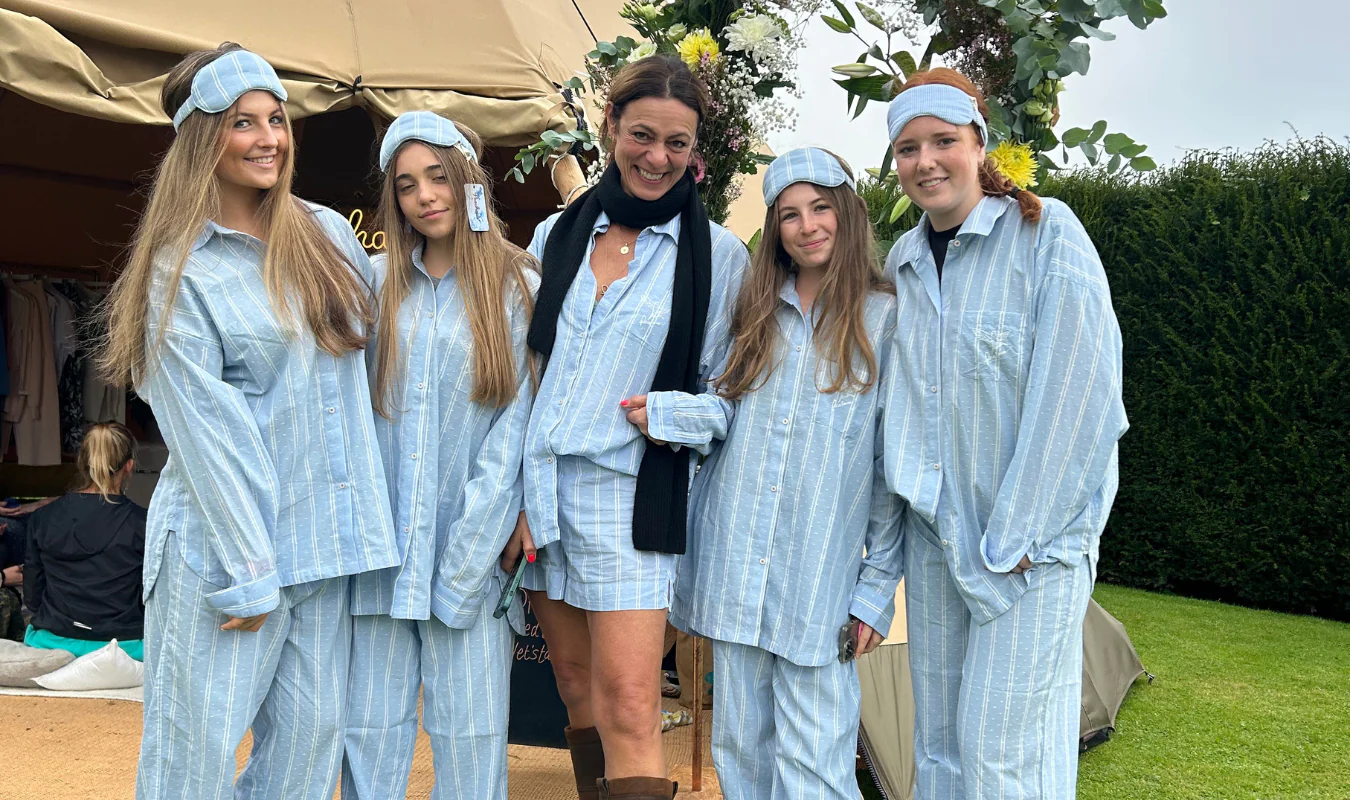
- Founder fashion executive Gillian Ridley Whittle
Whittle had worked at companies including Marks & Spencer, Topshop and Australian retail giant Myer, building the kind of career many in fashion dream about. Senior leadership roles. Global buying teams. High-pressure product cycles. Endless launches.
But somewhere inside the machinery of modern retail, she began questioning the system itself.
“I realised I was unhappy,” she said in an interview reflecting on her exit from corporate fashion and the creation of Peachaus. “I disliked the industry I thought I loved because it was flawed.”
That feeling, increasingly familiar across London’s startup and creative communities, became the catalyst for a new kind of company.
Founded in London after years of development between the UK and Australia, Peachaus launched publicly in 2022 as what Whittle described as “an antidote to the current fashion system.”
The name itself reflects the philosophy. “Peach” for softness. “Peace” for calm. “Haus” for community. “Aus” for the Australian spirit that shaped its early concept.
But Peachaus is not simply another wellness-infused fashion label emerging from East London co-working culture.
Its ambitions sit at the intersection of fashion, women’s health and workplace wellbeing, three sectors increasingly converging across London’s modern business landscape.
Bringing breast health education into workplaces
The company’s latest evolution focuses on bringing bra fitting and breast health education directly into workplaces, festivals and community spaces. The mission, according to the company, is to fit one million women by 2030.
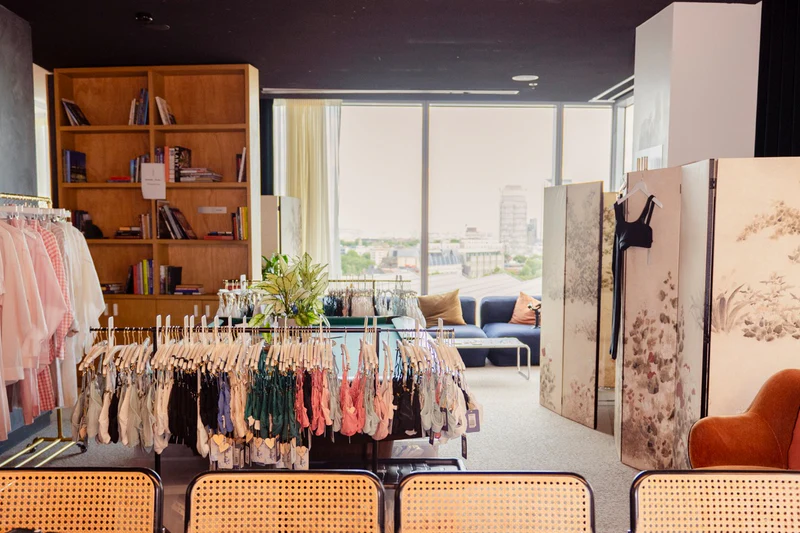
- Credit (Supplied)
In an era where corporate wellbeing budgets increasingly include mental health support, ergonomic workspaces and flexible working, Peachaus argues there is still a neglected conversation around women’s physical comfort.
“For too long women have lived with bras that cause discomfort and even serious health issues, without realising it,” the company states.
That message has resonated with investors and retail veterans alike.
Former Michael Kors executive Cedric Wilmotte became an early business partner, while former Matalan CEO Angus Monro later invested in the company as it expanded its workplace wellbeing model.
Yet perhaps Peachaus reflects something larger happening inside London business culture itself.
Across the capital, a new generation of founders is moving away from the “growth at all costs” mentality that dominated the 2010s startup economy. Purpose, community and sustainability — once treated as branding exercises are increasingly becoming core business models.
London’s fashion sector in particular, has entered a period of identity crisis and reinvention. The collapse of fast-fashion certainty, changing consumer behaviour and post-pandemic reassessments of work and life have forced many industry leaders to confront uncomfortable questions about consumption and burnout.
Peachaus leans directly into that tension.
The company rejects seasonal fashion cycles, promotes slower production methods and openly critiques overconsumption. “Buy less, buy better,” the brand declares in its manifesto.
Its messaging often sounds closer to a cultural movement than a retail business.
“This isn’t just a culture,” the company writes. “It’s a commitment to doing things differently.”
That language may once have sounded niche. In modern London business circles, it increasingly sounds mainstream.
From sustainable beauty startups in Shoreditch to wellbeing-focused coworking brands in Soho, the capital’s entrepreneurial identity is shifting toward businesses that blend commerce with community and social purpose.
Peachaus sits squarely within that new London economy: commercially ambitious, emotionally literate and openly values-driven.
Whether that model can scale in a difficult retail climate remains the challenge.
But in a city where so many brands compete for attention through noise, Peachaus is betting on something else entirely:
Comfort. Connection. And the idea that softness itself might become a form of disruption.
Feature Image by freepik







