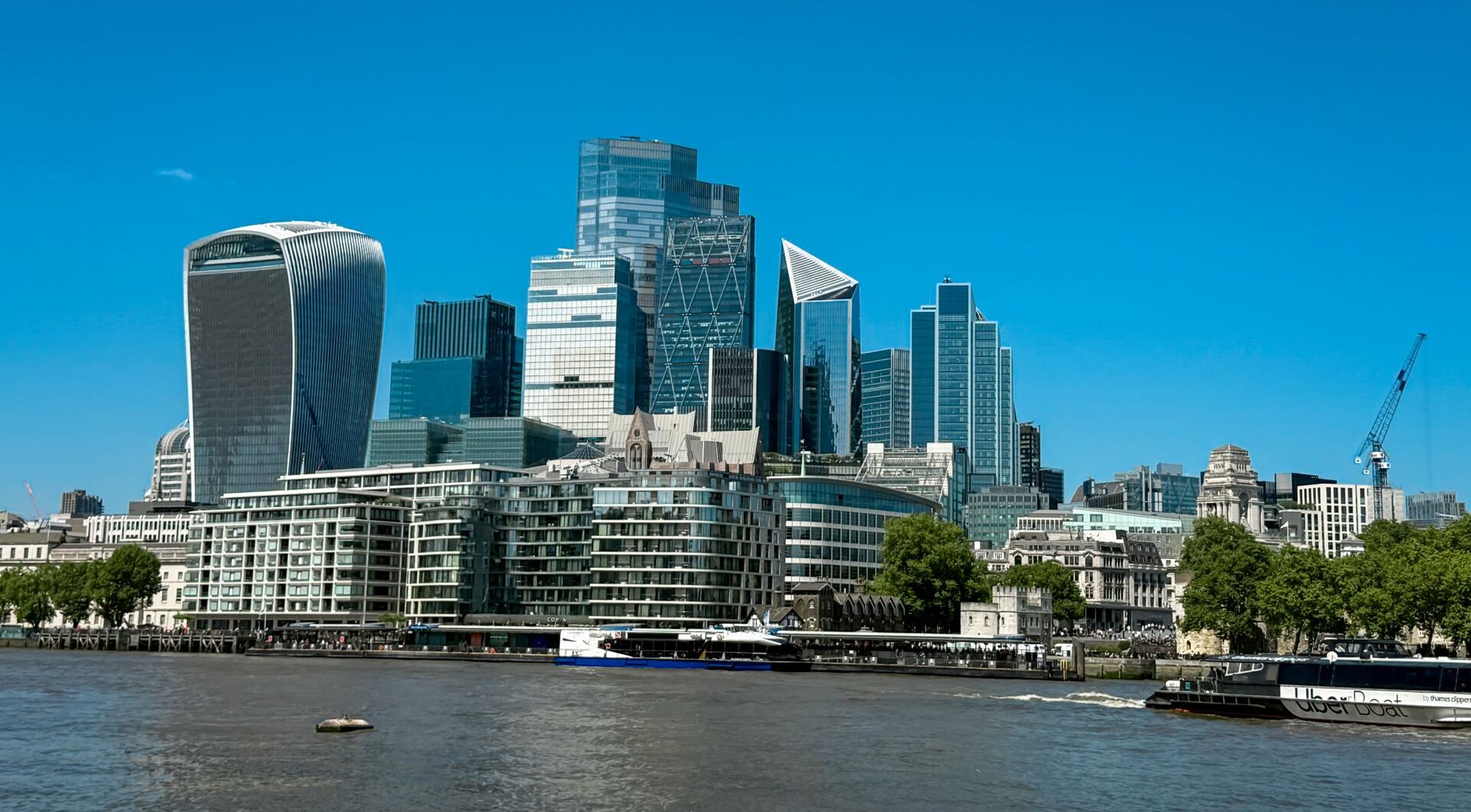

Every office move looks straightforward on a spreadsheet until the removal van misses its loading slot, the new phone lines aren’t working, and staff arrive on Monday with nowhere to work. London’s commercial property cycle moves fast, but most businesses still treat relocation as a logistics problem rather than a planning one, and that mismatch is where moves go over time and over budget. Signing a short-term desk is one thing; committing to a full private office is another. The fit-out, the dilapidation clauses on the old lease, the notice period on the new one: these details decide whether a move costs a disrupted week or a disrupted quarter. Firms weighing that step against another short lease renewal routinely underestimate how much lead time the switch needs, especially once legal review and sign-off are added to the schedule.
The timeline nobody budgets for
Commercial landlords in London typically expect three months’ formal notice before a lease break, yet most internal moving teams start planning at best six weeks out. That gap is backward. Cabling, furniture lead times, and building access permissions for out-of-hours fit-out work can each eat two to three weeks, and they rarely run in parallel without someone actively managing the sequence. Booking a dedicated removal company early matters more than most finance directors assume. The reliable central London crews fill their diaries fast during the traditional quarter-end relocation peaks, and a late booking usually means a weekend slot nobody wanted, with staff back at desks on Monday regardless of whether the server room is actually connected.
Costs that never make it onto the lease quote
The headline rent figure hides the real bill. Business rates reassessment, IT recabling, new signage permissions and updated insurance notifications all land after the lease is signed, not before. Employers also carry a continuing duty of care during the move itself, covering manual handling and site access, a responsibility the Health and Safety Executive sets out clearly for any workplace relocation, however small the premises involved.
Staff disruption is the cost line finance teams consistently miss. Change of this kind unsettles routine and output for longer than the move weekend itself, something workplace researchers at the CIPD have flagged repeatedly when studying organisational change. A clear internal communication plan, set weeks ahead, shortens that dip considerably and keeps frustration from spilling into client-facing work.
Serviced, managed or traditional: what actually fits
The right structure depends less on headcount than on how often the business expects to change shape over the next two years. A team mid-fundraise behaves very differently from one settled into a five-year growth plan, and the lease should reflect that rather than whatever space happened to be available at short notice.
| Option | Typical notice period | Fit-out control | Cost predictability |
| Serviced desk | 1 month | Minimal | High |
| Managed private office | 3 to 6 months | Moderate to high | Moderate |
| Traditional lease | 6 to 12 months | Full | Low early, high later |
Businesses comparing these routes in more detail can see how terms and service levels differ when renting office space in London, especially when short-term flexibility matters more than long-term cost. Hybrid working has pushed more companies toward shorter, more flexible agreements, and landlords have adjusted terms accordingly rather than lose tenants altogether. The businesses that handle the next move well treat the lease decision and the physical logistics as one coordinated plan, not two separate projects running on different clocks and deadlines.
FAQs
How far in advance should a business plan an office move in London?
Ideally, businesses should start planning three to six months before their intended move date. This allows time to review lease obligations, secure new premises, arrange IT infrastructure and book removal services. Larger offices or those requiring extensive fit-outs may need longer.
Feature image by Prajwol Ghemosu on Pexels