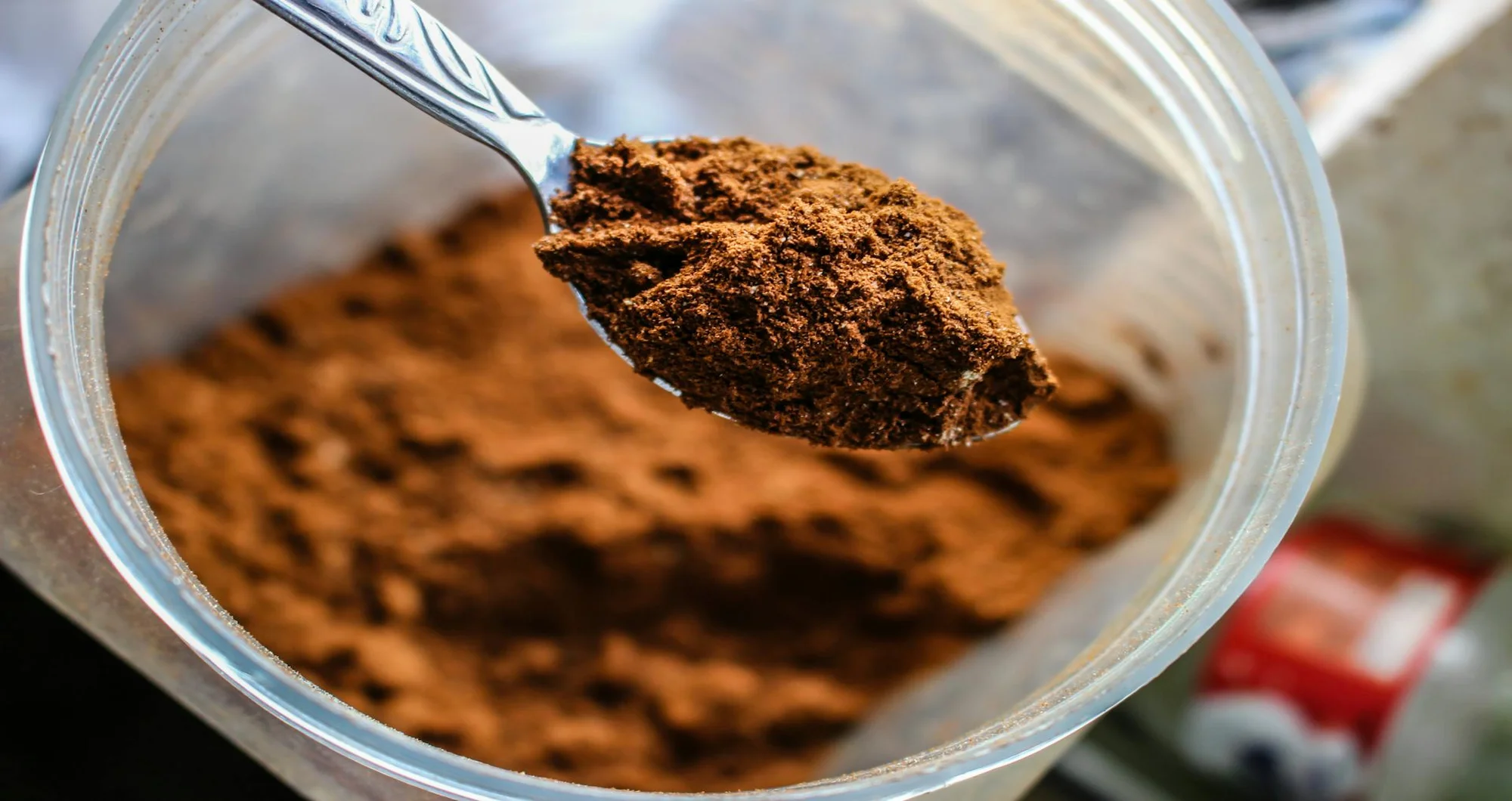

As more people embrace a health-conscious lifestyle, the demand for nutritious and sustainable food options has skyrocketed. One trend that has gained significant traction in recent years is the use of plant-based protein powders. These powders offer a convenient and effective way to supplement your diet with high-quality protein, essential for building and repairing tissues, maintaining a healthy immune system, and supporting overall well-being.
In this article, we’ll dive into the world of plant-based protein powders, exploring their benefits, types, and how to incorporate them into your daily routine.
Whether you’re a fitness enthusiast, a vegan, or simply looking to boost your protein intake, this guide will provide valuable insights to help you make informed choices.
The Rise of Plant-Based Protein
Shifting Consumer Preferences
In recent years, there has been a significant shift in consumer preferences towards plant-based diets. People are becoming increasingly aware of the environmental impact of animal agriculture and the potential health benefits associated with consuming more plant-based foods. This shift has led to a surge in demand for plant-based alternatives, including protein powders.
Health and Environmental Benefits
Plant-based protein powders offer several advantages over their animal-derived counterparts. They are typically lower in saturated fat and cholesterol, making them a heart-healthy choice. Additionally, plant-based proteins are often easier to digest, reducing the likelihood of gastrointestinal discomfort.
From an environmental perspective, plant-based protein production has a lower carbon footprint compared to animal-based sources. It requires less land, water, and energy, making it a more sustainable option for those concerned about the planet’s well-being.
Types of Plant-Based Protein Powders
Pea Protein
Pea protein is derived from yellow peas and is a popular choice among plant-based protein powders. It is highly digestible, hypoallergenic, and contains all nine essential amino acids, making it a complete protein source. Pea protein is also rich in branched-chain amino acids (BCAAs), which are crucial for muscle growth and recovery.
Hemp Protein
Hemp protein is obtained from hemp seeds and is known for its nutty flavour and creamy texture. It is an excellent source of omega-3 and omega-6 fatty acids, which are essential for heart health and brain function. Hemp protein is also rich in fibre, aiding in digestion and promoting feelings of fullness.
Brown Rice Protein
Brown rice protein is extracted from brown rice and is a hypoallergenic option for those with sensitivities to other plant-based proteins. It is easily digestible and provides a steady release of energy, making it an ideal choice for pre- or post-workout nutrition.
Soy Protein
Soy protein is derived from soybeans and is one of the few plant-based proteins that contains all essential amino acids in adequate amounts. It has been shown to support muscle growth and recovery, making it a popular choice among athletes and fitness enthusiasts.
Incorporating Plant-Based Protein Powders into Your Diet
Smoothies and Shakes
One of the easiest ways to incorporate plant-based protein powders into your diet is by adding them to smoothies and shakes. Simply blend your favourite protein powder with fruits, vegetables, and your choice of plant-based milk for a nutritious and delicious meal or snack.
Green Protein Smoothie
- 1 scoop of plant-based protein powder
- 1 cup spinach
- 1 frozen banana
- 1 cup almond milk
- 1 tbsp chia seeds
Blend all ingredients until smooth and enjoy!
Baked Goods
Plant-based protein powders can also be used in baking to boost the protein content of your favourite treats. Replace a portion of the flour in recipes for muffins, pancakes, or cookies with protein powder for a healthier twist.
Protein-Packed Banana Bread
- 1 cup whole wheat flour
- 1 scoop of plant-based protein powder
- 1 tsp baking soda
- 1/2 tsp salt
- 3 ripe bananas, mashed
- 1/4 cup maple syrup
- 1/4 cup coconut oil, melted
Mix dry ingredients in one bowl and wet ingredients in another. Combine and bake at 350°F for 45-50 minutes.
Oatmeal and Porridge
Elevate your morning oatmeal or porridge by stirring in a scoop of plant-based protein powder. This simple addition will keep you feeling full and energised throughout the morning.
Protein-Boosted Overnight Oats
- 1/2 cup rolled oats
- 1 scoop of plant-based protein powder
- 1 cup plant-based milk
- 1 tbsp chia seeds
- 1 tsp cinnamon
- Fresh berries for topping
Mix all ingredients in a jar, refrigerate overnight, and top with fresh berries in the morning.
Choosing the Right Plant-Based Protein Powder
When selecting a plant-based protein powder, consider factors such as protein content, ingredient quality, and taste preferences. Look for powders that provide at least 20 grams of protein per serving and are made from high-quality, organic ingredients.
One excellent option is the protein powder plant based. This powder is crafted from premium plant-based sources and offers a delicious way to boost your protein intake.
Conclusion
Plant-based protein powders have emerged as a game-changer in the world of nutrition, offering a convenient and effective way to support your health and fitness goals. By understanding the benefits and types of plant-based proteins available, you can make informed choices that align with your dietary preferences and lifestyle.
Remember, while protein powders can be a valuable addition to your diet, they should not replace whole food sources of protein. Aim to consume a balanced diet rich in fruits, vegetables, whole grains, and legumes, and use plant-based protein powders as a complementary tool to help you reach your nutritional targets.
As you embark on your journey towards better health and well-being, consider incorporating plant-based protein powders into your daily routine. With a wide range of options available, you’re sure to find a powder that suits your taste buds and fuels your active lifestyle.