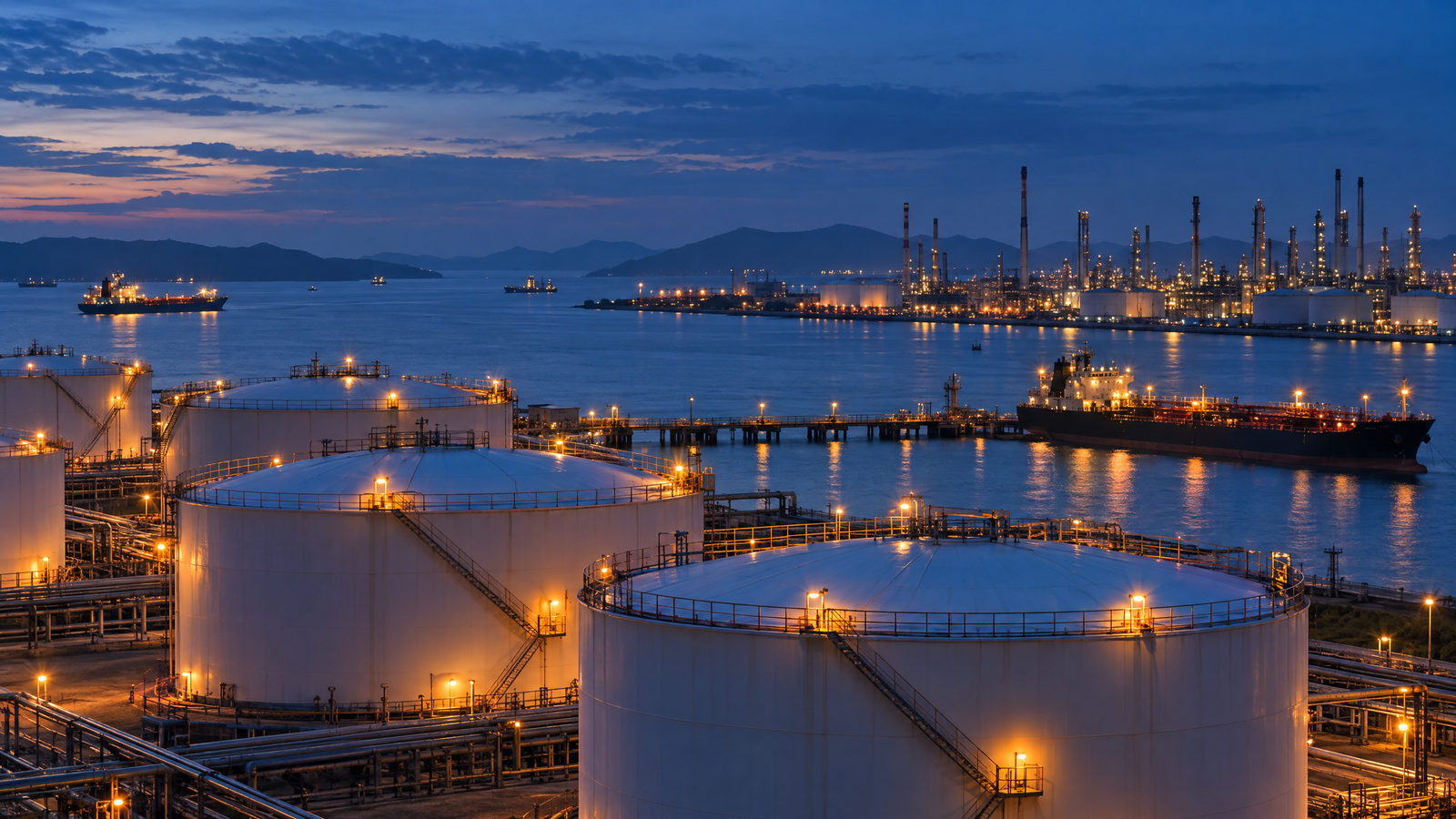

Leaders of the G7 have agreed a coordinated release of 100 million barrels from emergency oil stocks, to begin immediately over four months, with a substantial diesel release planned within the first 20 days. The decision followed a virtual meeting on 2 October held amid severe oil-market volatility. It is a commitment to make stocks available through a coordinated process, rather than evidence that the whole volume has already reached fuel markets.
What the agreement covers
The 100-million-barrel release is to be coordinated through the International Energy Agency. The leaders said it takes account of commitments already fulfilled under arrangements made earlier in the year. They did not publish a country-by-country allocation, a precise split between crude oil and refined products, or a timetable beyond the immediate start, the four-month period and the early diesel focus.
The first 20 days are therefore the key initial test. G7 members and partners are expected to front-load a substantial amount of diesel, while the leaders will meet in the International Energy Agency context in coming days to consider whether further diesel releases are needed. The statement gives no automatic trigger for an additional release.
Why diesel is singled out
The leaders identified continuing pressure in the diesel market and paired the stock action with measures aimed at refinery output. They said G7 countries would coordinate refinery maintenance schedules to avoid simultaneous shutdowns and would seek, where feasible, temporarily higher utilisation. They also encouraged engagement with countries that have significant refining capacity to increase global production of refined products, particularly diesel.
Those steps are designed to support near-term fuel availability, but they are not a guarantee of any particular retail price or of an immediate reduction in household or business costs. The announcement does not set a price target, identify volumes from individual national reserves or say how much diesel will be released by each participant.
How it relates to the March action
In March, International Energy Agency member countries agreed to make 400 million barrels available from emergency reserves amid Middle East supply disruption. That was described as the largest collective oil-stock release in the agency’s history. The new G7 language explicitly refers to the March commitments and to volumes already fulfilled, but does not state whether the 100 million barrels are entirely additional to that earlier action or represent remaining commitments within it.
That distinction matters when assessing the scale of extra supply now being promised. The latest statement sets a fresh four-month release plan and a 20-day diesel priority, yet leaves the relationship between the headline total and the earlier collective action unspecified. It should therefore not be read as a confirmed country-level drawdown or as a final accounting of the March programme.
Trade, shipping and monitoring
Alongside the release, G7 leaders pledged not to impose export restrictions on energy and energy products between their countries, and called on other producers not to introduce bans that could intensify market tensions. They also condemned what they described as Iran’s attacks on regional neighbours and disruption to international trade and energy security, and called for navigational rights in the Strait of Hormuz to be restored. The statement said sanctions on Russia would remain in place.
The International Energy Agency has been asked to monitor the impact on energy security and market stability, as well as implementation of the commitments. A follow-up report is due before 20 days, with recommendations that may include how stocks should be replenished. Until allocations, actual drawdowns and the report are published, the announcement remains a coordinated policy response whose practical scale and market effect will need to be measured rather than assumed.