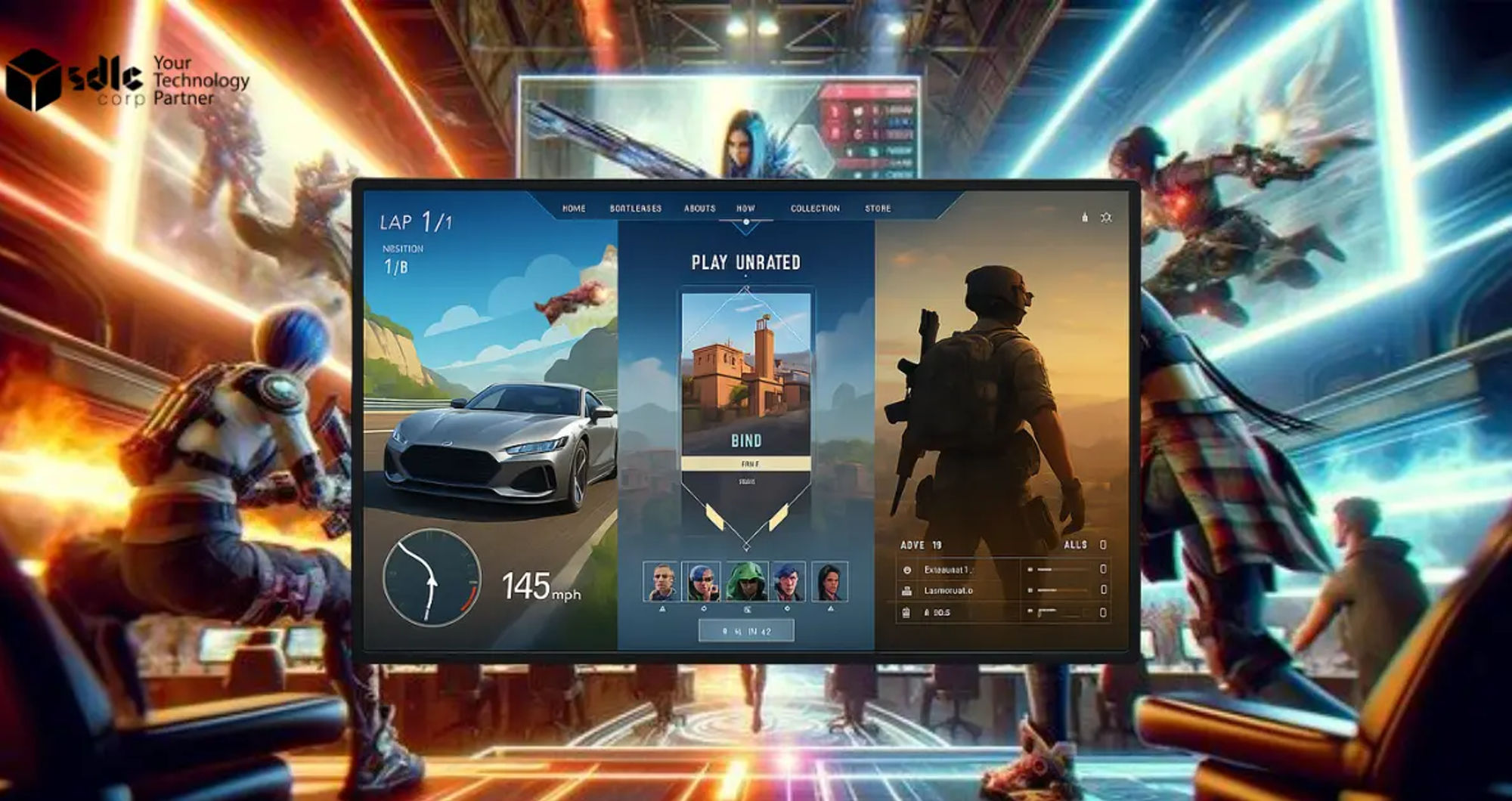

Gaming has become part of daily life in London. It shapes how people spend time, connect, and move through digital worlds. The same ideas that guide the best platforms online now influence the city’s real gaming spaces. As players search for new places to meet and play, London continues to grow as a hub where design, culture, and modern entertainment blend.
The Shift Toward Game-Driven Design
Digital experiences today borrow heavily from gaming. People want instant access, smooth movement, and clear paths through every screen. Platforms rise or fall in that first moment. If the interface drags, interest fades. Because of this, developers work hard to keep every page fast and simple. The user should feel at ease the second they arrive.
Key UX lessons shaped by gaming platforms:
- Fast loading that keeps people from drifting away
- Clean layouts that cut visual noise
- Icons that explain themselves without effort
- Menus that appear right where people expect them
- Micro-details that feel responsive, warm, and alive
As these standards spread, they reshape how Londoners expect digital platforms to behave. They also shape what people want in physical gaming spaces.
The Rise of Top Gaming Spots in London
Interest in gaming across the city has grown fast. People want more than solo play at home. They look for venues where screens mix with real conversation. These halls and lounges now draw players from every corner of the capital. Each space offers its own flavour, from retro machines to VR worlds.
Below is a breakdown of the most popular spots across London’s gaming scene.
NQ64 Soho — Bright Lights and Pure Energy
NQ64 stands loud in the West End. The colours flash. The sound fills the room. It brings together players who want quick action and a lively night. Retro consoles line the walls. Modern titles sit close by. Many Londoners drop in after work for a hit of nostalgia.
What makes NQ64 stand out:
- Retro arcade machines from classic eras
- Modern consoles for group battles
- Strong social atmosphere
- Drinks and music are woven into the play experience
- A layout that keeps movement smooth
This mix of style and clarity mirrors the best UX design. Every screen sits where players look first. Every machine is easy to reach. The simplicity makes people stay.
Four Quarters Peckham — A Home for Retro Fans
Four Quarters has built its name on restored classics. Peckham’s location is a favourite. Machines from the 1970s and onward sit in long rows, each polished and ready. The bar adds a steady stream of themed drinks. Players who love old-school games often call it their second home.
Notable details:
- Authentic machines rebuilt with care
- Retro visuals that create a warm mood
- Board games for slower nights
- A steady layout that avoids clutter
- Clear signposting for machines and sections
Its appeal sits in its charm. Yet behind that charm is serious design. The venue keeps navigation simple. People know where to go. It feels welcoming, not overwhelming.
Platform Shoreditch — A Space Built for eSports
The platform brings the competitive edge. It’s built for players who want structured sessions, team games, or themed events. The station-side location makes it easy to reach. The setup supports all skill levels. Even newcomers feel at ease as they pick up a controller.
Key strengths:
- Pro-level consoles ready for fast play
- Smooth seating plans that support team formats
- Themed event days with food and drink
- Clear equipment arrangement
- Lighting tuned for competitive focus
This level of planning mirrors the logic of digital game UX. Everything supports action. Everything stays clean. Nothing gets in the way.
Babylon Park Camden — VR, Motion, and Play
Babylon Park stretches across two large floors. It blends VR tech with arcade games and motion simulators. Some visit the drop tower. Others come for the rollercoaster rigs. Yet the space still holds a long line of traditional arcade cabinets, giving players a balance of new and old.
Highlights:
- Wide VR selection
- Full-room simulators
- Clear staffing for safe VR sessions
- Over 100 arcade machines
- A flowing layout that avoids crowding
Players trust the space because it stays stable and well-managed. That sense of trust connects back to digital UX standards. People want to know the system respects their time, data, and safety—online or offline.
Plonk Hackney — Retro Meets Casual Play
Plonk is known for its creative indoor golf setups, yet its Hackney venue also holds a strong arcade collection. Pinball machines line the walls. Board games fill the tables. Drinks flow from the bar. Everything feels relaxed, giving people time to slow down.
Player favourites:
- Pinball machines with smooth maintenance
- Group games that support social nights
- A retro-heavy lineup
- Food and drinks are served close to the play area
- Easy navigation across all sections
Its charm lies in its simplicity. The space avoids clutter and uses clear cues. It feels like a laid-back extension of home.
The King’s Arms London Bridge — A Quiet Shift Toward Board Play
Not everyone wants screens. Some seek slower nights with deep conversations. The Kings Arms serves that crowd. Its board game collection draws all types. People who grew up with tabletop titles sit beside newcomers who want a break from digital noise.
Why players choose this spot:
- Strong board game selection
- Calm setting for groups
- Good evening lighting
- Warm and traditional atmosphere
- Clear table layouts that avoid crowding
Even a simple board game venue teaches lessons about design. Clear space. Warm tone. Predictable layout. All these shape how players feel.
How These Gaming Spots Reflect Modern UX Design
The strongest gaming venues follow the same principles that guide the best digital platforms. They earn attention quickly. They show people where to go. They keep layouts light. They offer personal touches without shouting for attention.
Shared design traits across London’s gaming scene:
- Smooth flow between spaces
- Clear labels and visual guidance
- Responsive staff and systems
- Balanced sound levels
- Logical placement of machines
- Trust-building upkeep
- Consistent mood across the venue
These ideas echo the standards used by any skilled game development company. Players expect steady performance. They expect stable systems. They expect clarity. Because of this, businesses need strong partners who know how to build these experiences with care.
The Push for Professional Game Development Expertise
As demand rises, companies turn toward studios with technical depth. These teams understand engines, cross-platform builds, and player psychology. They help shape products for VR, mobile, PC, and console. They also support brands that want to use games for training, marketing, and education.
Many businesses now also look toward experts in planning and strategy. A skilled Game Consulting Company guides early decisions. They help teams avoid costly mistakes. They also support long-term scaling, monetisation, and performance goals.
How Gaming Culture Shapes UX Expectations Everywhere
London’s gaming spaces show how people now expect digital systems to behave. These venues reflect what players want from online platforms: speed, clarity, flow, and trust. Even simple interactions — like a smooth menu scroll or a quick login — shape how users judge a product. The best gaming spots understand this. They make every moment feel steady and responsive.
UX traits shaped by gaming culture:
- Fast reactions across every touchpoint
- Easy navigation through busy layouts
- Consistent tone that avoids confusion
- Space for both social and solo play
- Clean visual hierarchy
- Subtle motion cues that guide attention
- Layouts that support repeat visits
These traits now guide modern design across industries. The shift is strong, and London sits right at the centre of it.
Digital Standards Built on Real-World Play
When players walk into a gaming venue, they expect it to “just work.” That expectation carries into digital life. If an app fails to load fast enough, they leave. If a website hides key options behind odd menus, they drop off. People want clarity, not confusion.
London’s gaming spaces reinforce those expectations. Every machine, table, and VR station must sit in the right place. Every screen must stand ready for use. The design is invisible, yet it holds the entire experience together.
Elements these spaces share with top digital platforms:
- Straight paths that cut down wasted time
- Strong visual signals to show direction
- Predictable placement of tools
- Clear start points for new users
- Smooth transitions between activities
- Logical clusters of content and features
This level of care mirrors the work of any skilled game development company. Precision builds trust. Trust keeps users engaged.
The Technology Behind Modern Game Experiences
Game creation today relies on solid engineering. Engines like Unity or Unreal shape worlds that feel stable. Real-time rendering keeps movement clear. Network architecture supports multiplayer events. VR systems demand high frame rates and tight tracking. Each piece works to keep the experience sharp.
These elements show up in London’s gaming scene too. Venues rely on fast machines, tuned screens, and clean networking. When the tech works, players stay longer. When it fails, people leave. Because of this, even physical venues follow digital-level standards.
Core technical factors driving modern gaming:
- Real-time physics that respond instantly
- High-refresh displays for smooth motion
- Sound design that guides awareness
- Network setups with low latency
- Scalable systems for events or busy nights
- Reliable hardware maintenance
- Software that updates without friction
Businesses studying these patterns soon see the value in expert support. Building games or digital platforms without guidance leads to gaps. This is where a seasoned Game Consulting Company becomes essential. Strong planning saves time. Smart pipelines save money. Clear technical direction keeps projects alive.
How UX Lessons Apply to Other Industries
Gaming teaches lessons that fit far beyond entertainment. Museums, education tools, travel apps, shopping platforms — all feel the shift. People want digital systems that behave with the same ease as their favourite games.
A quick example:
A visitor exploring an online gallery wants smooth visuals and clear paths. A traveller booking accommodation wants menus that respond instantly. A student using a learning app wants simple progress tracking. All of these echo gaming design.
Industries adopting gaming UX ideas:
- Travel and tourism
- Cultural platforms
- Local discovery guides
- Retail and shopping apps
- Training programs and simulations
- Social platforms
- News and entertainment media
In London, the link between the city’s gaming spots and its digital landscape continues to grow. People expect smooth flow everywhere they go — online or off.
The Social Side of Gaming Spaces
Beyond the screens, gaming spots build real communities. London’s venues thrive because they blend digital excitement with real conversation. People gather around retro machines. Groups form teams at eSports bars. Families try VR rides together. Even quiet board game nights spark new friendships.
Why these spaces attract loyal crowds:
- Shared play builds quick connections
- Regular events draw repeat visitors
- Familiar layouts reduce friction
- Clear seating supports group activity
- Staff guidance builds comfort
- The mix of old and new keeps interest high
These moments of human connection might seem simple, yet they mirror one of gaming’s biggest UX lessons: good design supports community.
Personalisation Without Pressure
Gaming platforms handle personalisation with subtlety. They remember favourites. They hold progress. They offer small cues that guide users back. London’s gaming spaces follow the same path. They offer small ways to shape the experience without overwhelming players.
This kind of design builds loyalty. People return when a space feels steady and familiar. It doesn’t need loud prompts. It only needs thoughtful choices.
Examples of subtle personal touches:
- Consistent lighting that sets a steady tone
- Machine placements that honour player habits
- Food and drink that match the venue’s theme
- Staff who guide newcomers without pressure
- Space to replay favourite titles
- Layouts that stay familiar across visits
These ideas feed into digital UX too. The more natural the experience, the stronger the bond.
Trust as the Cornerstone
Every strong gaming venue earns trust. Machines must work. Systems must stay safe. Staff must know how to help. When trust breaks, the experience collapses. Digital platforms face the same truth. Users want clear security, reliable logins, and honest communication.
Gaming spaces in London lean into this mindset. Clean maintenance, stable networks, safe VR setups, and clear rules help players feel protected. This trust flows into every interaction.
What builds trust in gaming or digital UX:
- Visible care and upkeep
- Clean interfaces
- Straightforward instructions
- Staff or support that responds fast
- Transparent notices about updates
- Smooth performance at all times
A strong game development company understands this. Trust is not decoration. It is the core of the system.
Why London’s Gaming Culture Shapes the Future of UX
London stands as a living example of gaming’s influence on modern design. Its venues show how digital ideas become physical spaces. They blend technology, mood, and human connection. People leave with expectations that travel into every app they use. Companies that understand this shift stand ahead. They build systems that feel natural from the first moment.
Businesses searching for support often turn toward professional studios. They need stable engineering, strong UX principles, and long-term strategic direction. With the help of a Game Consulting Company, they refine their plan before investing. With a skilled game development company, they bring that plan to life.
London’s gaming spots continue to grow. They show the city’s creative spirit. They also reveal the future of digital experience. As people explore these halls, bars, and VR worlds, they shape how design evolves everywhere else.
Boost your digital products with advanced gaming-driven UX built by SDLC Corp. Our expert teams design responsive, high-performance systems inspired by modern play spaces, helping you improve user flow, strengthen engagement, and deliver consistent experiences across every device. Connect with SDLC Corp’s game development and game consulting specialists to build scalable solutions that support growth, clarity, and long-term stability.