
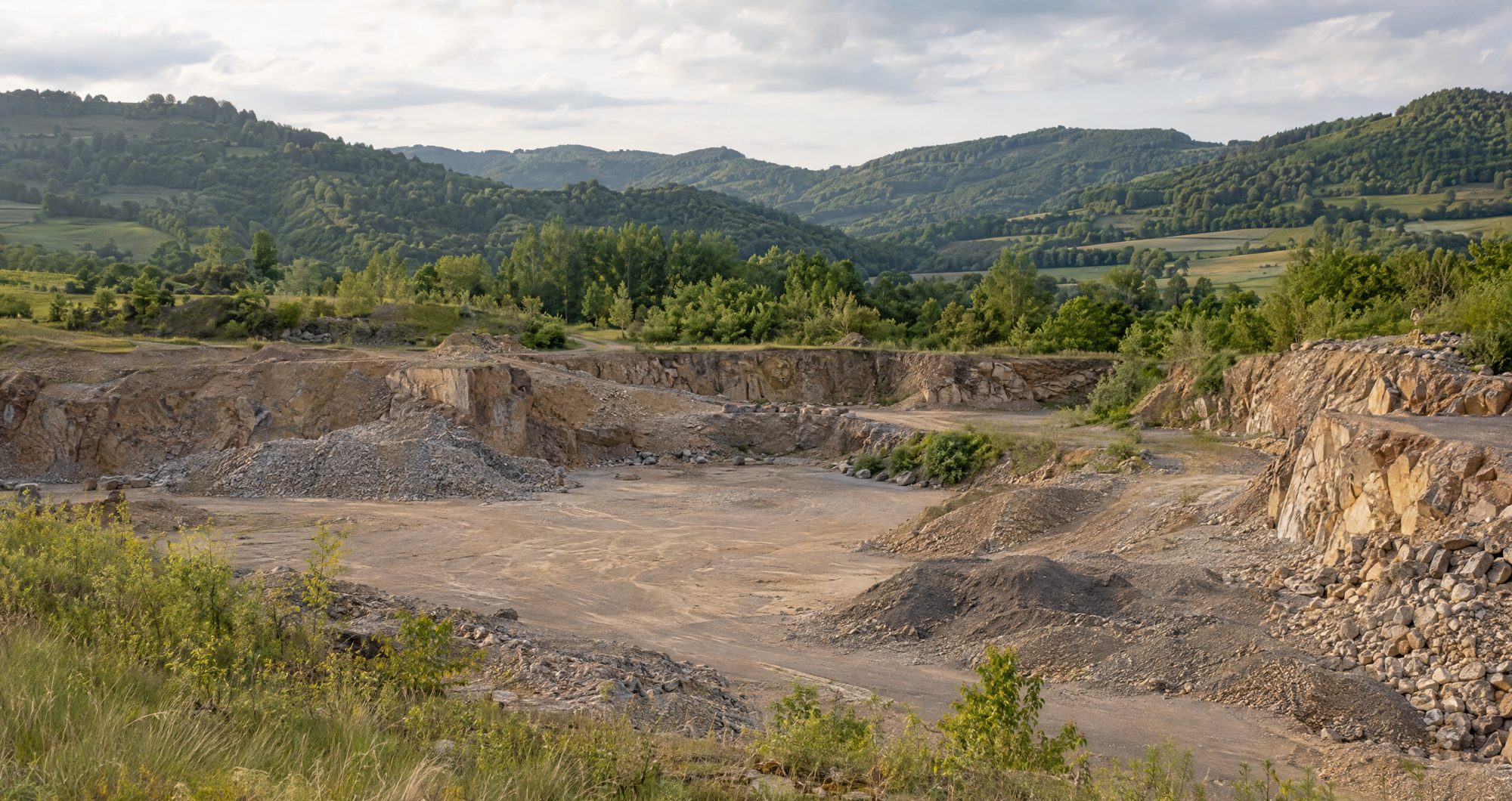

A Ghanaian opposition figure has called for an independent examination of deaths during an anti-illegal-mining operation in Manso Keniago, saying the circumstances surrounding each person’s death must be established rather than assumed.
Miracles Aboagye, the New Patriotic Party’s communications director, referred to six deaths after the 11 November confrontation between residents and personnel of the National Anti-Illegal Mining Operations Secretariat, known as NAIMOS. The number of people killed remains uncertain: the Lands Ministry has put the figure at four, while other accounts have reported different totals.
The ministry has said it has started an investigation. Its announcement did not identify an independent panel, set out terms of reference or give a deadline. A call for an independent inquiry is therefore not the same as confirmation that one has been appointed, and the ministry’s investigation should not be described as having reached a finding.
Conflicting accounts of the confrontation
The incident took place in the Amansie South District of the Ashanti Region as task force personnel were moving excavators seized during an operation. Accounts indicate that residents and traditional authorities objected to heavy machinery being driven through the community and wanted it carried on a low-bed trailer instead.
The task force says it encountered an armed group attempting to obstruct the movement of the equipment. Its spokesperson, Paa Kwesi Schandorf, said personnel fired warning shots and subsequently acted in self-defence. He initially reported three deaths and said two task force members had been injured.
Residents and traditional authorities have disputed the account of how the violence began. The community’s chief has said his people did not attack first. Community representatives also said the excavator had not been seized in Manso Keniago but was being moved through the town. The competing accounts do not establish who initiated the confrontation or whether force used in each instance was justified.
NAIMOS later said its two injured personnel had received treatment and been discharged. The Lands Ministry’s account referred to 15 people injured as well as four deaths. A separate account of a small-scale miners’ association’s response referred to five deaths and nearly 30 injuries. The different figures have not been reconciled, and none should be treated here as a confirmed final total.
Calls for individual scrutiny
In remarks on 14 November, Aboagye cautioned against treating everyone who died as an illegal miner or a participant in an attack. He said the possibility that some victims were not involved made it important to examine each death individually and to establish what happened through evidence.
He also urged civilians to avoid confronting armed personnel, while arguing that the state and its officers have a responsibility to protect people during enforcement operations. He questioned whether drone footage could be used to clarify the sequence of events. His remarks do not establish that footage exists or what any recording might show.
Calls for an independent investigation predate the opposition official’s intervention. A small-scale miners’ association issued a statement on 12 November asking for an impartial committee to examine the conduct of personnel involved. Another association has sought a review of NAIMOS operations and a meeting involving the government, the task force and miners.
Those requests concern the way the incident and future operations are handled; they are not findings that any individual acted unlawfully. Similarly, the task force’s account is an explanation offered by those involved, not an independent determination of self-defence.
The wider enforcement effort
The confrontation occurred during Ghana’s campaign against illegal mining, often known locally as galamsey. Earlier in November, the lands minister called for mining-affected local assemblies to establish or strengthen coordination mechanisms involving regulators, security agencies and community representatives.
At a conference in Kumasi on 2 November, the minister also said local assemblies should support enforcement with information, community engagement and follow-up monitoring. The proposal was a wider policy appeal made before the Manso Keniago confrontation, not an account of what happened there.
The immediate questions are narrower: how many people died or were injured, what happened to each person and what led to the use of force. The ministry has said it wants the circumstances established, but its investigation and the separate requests for an independent examination leave those questions open.







