
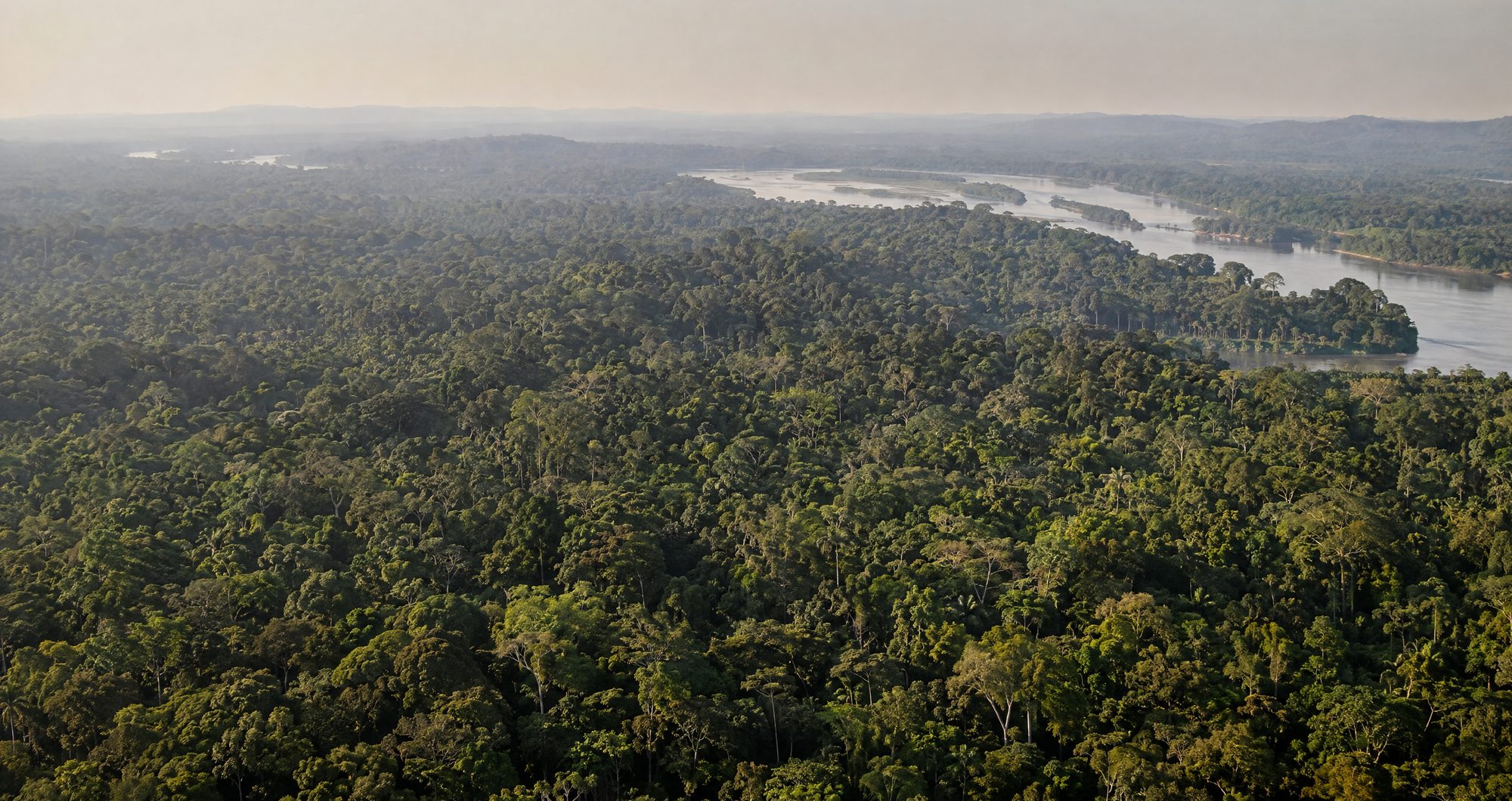

Brazil’s Pará state has declared a 180-day level-two emergency in areas affected by forest fires, adding a civil-defence response to a separate, state-wide environmental emergency introduced during severe drought.
The later decree, published on 13 November, covers fire-affected places identified by state civil defence assessments. It provides for firefighting operations and assistance to communities, including health care for people exposed to smoke and temporary shelter where needed.
It follows a 120-day environmental and climate emergency covering the whole state. That measure restricts the use of fire and allows firefighting teams to be moved to municipalities named in the decree. The two declarations have different geographical scopes and durations; the later one does not simply extend the earlier 120-day period.
Two declarations, different purposes
The first decree was signed on 11 November and published on 12 November. It cites severe drought and an increased risk of forest fires associated with El Niño, the climate pattern linked to warming in the tropical Pacific. Dry vegetation can make it easier for fires to spread and put forests, communities and productive activities at risk.
The environmental emergency applies throughout Pará. During its term, the issuing of permissions to use fire is suspended across the state, subject to the decree’s exceptions. A more specific prohibition covers 31 listed municipalities, including Santarém, Uruará, Portel and Altamira.
In those municipalities, the prohibition covers burning to clear or prepare land, manage or renew pasture, dispose of plant waste and for other purposes, again subject to the exceptions. The difference between the state-wide measure and the restrictions in the listed municipalities is important: they are not described as an unconditional ban on every use of fire everywhere in Pará.
Exceptions include prevention, training and firefighting by competent public bodies. Prescribed burning expressly authorised by the environmental authority is also permitted when indispensable to prevent large forest fires. Approved scientific research and authorised plant pest or disease control, when technically indispensable, are covered too.
The decree also permits fire use for subsistence agriculture by Indigenous peoples, Quilombola and other traditional communities, and family farmers. The permitted uses must follow the applicable integrated fire-management rules. Breaches of the decree can lead to civil, administrative or criminal sanctions; the provision does not establish that any particular person has committed an offence.
Protection and assistance
The newer level-two declaration lasts 180 days from publication. It concerns areas affected by forest fires rather than automatically covering every part of the state. The classification takes account of damage and the need to supplement the resources available in affected localities.
Under state civil-defence coordination, public bodies may mobilise personnel, equipment, materials and logistical support. The planned work includes closer monitoring of heat detections, weather conditions and air quality, alongside efforts to stop fires spreading.
Officials may identify communities at risk and arrange preventive evacuations and temporary accommodation when necessary. The measures also provide for humanitarian assistance, psychosocial support and work to restore essential services. These are powers and planned responses, not confirmation that evacuations or shelter placements have occurred in every affected area.
The state can seek federal recognition of the emergency on the basis of documented damage and needs. Such recognition requires federal assessment and does not follow automatically from the state decree.
Teams moved towards affected areas
Thirty-five forest firefighters from other priority areas had been moved to the Santarém region to reinforce the response. The earlier decree allows volunteer forest firefighting teams to be moved temporarily to the 31 listed municipalities, even if they were originally selected to serve elsewhere.
Separate state and federal teams are coordinating their work. On 13 November, firefighters from other Brazilian states had arrived in Santarém and were organising to begin operations. That arrival is distinct from the permission to move the volunteer teams under the earlier decree.
Federal environmental operations in Pará involved 600 personnel, 85 vehicles and six helicopters, according to the details made public on 13 November. Defence aircraft were to be sent to add capacity. Those figures describe resources reported at that point; they should not be added to the 35-person reinforcement as though the groups were necessarily separate.
Thirty-four humanitarian assistance plans totalling 24 million Brazilian reais had also been approved. Approval of plans is not the same as confirmation that all the money has been spent or that every item of assistance has reached communities.







