
For many entrepreneurs, business growth is measured in familiar ways: more customers, increased revenue, a bigger social media following or another successful month.
But what if one of the most valuable things you could do for your business was something you weren’t being paid for at all?
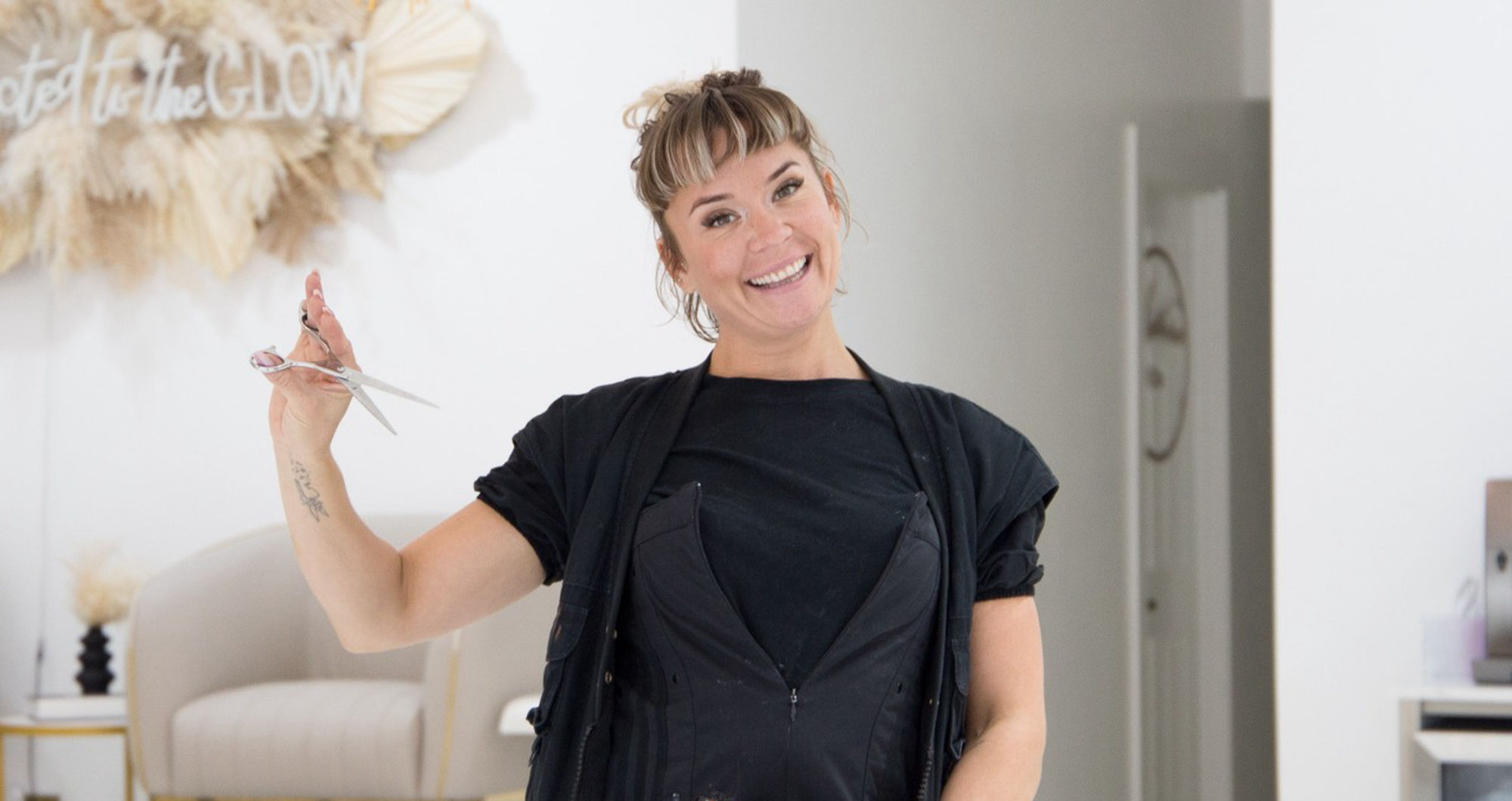
For Leicester hairdresser Rachael Sprigg, the woman behind Hair by Rach, giving her time and professional skills to charitable and community causes has become an increasingly important part of how she wants to run her business.
After almost 25 years in the hair industry, Rachael has built a skill people are prepared to pay for. She is also acutely aware that not everybody has the means to access it.
“I love giving back to the community because not everybody can afford to be pampered and made to feel good, even if it’s just for a little while,” she says.
That belief has increasingly taken Rachael out of the salon and into community events where the value of a haircut can be about considerably more than appearance.
While giving back isn’t something she does as a marketing exercise, her experience demonstrates an important lesson for other entrepreneurs: doing good and building a good business don’t have to be competing objectives.
Your skills have value beyond your customers
When business owners think about supporting a charity, the first thought is often money.
Can we sponsor something? Could we donate a percentage of sales? Is there room in the budget to give something away?
Small businesses often possess something equally valuable: expertise.
For Rachael, that’s almost 25 years of hairdressing knowledge.
This summer, she stepped in at short notice at Abbey Mela to cut hair for people donating to The Little Princess Trust, which provides real-hair wigs to children and young people experiencing hair loss.
One of those donors was Bella, whose hair Rachael cut for the cause.
The event, which also featured a performance from Britain’s Got Talent winners Rak-Su, allowed Rachael to contribute using something she already had: her professional skills.
“I absolutely adore doing anything I can for charities, especially when it comes to children and cancer,” Rachael says.
Other entrepreneurs can do the same in very different ways.
An accountant might offer financial guidance to a community organisation. A photographer could document a charity event. A marketing consultant might help a local cause reach more people. A tradesperson could donate a few hours to improve a community space.
Giving back doesn’t require a large corporate social responsibility budget.
Sometimes it simply requires asking: What am I already good at, and who could benefit from it?
People remember businesses that show up
Rachael has also volunteered at Leicester’s #LookGoodFeelGood initiative, using hairdressing to support people within her local community.
It was through the event that she properly got to know the late Jesse James, a much-loved member of Brotherhood Legion CIC with a strong commitment to helping others.
Although Rachael had known of Jesse through mutual connections, working alongside him allowed their friendship to develop.
Even with decades of experience behind her, Rachael remembers Jesse sharing his knowledge with her. He showed her how to create a wolf cut and helped her tackle the challenging job of working with severely matted hair.
“He was always helping,” she says. “He was just a beautiful soul. When he got going, he was fun, and he was just a really cool guy.”
Afterwards, the pair began discussing how they could take that work further.
They wanted to work together as stylists and provide haircuts for homeless people in Leicester on a more regular basis, taking the spirit of Look Good Feel Good beyond individual events.
Jesse sadly died before they had the opportunity to develop those plans together.
“I was absolutely gutted,” says Rachael. “I was really looking forward to working with him.
“He would want everyone to come together and continue. He’d want everyone to still do it, and I think he’d be happy knowing that we were carrying on.”
This year’s #LookGoodFeelGood, organised by Reiss Loftus of Brotherhood Legion CIC, will take place on 16 September at The Centre Project on Alfred Street in Leicester and will celebrate Jesse’s life.
Rachael will return to the event and is also planning further charity haircuts from November.
None of that started as a strategy for generating leads.
But there is a business lesson within it.
Community creates connection
Every time a business genuinely participates in its community, it creates relationships.
People meet the person behind the logo. Other organisations discover what they do. Conversations begin that would never have happened through an advert.
Most importantly, people begin to understand what that business stands for.
That kind of connection is difficult to manufacture through traditional marketing alone.
Reputation is built through actions
Modern entrepreneurs spend enormous amounts of time trying to communicate their values.
They write mission statements, create social media content and tell customers what their brands represent.
Those values become far more convincing when people can see them in action.
For Rachael, saying she believes hairdressing can improve somebody’s confidence is one thing. Giving her time to somebody who might otherwise struggle to access that experience demonstrates it.
“Doing somebody’s hair can make them feel amazing. It just brightens their day,” she explains.
“It’s the conversation and the human touch. Even something like a head massage can make somebody feel relaxed.”
That philosophy applies just as much to paying clients in her salon as it does to somebody receiving a free community haircut.
Consistency matters.
Giving back can make your business more visible
There is another benefit entrepreneurs shouldn’t be embarrassed to acknowledge: meaningful community work can create visibility.
Charity partnerships introduce businesses to new audiences. Community events create conversations and connections. Interesting projects create stories local media may want to tell. Participants share photographs and posts, while other businesses and organisations get to know the people involved.
That visibility can ultimately lead to customers.
There is nothing inherently wrong with that.
The important distinction is between doing something good purely because you want publicity and doing something good, then being willing to talk about it.
Small businesses shouldn’t feel they have to hide positive work for fear that mentioning it somehow diminishes the gesture.
Sharing it can encourage customers to support the cause. It can inspire another business owner to volunteer. It can introduce charities and community organisations to people with skills they desperately need.
It can also show prospective customers something traditional advertising often struggles to communicate: the character of the person they’re considering spending their money with.
Purpose and profit can coexist
Businesses need to make money.
Employees need paying, premises have costs, and goodwill doesn’t settle an electricity bill.
But profitability and purpose aren’t opposites.
For independent businesses in particular, the owner is often closely linked to the brand. Customers aren’t only deciding what to buy; increasingly, they’re also deciding who they want to buy it from.
Rachael’s community work isn’t replacing the commercial side of Hair by Rach. She still has a business to run and clients to serve.
Instead, it is becoming another expression of the kind of business she wants to build and the kind of person she wants to be within her community.
Nearly 25 years after beginning her career in hairdressing, Rachael’s skills have become valuable in ways that extend far beyond the salon chair.
And perhaps that’s the more useful question for entrepreneurs considering how their business could give back.
Not: “What can I get from supporting my community?”
But: “What can my business contribute?”
Because when businesses become genuinely useful to the communities around them, something interesting often happens in return.
Those communities remember them.