
As temperatures rise across the UK, many households have turned to portable air conditioning units to make bedrooms, living rooms and home offices more comfortable in the heat.
Unlike a simple cooling breeze, a portable air conditioner is designed to remove heat from the air and send it outside through an exhaust hose. However, to get the best results, it needs to be set up and used correctly.
If you were lucky enough to purchase one recently, online bathroom and heating retailer Plumbworld explains how to use your portable air conditioning unit properly, what common mistakes to avoid and how to help it work more efficiently during hot weather.
Choose the Right Room
Portable air conditioning units are usually designed to cool one room at a time. For the best results, use yours in the room where you need cooling most, such as a bedroom before sleep, a home office during the day or a living room in the evening.
Trying to cool several connected rooms at once can reduce performance. Keep internal doors closed so the unit can focus on cooling a smaller, enclosed space.
Vent the Hose Outside
The exhaust hose is one of the most important parts of a portable air conditioning unit. As the appliance removes heat from the room, that warm air needs somewhere to go.
The hose should always be vented outside through a window, door or suitable wall vent. If the hose is left inside the room, the unit may blow cool air from the front while releasing warm air back into the same space. This means the room will not cool properly and the appliance may waste energy.
Use the window kit supplied with your unit where possible, or consider a sealing kit if there are gaps around the hose.
Keep Windows and Doors Closed
Once the exhaust hose is in place, keep windows closed apart from the opening needed for the hose. Leaving a window wide open allows warm air to come straight back into the room, which makes the unit work harder.
Internal doors should also be kept closed while the air conditioner is running. This helps trap cooler air in the room and stops warm air from hallways, landings or other spaces entering the area you are trying to cool.
Keep the Hose Short and Straight
A portable air conditioner works best when warm air can leave the room easily. Try to keep the exhaust hose as short and straight as possible.
If the hose is stretched too far, bent sharply or kinked, it can make it harder for warm air to escape. This may reduce cooling performance and put extra strain on the unit.
Place the appliance close enough to the window or vent so the hose can reach comfortably without twisting.
Block Out Direct Sunlight
Direct sunlight can quickly heat a room, especially through large windows, patio doors or conservatory glass. During the hottest part of the day, keep curtains, blinds or shutters closed to reduce heat build-up.
This simple step can make a noticeable difference, as the air conditioner will not have to work as hard to bring the room temperature down.
Start Cooling Before the Room Gets Too Hot
It is usually easier to keep a room comfortable than it is to cool it down once it has become extremely hot.
During a heatwave, consider switching the unit on before the room reaches its warmest point. This can be especially useful in bedrooms, as walls, floors and furniture can hold heat long after the outdoor temperature has started to drop.
Clean the Filter Regularly
Most portable air conditioning units have a filter that collects dust and particles as air passes through the appliance. If the filter becomes clogged, airflow can be reduced and the unit may not cool as effectively.
Check the filter regularly during periods of frequent use and clean it according to the manufacturer’s instructions. This is a quick maintenance task that can help improve performance and extend the life of the appliance.
Avoid Adding Extra Heat
Everyday appliances can add more heat to a room. Ovens, hobs, tumble dryers, gaming PCs and large televisions can all make a space warmer.
Where possible, avoid using heat-producing appliances in the room you are trying to cool. This helps your portable air conditioner work more efficiently and keeps the room more comfortable.
Use Timers and Settings Wisely
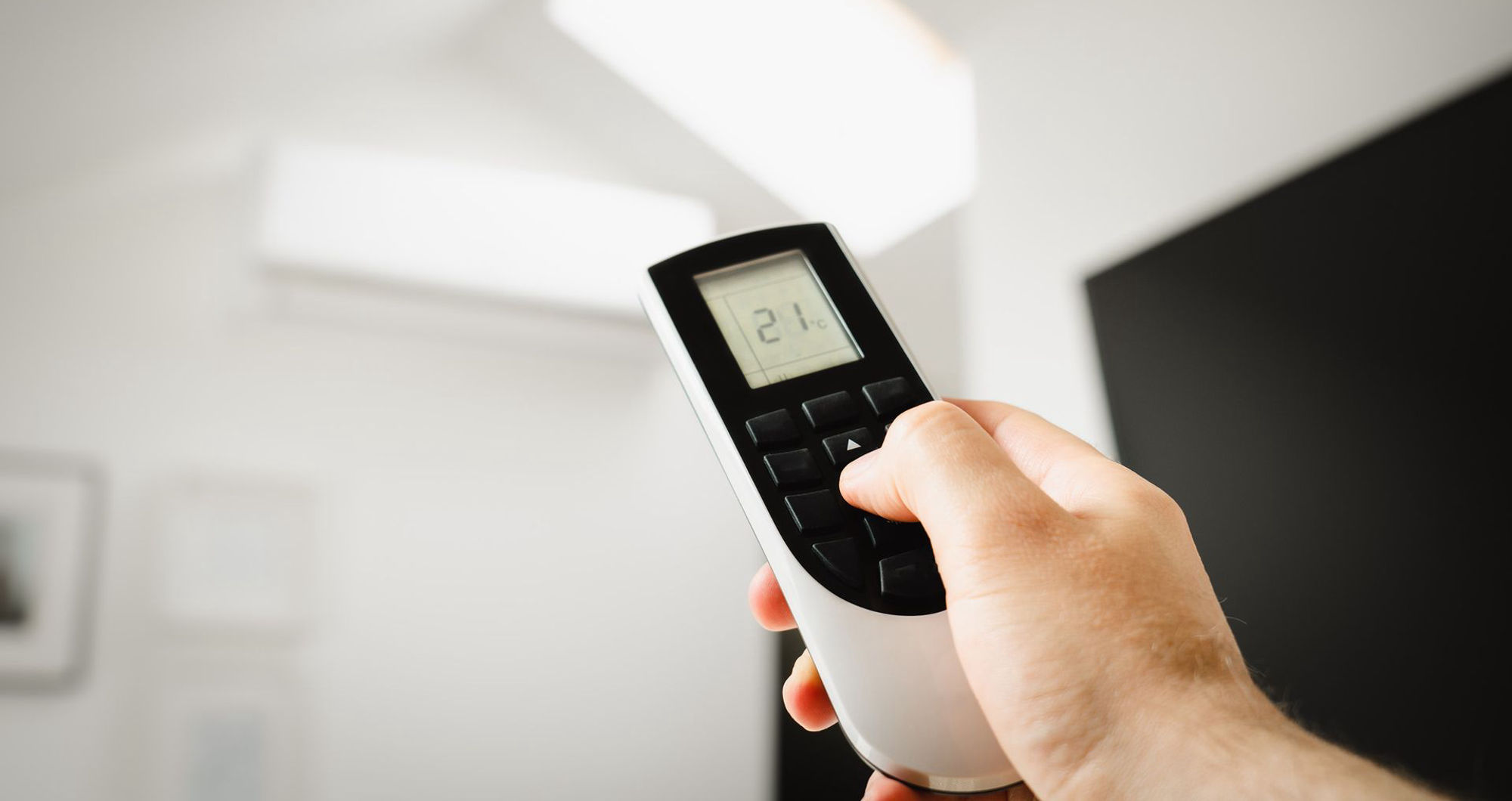
Portable air conditioning units can use a noticeable amount of energy, so it is worth using timers, sleep modes and temperature settings carefully.
Rather than setting the temperature very low and leaving the unit running constantly, choose a comfortable setting and allow the appliance to cycle as needed. You may also find it useful to cool a bedroom before going to sleep rather than running the unit all day.
Common Mistakes to Avoid
If your portable air conditioner is not cooling as well as expected, the issue may be the setup rather than the unit itself.
Common mistakes include leaving gaps around the exhaust hose, using the unit in a room that is too large, keeping internal doors open, forgetting to clean the filter or placing the appliance too far from the window.
Used properly, a portable air conditioning unit can make a real difference during hot weather. With the right setup, good airflow and a closed room, you can cool your space more effectively and stay more comfortable during a heatwave.