

US strikes continue into a tenth night
US forces have carried out strikes against targets in Iran for a tenth consecutive night, according to official statements. The sustained campaign has coincided with a sharp escalation of incidents across southern Iran and the wider Gulf, prompting concerns about the potential for broader regional confrontation and disruption to global shipping lanes.
Explosions reported across southern Iranian ports
Explosions have been reported near several coastal locations in southern Iran, including Sirik, Bandar Abbas, Qeshm Island, Chabahar and Konarak. Regional and local sources described blasts and smoke in the vicinity of key ports and islands that sit close to major shipping routes. The pattern of incidents has added to alarm among maritime observers and local populations about the safety of coastal infrastructure and navigation in the Strait of Hormuz and adjacent waters.
IRGC says it has retaliated against US assets in Gulf states
The Islamic Revolutionary Guard Corps (IRGC) has publicly claimed it carried out retaliatory attacks targeting US assets in Bahrain and Kuwait. Those claims have been presented by the IRGC as responses to the US strikes. Independent verification of the IRGC’s assertions is limited; officials and military sources on all sides continue to offer competing accounts of actions and intentions.
Maritime incidents and tanker fires raise commercial concerns
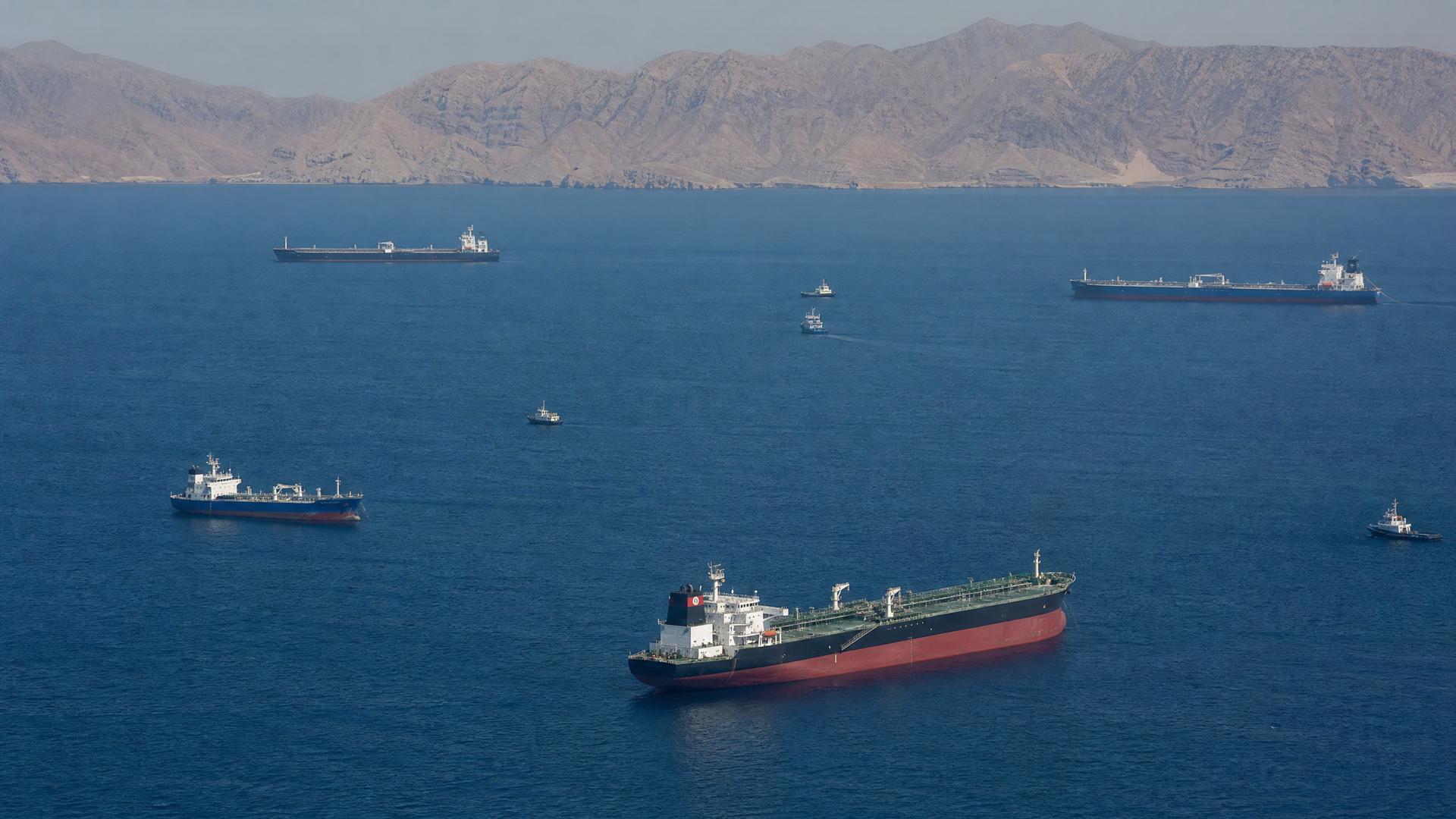
Industry reports indicate that “massive fires” broke out on two tankers in the Strait of Hormuz amid the recent exchanges. Maritime monitoring groups and shipping operators reported fires and damage consistent with strike or attack activity, though definitive causes remain under investigation. The Strait of Hormuz is a critical transit route for global energy supplies, and any damage to vessels or sustained closure of transit lanes would have immediate implications for energy markets and the global economy.
Iran asserts control over Strait transit procedures
Iranian authorities have reiterated that vessels must coordinate with Iran before transiting the Strait of Hormuz. Tehran presented the requirement as a safety measure and a matter of national security; critics say such demands risk politicising a vital international waterway and complicate lawful navigation. Remaining maritime operators have been urged by regional authorities and industry groups to exercise caution and to follow guidance from recognised maritime safety channels.
Support in Yemen for a Saudi naval blockade compounds tensions
Meanwhile, Houthi supporters in Yemen have expressed backing for a naval blockade of Saudi Arabia, signalling alignment among some regional actors with measures that could restrict maritime traffic and escalate confrontation. Statements of support from groups in Yemen underline how conflicts in the Gulf are intersecting with broader regional rivalries and proxy dynamics, increasing the complexity of any diplomatic effort to de-escalate the situation.
Regional and global implications
The convergence of nightly strikes, reported explosions near key Iranian ports, alleged strikes on US assets in neighbouring Gulf states, and fires on commercial tankers has produced an unusually volatile security environment. Analysts warn that continued escalation risks broader military entanglement and could translate into higher insurance premiums, rerouting of commercial shipping and upward pressure on energy prices. Governments and commercial stakeholders are watching developments closely and have emphasised the need for clarity and restraint, even as on-the-ground claims remain contested.
Outlook and uncertainties
With multiple actors issuing conflicting accounts and a dense web of military, political and economic interests at stake, the situation remains highly fluid. International maritime authorities and shipping operators are likely to maintain heightened alerts while diplomatic channels attempt to contain spillover. For now, the persistence of strikes and the scale of reported incidents underscore the fragility of security in the Gulf and the potential for localised events to have global consequences.







