
Six people have been killed after a shooting in the main market square of Kraków, and Poland has declared two days of national mourning.
The attack, carried out by a gunman in Kraków’s central square, resulted in the deaths of six people. Details about the assailant, victims, motive and precise timeline have not been supplied in the fact pack accompanying this report. In response to the killings, Polish authorities have announced a period of two days of mourning.
Immediate consequences and public reaction
The declaration of two days of national mourning signals the gravity with which the government has treated the incident. Such periods are commonly used to honour those who have lost their lives and to allow the nation time to grieve collectively. Public life, official ceremonies and flags at government buildings are typically affected during mourning, though the specific measures to be observed have not been detailed here.
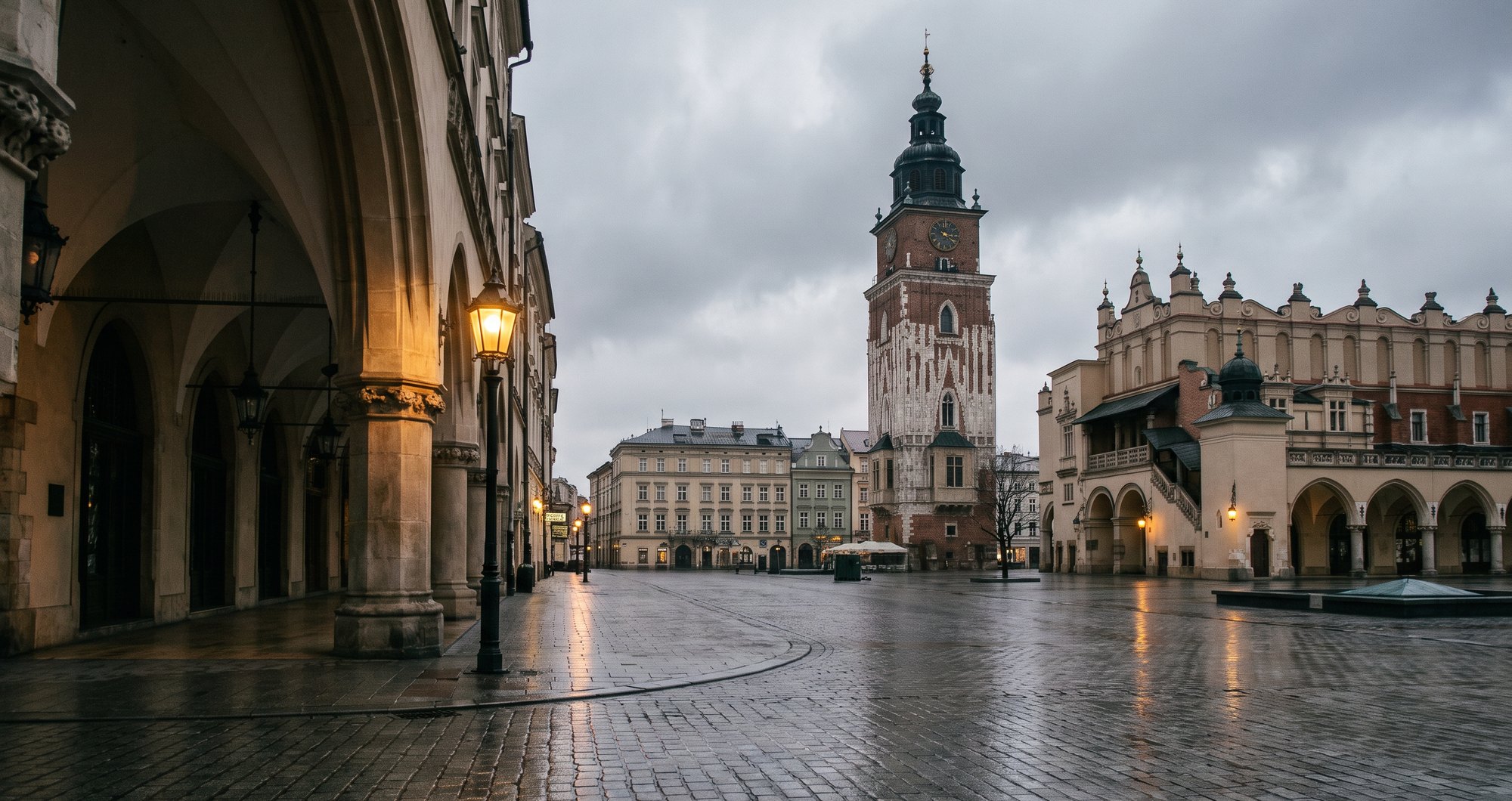
Incidents of this nature often have a profound psychological impact on local communities and on national consciousness more broadly. The location of the attack, the main square of Kraków, a focal point for both residents and visitors, is likely to intensify feelings of public shock and sorrow. Squares and other civic spaces are symbolic centres of urban life, and violence in such places commonly prompts reflection about safety, public order and the preservation of open communal space.
In the days following an event like this, ordinary routines may be disrupted for many people. Businesses close, planned cultural activities are often postponed, and people who live and work nearby may avoid the area for a time. Community organisations, religious institutions and local councils frequently organise vigils or moments of silence to mark the loss and to offer communal support, though no specific events have been cited here.
Questions that remain
At this stage, key questions remain unanswered. The identity of the gunman, the number of people injured and whether anyone has been detained have not been disclosed. Official statements, investigative updates and judicial processes will be required to establish the full circumstances and any possible criminal or other motives.
Investigations of this sort typically involve multiple agencies and take time to complete. Forensic work, witness interviews and the gathering of electronic evidence can extend over days or weeks; prosecutors and courts may then consider charges if sufficient evidence is found. Meanwhile, authorities will need to balance the urgency of providing information with the requirements of a careful and lawful inquiry.
Authorities will also be expected to outline any immediate practical responses, such as changes to policing or security measures in public areas, and to provide support for the families of those killed. In similar incidents elsewhere, emergency services, local governments and national institutions frequently coordinate to offer victim support and to review public safety arrangements. Those processes are generally described in official briefings and policy documents, and they may include counselling services, financial assistance and legal guidance for next of kin.
Wider considerations
Sustained reflection often follows a tragic event of this nature. Questions about public security, the regulation and availability of weapons, and urban safety policies are commonly raised in its aftermath. Democracies likewise face public debate about how best to protect citizens while preserving open public life. It is not known whether such debates have commenced in Poland in direct response to this particular incident.
Longer term, municipal and national authorities may review the design and management of public spaces, emergency-access arrangements and the deployment of visible policing in high-footfall areas. Such reviews can prompt proposals for legislative or administrative changes, and they can lead to investment in prevention measures. At the same time, civic leaders and citizens often emphasise the importance of maintaining open, accessible urban environments as a matter of societal wellbeing.
Looking ahead
As Poland observes its two days of mourning, attention will turn to official investigations and any forthcoming statements from state institutions. The mourning period offers an opportunity for collective remembrance and for national reflection on the implications of the attack. Further factual updates from authorities will be necessary to understand fully what happened in Kraków’s main square and to determine the appropriate legal and policy responses.
For now, the known facts are stark: six people lost their lives in a shooting in Kraków’s central square, and the state has set aside two days for the nation to grieve.