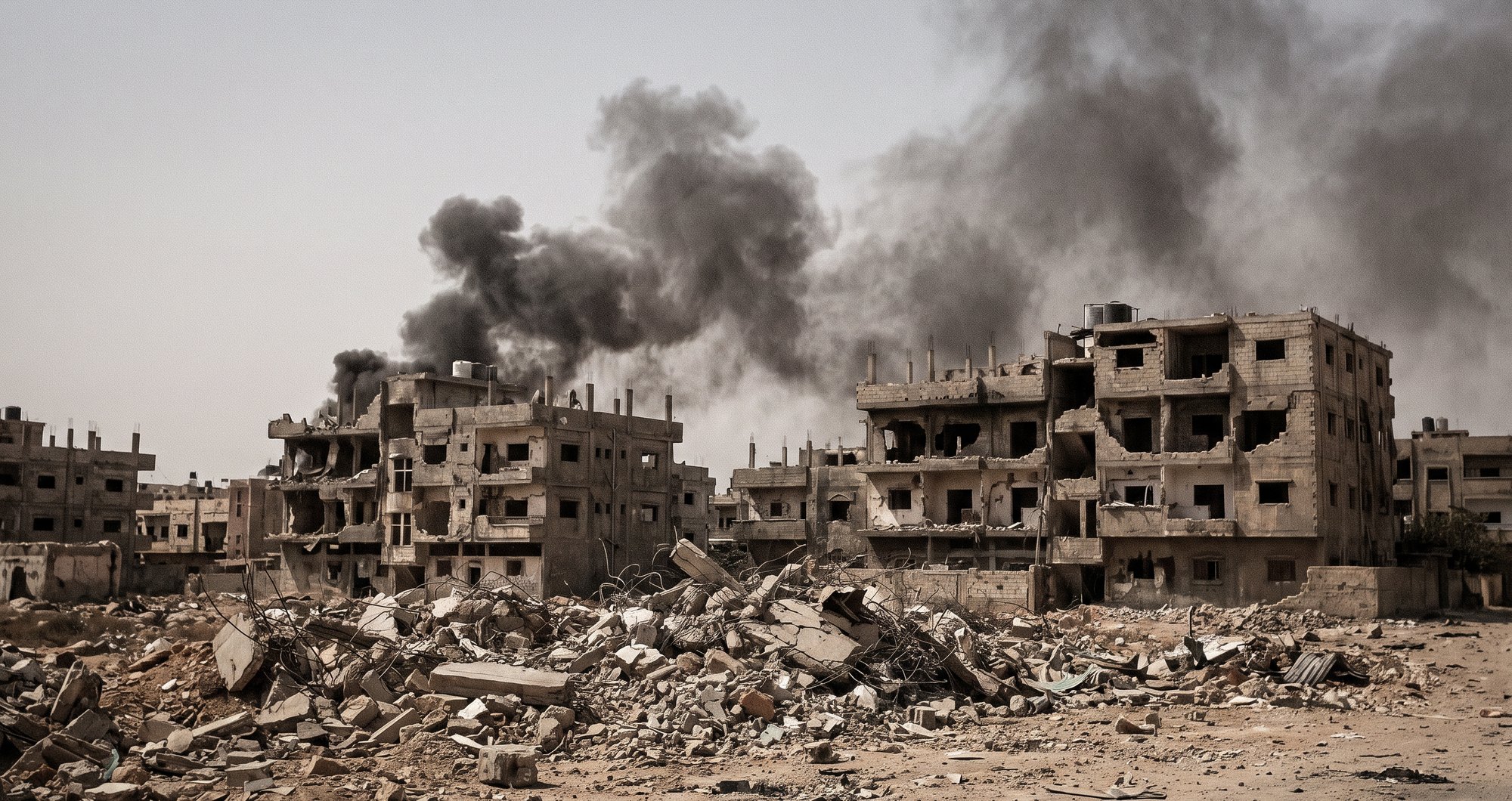

Yemen government forces say they have carried out 875 strikes, and an airstrike has killed 27 people near Sanaa, the capital city.
Claims and the immediate toll
Yemen government forces have claimed responsibility for 875 strikes, and a separate airstrike is reported to have killed 27 people in the area close to Sanaa. The two figures form the core of a situation that appears to have escalated sharply. Details beyond these claims are limited, and the extent of damage, whether combatant or civilian casualties were involved, and precise locations have not been specified in the claims available.
Humanitarian implications
Large-scale air operations and single incidents causing multiple fatalities tend to have significant humanitarian consequences. Even when combatants are the intended targets, the proximity of military actions to populated areas often results in wider harm, including civilian casualties, destruction of homes and infrastructure, and disruption of essential services such as water, electricity and medical care. Displacement of residents from affected neighbourhoods is also a frequent outcome in such contexts.
Health services in and around Sanaa have faced sustained pressure in recent years, and any fresh escalation can increase the strain on hospitals and clinics, particularly if there is a sudden influx of wounded people needing urgent care. Long-term impacts can include the destruction of livelihoods, interruption of education and increased food insecurity for affected communities.
Legal and diplomatic considerations
Large numbers of strikes and incidents causing dozens of deaths raise questions under international humanitarian law about the conduct of hostilities and the protection of civilians. Principles such as distinction, proportionality and precautions in attack are central to assessments of whether military action complies with legal obligations. Where there are credible allegations of unlawful attacks, there is often international and local scrutiny demanding investigation and accountability measures.
Diplomatic responses to such claims and incidents commonly include calls for restraint and efforts to secure ceasefires or humanitarian pauses to allow aid delivery and protect civilians. The relationship between military operations and humanitarian access is a recurrent concern: when violence intensifies, humanitarian organisations frequently face greater difficulty reaching people in need.
Context and verification
Claims about the number of strikes and casualty figures can be difficult to verify independently in the midst of active hostilities. Access constraints, security risks and the breakdown of communications in conflict zones can all impede the work of investigators and humanitarian monitors. Independent verification is important to clarify what occurred, identify responsibility and inform appropriate responses, including protection measures and potential legal proceedings.
Until verifiable information becomes available, the figures presented by parties to a conflict should be treated with caution. They nevertheless provide an immediate indication of the scale of recent military activity and the human cost when an airstrike results in mass fatalities.
What follows
In the coming days, attention will likely focus on efforts to establish the facts on the ground, the humanitarian response to any displaced or injured people, and diplomatic initiatives aimed at reducing violence. Humanitarian organisations and international actors typically seek access to areas affected by heavy fighting to deliver aid and to assess needs. Meanwhile, questions about the conduct of operations and the protection of civilians will continue to be central to the discourse around any escalation that produces high casualty numbers.
Given the limited verified information currently available, the immediate priority for all involved is to ensure the safety and support of those affected and to enable independent investigation and humanitarian assistance where it is required.