
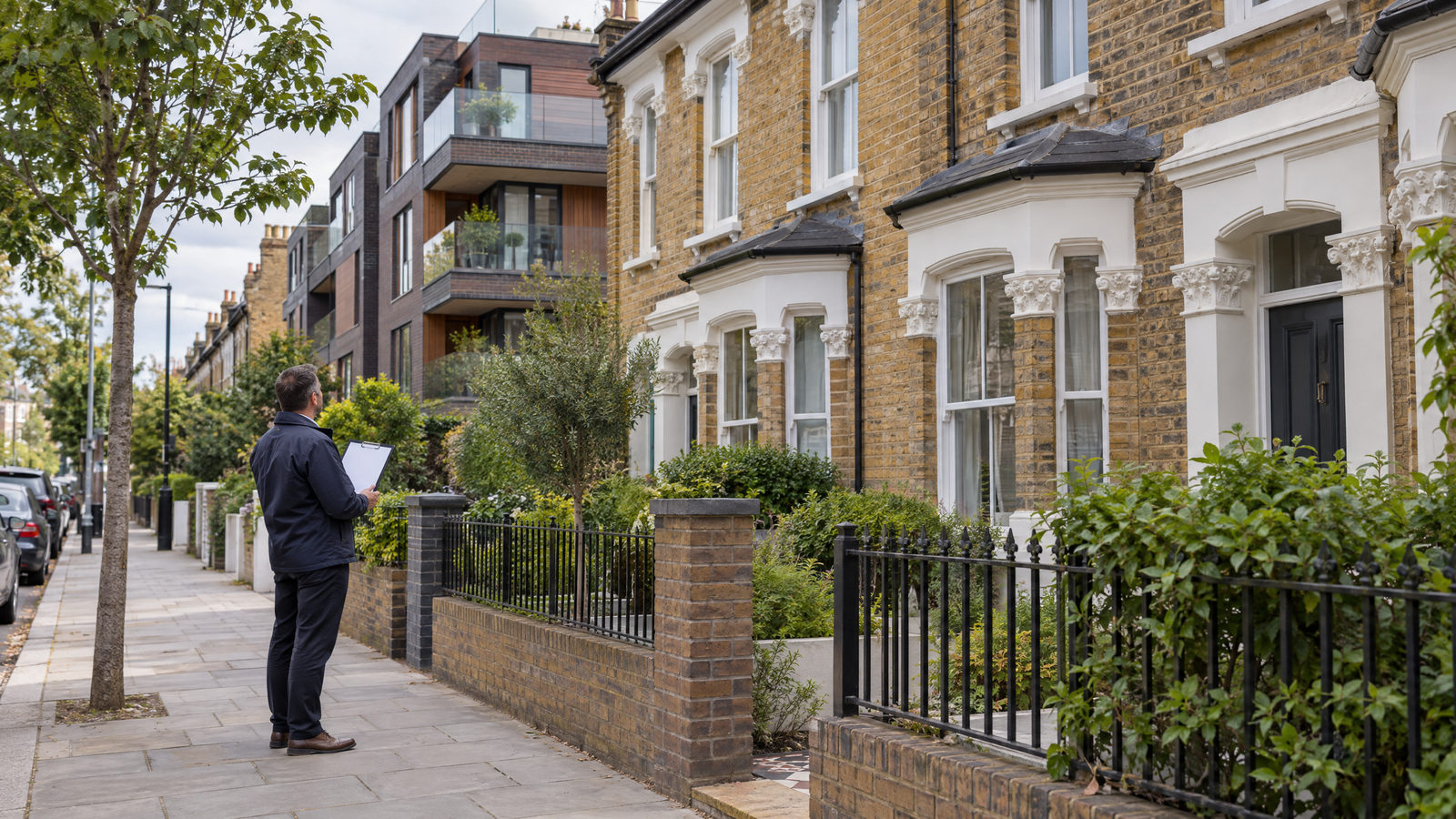

Hackney Council has set out a tougher enforcement drive against private landlords that leave tenants in unsafe or substandard homes, beginning with a stated £30,000 financial penalty connected to unaddressed fire-safety concerns.
The Council says it will now seek the biggest fines and strongest possible penalties available in the most serious cases. It has also created an enforcement team of more than 50 officers to investigate poor conditions in the private rented sector and take action where its officers consider it necessary.
The £30,000 action is the first case highlighted as part of the new drive. The Council says the penalty was imposed on a landlord who failed to deal with fire-safety concerns. It has not named the landlord or the property in its announcement, nor has it provided the date of the penalty or information about any appeal. Those limits matter: the wider announcement is a statement of the authority’s enforcement approach, while the detail published about the individual case is limited.
For renters, the practical message is that the borough wants reports of disrepair and unsafe conditions to reach its housing officers. The Council says its officers will use the combination of its landlord-licensing arrangements and the Renters Rights Act when investigating concerns. It is encouraging tenants who believe their home is in poor condition to come forward rather than assume that a repair issue must be resolved privately between tenant and landlord.
The new emphasis follows the launch of Hackney’s wider licensing arrangements earlier this year. The Council says that almost all private landlords in the borough must apply for a licence for each property they let. Selective licensing applies in 17 of Hackney’s 21 wards, covering 76% of privately rented homes, while the remaining four wards are covered by additional licensing. The Council also says that the expanded HMO arrangements apply to homes shared by three or more people from two or more households.
Licensing does not itself establish that a home is unsafe or that a landlord has breached a duty. It gives the Council a framework through which it can inspect homes and examine conditions. The latest announcement signals that Hackney intends to pair that inspection capability with a larger enforcement operation and a willingness to use the available financial and legal sanctions in serious cases.
There is also a wider national enforcement context. Since 22 June, councils in England have been able to issue penalties of up to £7,000 where a landlord fails to fix serious hazards in a rented home. The Government says the new power applies to the most serious category of risks, including fire hazards, faulty electrics, structural problems and unsafe layouts. It sits alongside other routes already available to local authorities, rather than replacing them.
Hackney’s announcement refers to potentially stronger consequences in the most serious cases, but the outcome of any investigation will depend on the facts of each property and the legal power being used. A larger team is not a count of penalties already issued, and the Council has not set a public target for the number of inspections or fines. Its immediate commitment is to investigate reports, inspect where appropriate and seek robust action against landlords it finds have failed to meet their responsibilities.
The Council’s leaders have framed the change as a response to renters paying high sums while living with risks that should be addressed. For private tenants, the announcement does not change the importance of recording problems clearly and reporting them promptly. For landlords, it is notice that Hackney intends to make fuller use of its licensing and enforcement capacity when it considers homes to fall below the required standard.







