
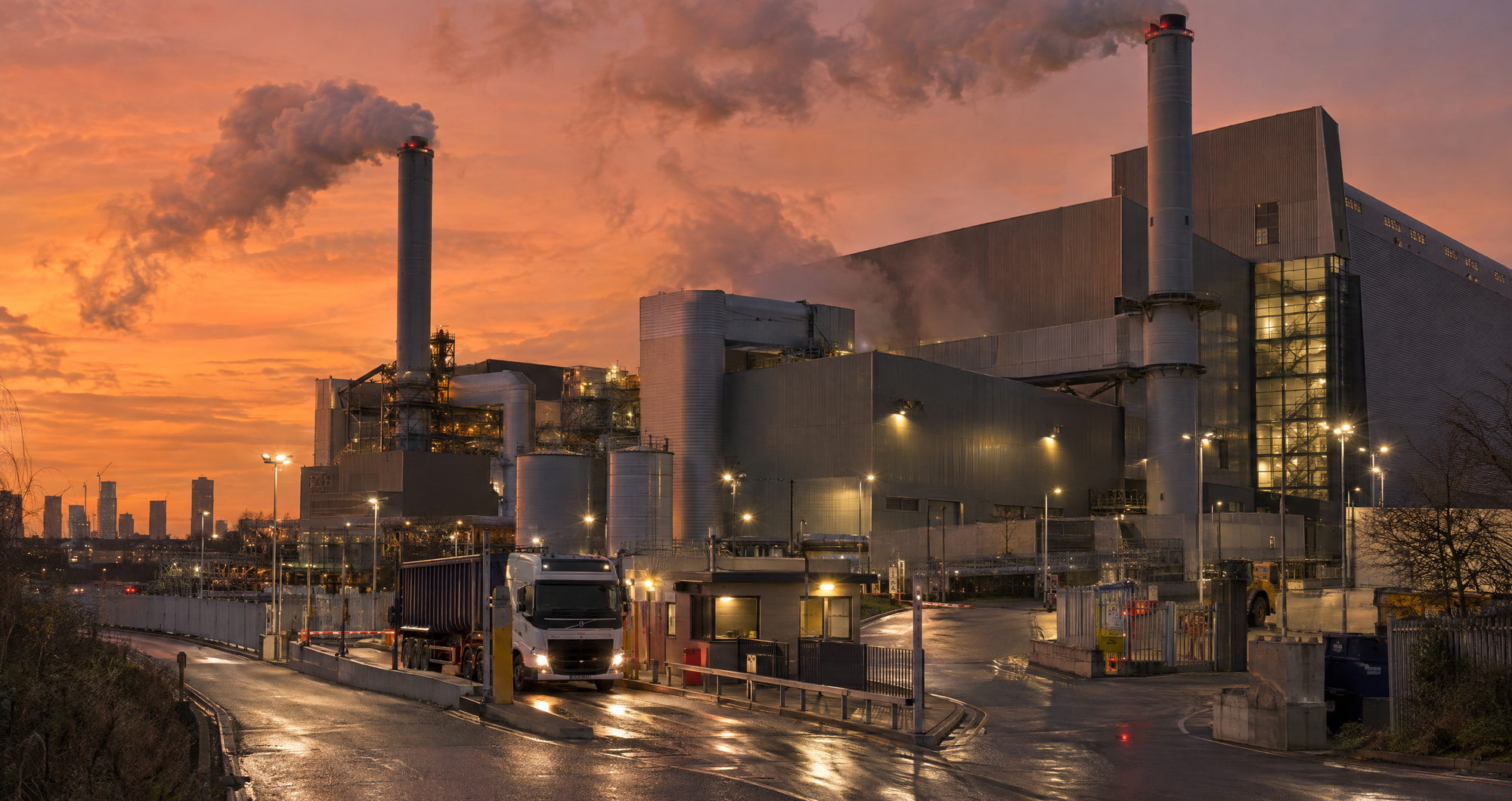

Green councillors who control the North London Waste Authority have said they will support the £1.5bn rebuild of the Edmonton incinerator, having promised before May’s local elections to explore every option to cancel it.
The authority’s controlling seven members said previous management had left them a poisoned chalice and that the choice was the rebuild or bankruptcy. The decision covers a plant that will process waste from seven boroughs and around two million residents for decades.
What the authority decided
The North London Waste Authority is run by councillors from Barnet, Camden, Enfield, Hackney, Haringey, Islington and Waltham Forest. The Greens took control after the May elections and had said they would examine whether the contract for the Edmonton Eco Park replacement could be terminated or renegotiated.
Having reviewed the contract, the board concluded that cancellation would expose the authority and its member boroughs to costs they could not absorb. They said they had secured a better deal with the contractor, Acciona, that reduces the burden on council taxpayers compared with the terms inherited from the previous administration.
The existing incinerator was commissioned in 1971 and is due to remain in use until 2030. The replacement was originally scheduled for 2027. The scheme was approved in 2017 and construction began in 2022, since when it has been delayed by Brexit, the war in Ukraine and higher interest rates.
The politics of a U-turn
Few decisions illustrate the gap between opposition and office as sharply. The Greens campaigned against a plant they argued locks the boroughs into decades of burning waste, discourages recycling and adds to air pollution in an area that already carries a heavy environmental burden.
Once responsible for the contract, the same councillors found themselves weighing penalty payments, stranded construction costs and the loss of the capacity the boroughs need to deal with residual waste after recycling. The chair of the authority, Jacob Cable, a Hackney councillor, has said scrapping the project would be devastating financially for the seven boroughs.
The board’s statement that the choice is between the rebuild and bankruptcy is a political admission as much as a financial one. It concedes that the authority’s options were constrained by a contract signed years earlier and by the absence of an alternative facility that could be built in time.
The objections that remain
Campaigners from Stop the Edmonton Incinerator Now argue that the plant will undercut recycling rates by guaranteeing a supply of burnable waste, and that air quality in the surrounding area is already poor. They also point out that the carbon accounting for waste incineration has changed, with emissions from burning plastics counted more heavily than in the past.
The authority says the new plant will generate electricity and heat, will meet modern emissions standards, and will sit alongside a recycling facility on the same site. It argues that the alternative to burning residual waste is landfill, which produces methane and costs more in the long run.
Both claims can be true at once. An incinerator can be cleaner than the plant it replaces and still make it harder to justify the investments needed to cut the amount of waste going into it. That tension is now the authority’s problem rather than the campaign’s talking point.
What happens next
Construction will continue on the replacement plant, with commissioning expected later this decade. The authority will need to explain to residents in seven boroughs why their waste bills include a facility many of them objected to, and why the decision was taken by councillors who had promised to stop it.
The wider lesson concerns long-term waste contracts. Once signed, they transfer risk to the public body rather than the contractor, and the penalties for exit are usually large enough to make cancellation impossible. Authorities that want freedom to change course need to negotiate that freedom before the contract is signed, not after.







