
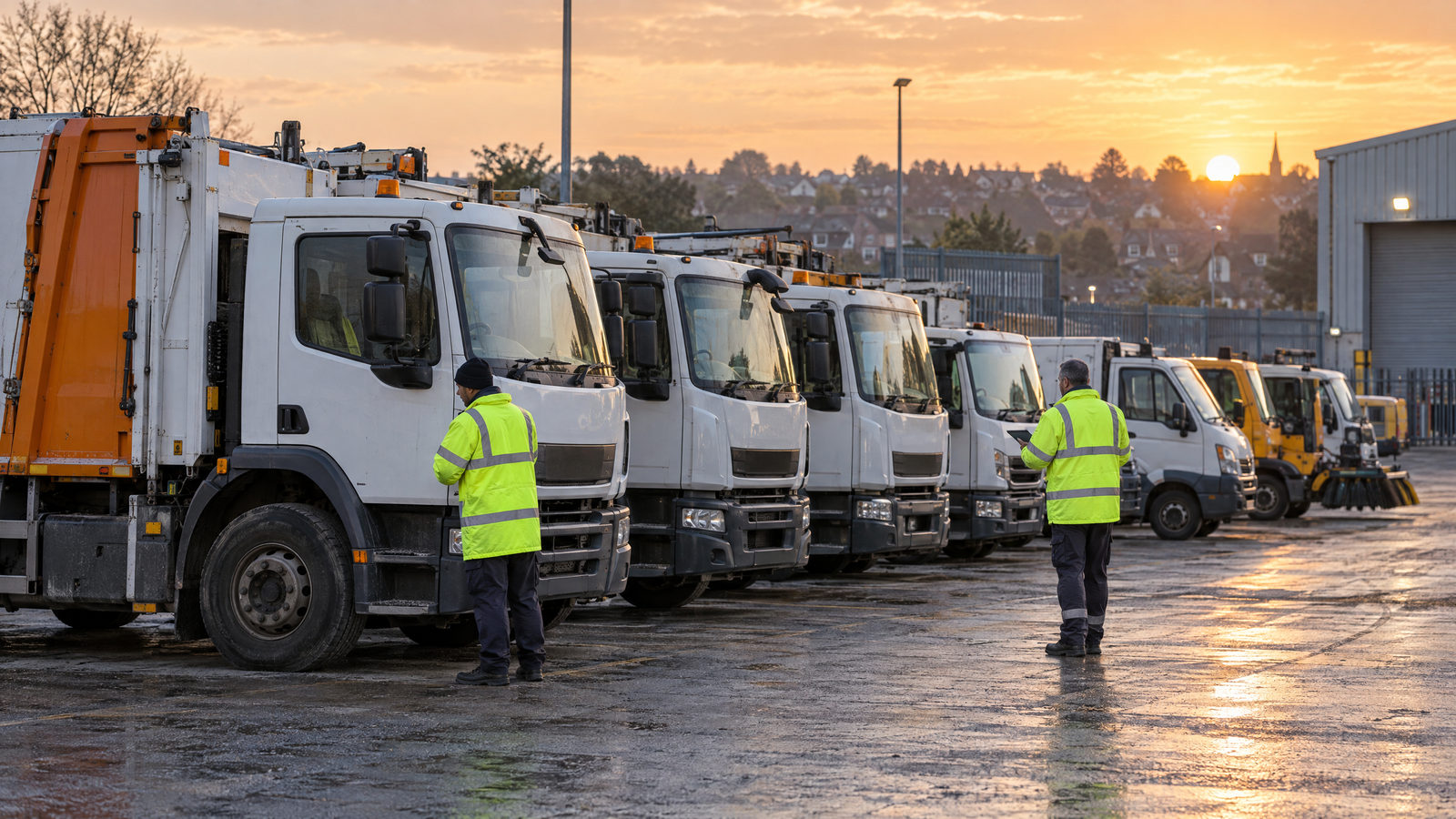

Harrow Council has approved contracts and funding to replace 86 vehicles used in frontline services across the borough, including refuse collection, street cleansing and grounds maintenance.
The decision was published on 25 September, following the Cabinet meeting the previous evening. It covers 33 refuse collection vehicles, 33 tippers, eight cars, eight small vans, two cranes and two dumpers. It is a procurement decision rather than an announcement that the whole new fleet is already on the road: orders and delivery remain to follow.
The largest part of the programme is the replacement of the refuse collection vehicles. Dennis Eagle is to supply 33 of those vehicles. Lookers and HTC DAF are named for 33 tippers; HTC DAF is also to supply two cranes. Lookers is named for the cars and small vans, while Cautrac is to supply the two dumpers.
Those vehicles are used well beyond bin rounds. The programme is intended to support the operational fleet for street cleansing, grounds maintenance and other services that depend on specialist vehicles being available day to day. The decision says the replacement is intended to maintain reliable assets for essential services, replace vehicles at the end of their operational life and reduce maintenance and downtime.
For residents, that is the immediate significance of the decision. A refuse truck or tipper that is off the road does not simply create a workshop problem: it can put pressure on the service schedule and the spare vehicles available to cover it. The council’s assessment is that keeping the older fleet for longer would raise maintenance costs, reduce reliability and increase the risk of disruption.
What has been approved
The report to Cabinet set a capital budget of £12,581,434 excluding VAT for the programme. Quotations received in June put the estimated cost of the 86 vehicles at £12,404,269. The difference of £177,165 is intended to give room for price increases before orders are placed, rather than requiring a further approval if quoted vehicle or equipment costs rise.
The programme is to be funded through borrowing. On the council’s assumptions, interest costs of £558,192 would fall in the first year of expenditure, 2027/28. From 2028/29, when the repayment charge begins, the estimated annual capital financing cost is £2,108,726. That is projected to be £1.156m more than the annual financing cost of the current vehicles, reflecting higher vehicle prices and a higher assumed borrowing rate than when much of the existing fleet was bought.
The council has identified an estimated budget pressure of around £350,000 from 2028/29, which it says will need to be considered through its future medium-term financial planning. Those figures are estimates attached to the replacement programme, not a statement of a change to household services or charges.
Electric vehicles depend on charging capacity
The replacement plan also leaves room for more fully electric and plug-in hybrid vehicles where they are suitable for the job. That is not a commitment to make every vehicle electric. The council says the choice will depend on operational requirements, the technology available and whether suitable charging infrastructure can be provided at the hub.
A separate piece of work is being prepared on the charging infrastructure needed for the fleet. Conventional replacements are still expected where alternative-fuel vehicles are not suitable or financially viable for the work required. That distinction matters for a mixed fleet which includes heavy refuse vehicles and specialist equipment as well as cars and vans.
The council’s risk assessment also identifies possible delays in manufacture or delivery as an issue to be managed through early procurement and supplier engagement. It notes that charging capacity remains a separate consideration for any electric vehicles introduced through the programme.
The decision applies across all wards. It follows a Cabinet meeting on 24 September, and the decision record was published the next day. The published agenda listed 2 October as the deadline for a possible call-in, with implementation listed for 3 October if the decision is not called in.
For now, the central development is that the council has moved from a proposed fleet replacement to an approved set of contracts. The practical test will come in procurement, delivery and the performance of the replacement vehicles once they enter service.







