
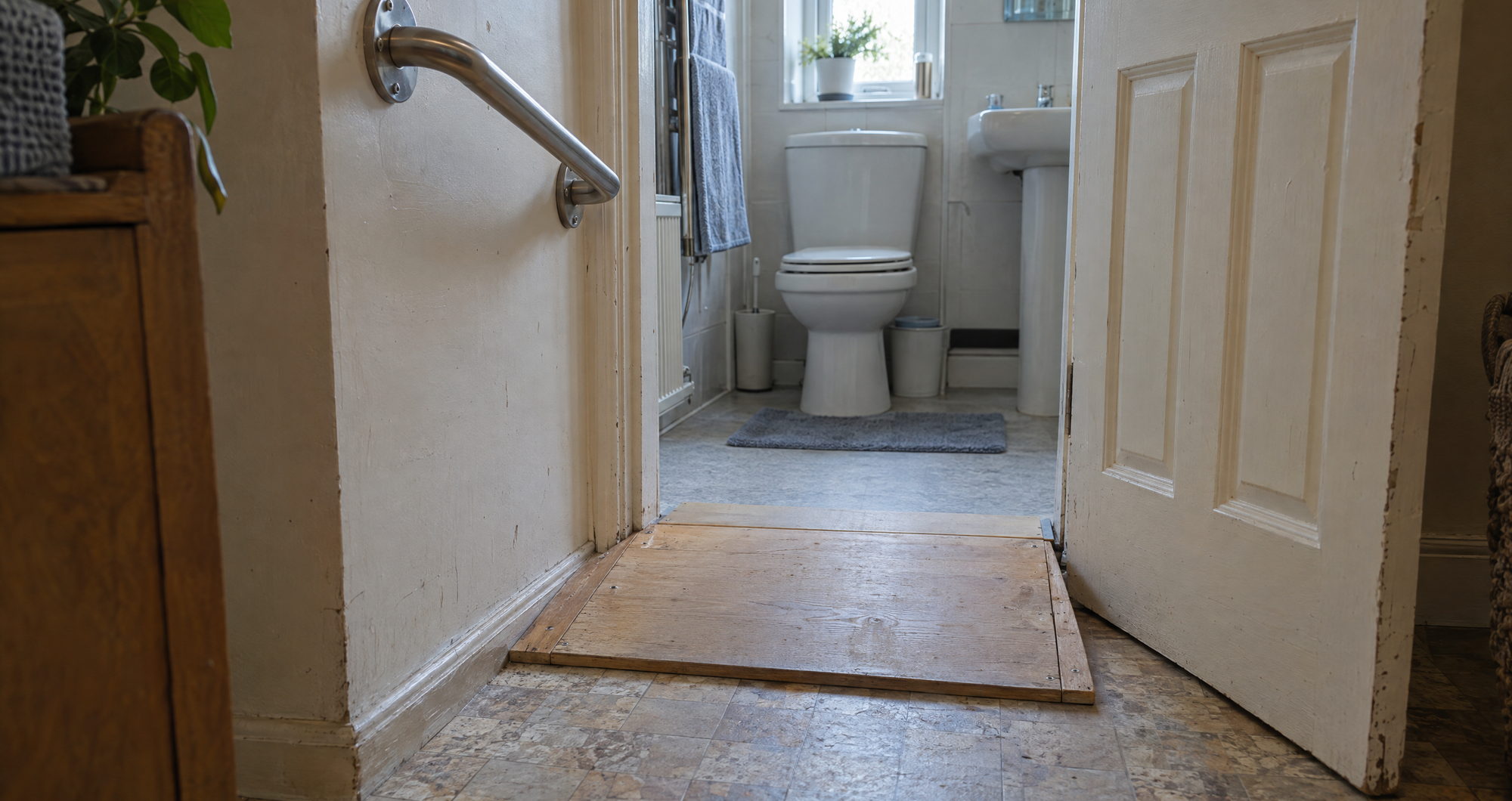

Wandsworth Council has been ordered to pay £1,400 to the mother of a disabled boy who waited around three-and-a-half years for adaptations to his home. The Local Government and Social Care Ombudsman found the south London council at fault over repeated administrative delays, with the payment intended to recognise the distress caused to the family.
The council has not disputed the finding. The case centres on the administration of the boy’s home adaptations and the prolonged wait experienced by his family, rather than a disagreement over the ombudsman’s conclusion.
For disabled children, the suitability of a home can have a direct bearing on everyday life. Adaptations are intended to make a property better suited to an individual’s needs. Delays can mean that a child continues living in unsuitable surroundings while the family waits for changes that would support daily routines.
A prolonged wait
The wait in this case lasted around three-and-a-half years. The ombudsman identified repeated administrative delays by Wandsworth Council, establishing fault in the way the case was handled. That finding places responsibility on the council for failings in its processes.
The available details do not identify the boy or his mother, or describe his disability. They also do not specify the adaptations involved. The finding should therefore be understood within those limits: it concerns a disabled child’s prolonged wait for home adaptations and the distress caused by administrative delays.
Home adaptations can cover changes that make it easier for a disabled person to use their living space. What is appropriate depends on the individual and the property. There is no basis in the details of this case to describe particular building work, equipment or changes to individual rooms.
The distinction matters because the central issue is not the design of a particular adaptation. It is the time taken and the repeated administrative delays identified by the ombudsman. A process intended to respond to the family’s needs became a prolonged wait, with a recognised personal impact.
Payment for distress
The £1,400 payment is to be made to the boy’s mother. Its stated purpose is to recognise the distress caused to the family by the delays. It should not be confused with funding for the adaptations themselves or treated as a figure for the cost of any work.
An ombudsman finding provides a means of holding a council accountable for administrative fault. In this case, the decision connects the council’s handling of the adaptations with the family’s experience, rather than treating the delay solely as a problem of paperwork or case management.
A payment recognising distress cannot give a family back the time spent waiting. Its practical significance is that the fault has been formally identified and a financial remedy required. The council’s decision not to dispute the finding does not, on its own, establish whether the payment has already been made.
Nor do the supplied details establish whether the adaptations are now complete. The duration of the delay and the order to pay are clear, but the family’s current housing circumstances are not. Any account of the outcome must keep that distinction intact.
London’s adaptation services
The Wandsworth decision adds to a series of ombudsman findings against London boroughs concerning the speed of adaptations and social care administration. It does not establish that every borough has the same problems, or that the circumstances of other cases match this family’s experience.
It does illustrate how administrative delays can have consequences beyond council offices. For a disabled child and those caring for them, waiting for a suitable home environment is part of daily life. Timely administration is therefore connected to the purpose of the service, not separate from it.
The immediate requirement is for Wandsworth to pay the boy’s mother £1,400 in recognition of the family’s distress. Whether that payment has been made, and whether the home adaptations are complete, remain unconfirmed in the available details.







