
If your house has suddenly gone from a noisy, open-door summer free-for-all to dead silence at 9am, you might not be the only one feeling the shift.
While parents breathe a quiet sigh of relief and kids head back to the classroom, our pets are going through their own September shake-up. Think about it from their perspective: the humans have vanished, the back door is suddenly shut, walks are getting earlier and shorter and the house that’s been buzzing for weeks has gone eerily quiet.
So, if your dog has suddenly become your shadow, or your cat is tearing around the house at 11pm, there could be more to it than meets the eye.
Here, Kevin Thackrah, Director of Petpals, reveals five ways the end of summer can affect our pets – and the clever little changes that can help.
- That closed back door is a bigger deal than you think
All summer, your dog has probably been running their own little open-door policy: wander outside, have a sniff, bark at something questionable, come back in, repeat. Then September arrives and suddenly their freedom disappears.
Rather than trying to make up for it with another walk, recreate the choice and stimulation they’ve lost. Hide a handful of their usual kibble in different spots around a room and let them hunt it down, or scatter it through a snuffle mat. Ten minutes spent sniffing out breakfast can be much more interesting than ten minutes staring hopefully at a closed back door.
- Your cat’s 11pm zoomies might have an explanation
If your cat has suddenly started ricocheting off the furniture just as you’re heading to bed, consider what their summer looked like.
Cats that spend time outdoors can spend hours exploring, climbing, watching and stalking. As the days shorten and they spend more time inside, all that natural behaviour suddenly has fewer outlets.
Create a ‘watching station’ with a tall cat tree or window hammock overlooking the garden, then introduce a short burst of feather-wand play in the evening. Finish with a little of their food afterwards to recreate the natural hunt, catch, eat and settle pattern. Your curtains may thank you.
- Silence can be surprisingly unsettling
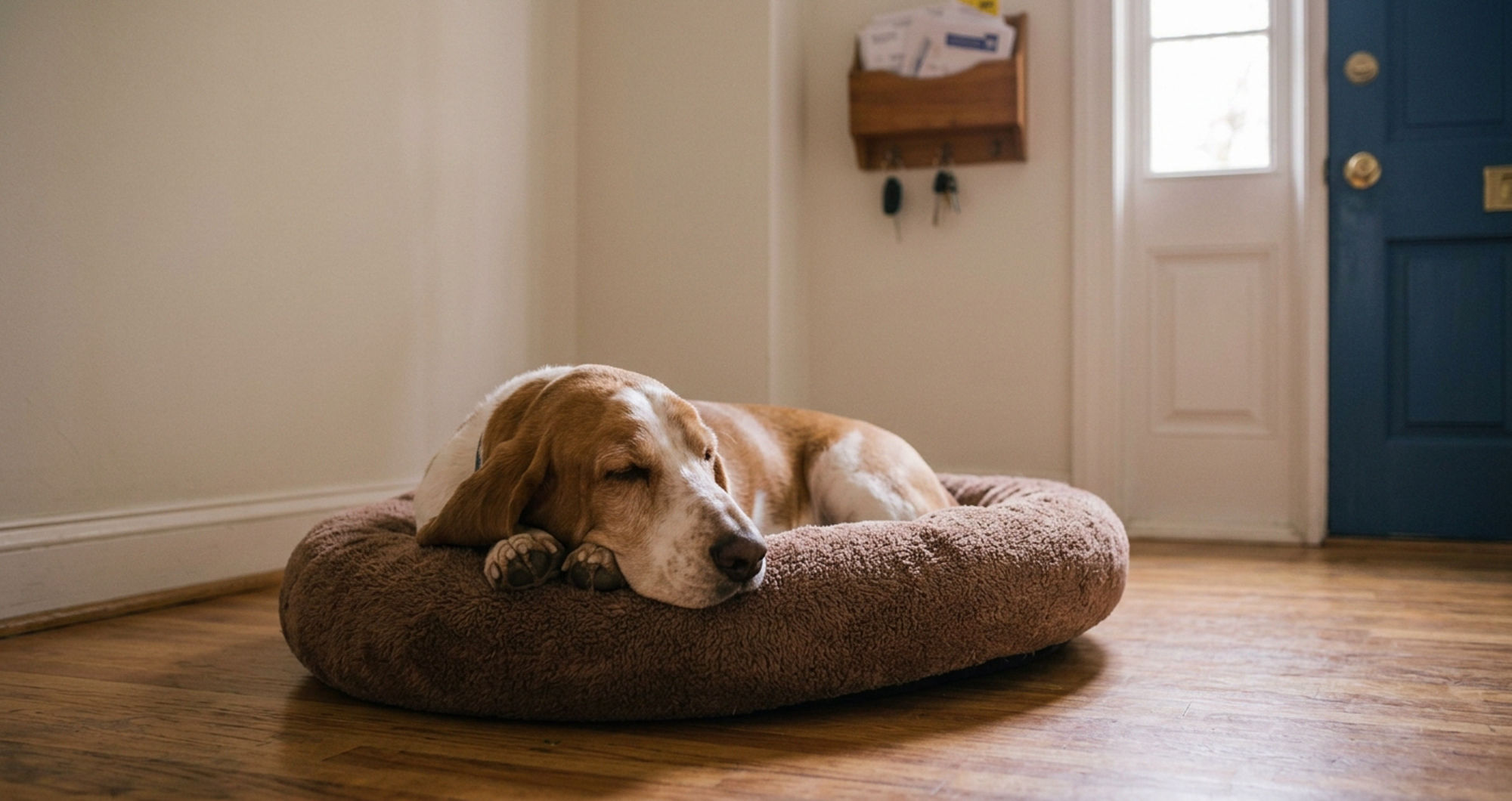
We tend to think pets want peace and quiet. But imagine spending six weeks surrounded by chatter, footsteps, doors opening and closing and people wandering in and out – only for everyone to disappear one Monday morning. That sudden silence can be a big environmental change.
If your pet is used to household noise, leaving a radio or television playing quietly can soften the contrast. And don’t wash everything at once: an old jumper or familiar blanket that smells like you can be reassuring when you’re not there.
If you notice persistent barking, destructive behaviour, toileting indoors or other significant changes, however, speak to your vet or a qualified behaviourist.
- Your dog doesn’t care about their step count
Here’s some good news for anyone already dreading those dark, wet evening walks: your dog doesn’t necessarily need you to clock up miles to come home satisfied. Sometimes, the most interesting walk is the slowest.
Try a ‘sniffari’, where your dog gets to choose when to stop and investigate rather than being hurried along. To you, that lamppost is a lamppost. To your dog, it’s essentially the neighbourhood noticeboard – packed with information about who has been there before them.
So, on a busy evening, 20 minutes of proper exploring may be far more rewarding than marching around the same route as quickly as possible.
- Your morning cuppa might matter more than you realise
Pets are incredibly good at spotting the tiny patterns we barely notice ourselves. The alarm goes off, the kettle boils, breakfast appears, someone picks up the lead – all those little moments help make their day predictable. September can scramble the lot.
You don’t need to run your house like clockwork, but try to keep the important anchors – food, walks, toilet breaks and interaction – reasonably consistent. If returning to work or tackling the school run suddenly leaves your dog with a much longer gap in their day, consider arranging a visit from a professional pet care service like Petpals, or asking a friend or family member to help out. This can break up their day and help maintain some of that familiar rhythm.
Before you blame the naughty behaviour…
Perhaps the biggest thing to remember is that we know summer is over. Our pets don’t. They don’t understand why the children have disappeared, why the garden door is shut or why their 8am walk has suddenly become a rushed trip around the block. They simply know that a routine they’d become comfortable with has changed.
So, before blaming the scratched sofa, 11pm zoomies or newly clingy behaviour on your pet being difficult, look at what’s changed in their world first. Sometimes the answer isn’t more exercise, more treats or more attention – it’s simply giving them something predictable to replace what September has taken away.
To find out more about Petpals and the pet care services available in your area, visit the website.