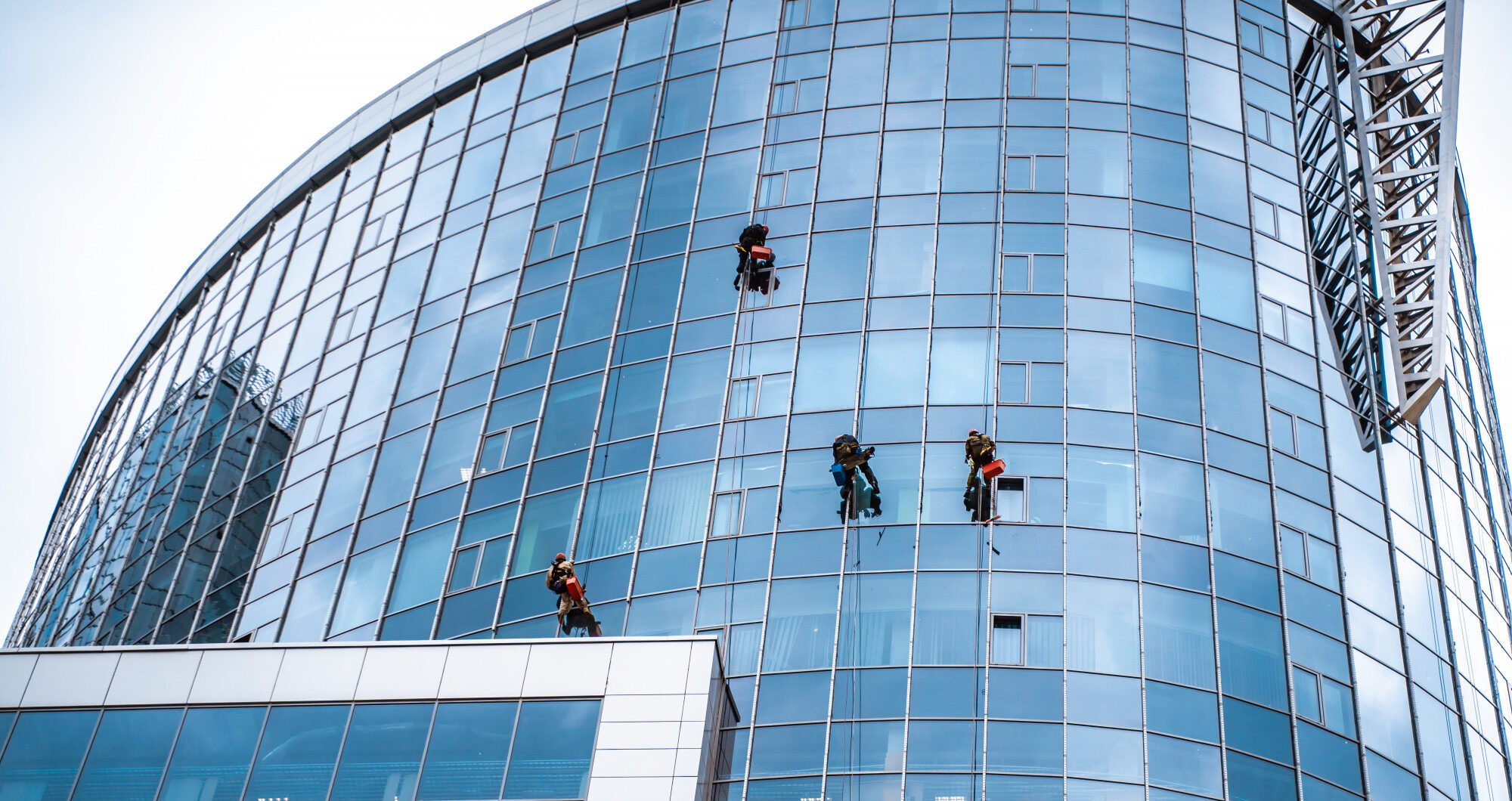

High windows are beautiful. They let in sunlight, open up a space, and create that bright, airy feeling everyone loves. But when is it time to clean them? Suddenly, they’re not quite so charming. You stretch, you balance, you angle your head in strange ways, and after all that effort… the window still looks streaky. If you’ve ever felt that frustration, you’re not alone. High and awkward windows challenge almost everyone.
So how do professionals manage to clean them so quickly, safely, and with perfect results? And what makes these elevated areas so different from regular ground-level glass? Once you understand the reasons, the process makes much more sense, and it becomes clearer why expert help often isn’t just useful, but necessary.
Why High Windows Require More Than Just Effort
Anyone who has ever tried to clean an upstairs window from the inside knows the feeling: the cloth keeps slipping, your arm hurts, and somehow, there’s always a patch you cannot reach. Now imagine doing that from the outside. It’s not just tricky, it’s unsafe.
High windows come with very specific complications:
- Access is limited, especially when garden beds, sloping ground, conservatories, or parked cars sit directly beneath them.
- Falls are a real risk, even for people who consider themselves comfortable with ladders.
- Dirt accumulates faster at elevated points because they catch more wind, dust, and pollution.
- Smudges are far more visible, especially when seen from the street or across the room.
- Different glass types in high areas may need tailored methods to avoid streaking or scratching.
Think of the last time you saw an upper window looking misty or dull. Did you know it was dirty? Did you simply ignore it because you didn’t have a safe way to reach it? Most people do and that’s exactly why professionals exist.
What Builds Up on High Windows? More Than You Might Expect
At ground level, you can at least see what’s stuck to the glass. High windows, however, hide layers of dirt that often go unnoticed for months. Yet when the sun hits them, every mark becomes painfully clear.
You’ll typically find:
- Fine dust and pollen, carried by the wind.
- Mineral stains from rainwater are drying unevenly.
- Bird droppings can permanently etch glass.
- Spider webs and insect residue, especially around frames and corners.
- Traffic pollution leaves a thin, greasy film common in busy areas.
Do you remember the last time you genuinely inspected the windows above head height? Most people only realise the problem once natural light feels dull or rooms seem slightly gloomier. Clean windows make a huge difference in brightness, and elevated areas play a major role in that.
Why DIY Cleaning Rarely Works for High Windows
There’s nothing wrong with wanting to handle things yourself. But when it comes to elevated windows, DIY often leads to uneven results or unnecessary risks.
Working at height always carries risks, even for people who feel confident with ladders or extension poles. The UK’s Health and Safety Executive (HSE) provides official guidance on safe work at height, helping to reduce avoidable accidents and ensure proper techniques are followed. You can explore their recommendations on working at height here: https://www.hse.gov.uk/work-at-height/
Here’s what usually goes wrong:
- The extension pole looks long enough until you try using it.
- Water runs down the handle and all over your clothes.
- The window gets streaky because you can’t control pressure from far away.
- The ladder wobbles on uneven ground, creating a dangerous situation.
- The angle is so awkward that cleaning becomes more guesswork than technique.
Even when the window looks clean from up close, natural light often reveals every streak. And that ladder? One slip is all it takes for things to go very wrong. Most professionals avoid ladders unless essential, and there’s a good reason for that.
The Equipment Professionals Use and Why It Makes Such a Difference
A big part of professional quality cleaning comes down to the tools. They aren’t the kind you can pick up at a home improvement store. They’re engineered for reach, safety, and spotless finishes.
1. Water Fed Pole Systems
These lightweight, extendable poles can reach up to four storeys. They deliver purified water directly through the brush, removing the need for detergents.
Why they work so well:
- Zero streaks, because pure water dries naturally without residue.
- No ladders, reducing the risk completely.
- Smooth cleaning, even around awkward angles or landscaping.
- Environmentally friendly, since no chemicals are used.
Have you ever wished you could clean a third-floor window while standing safely on the ground? This is exactly what water-fed poles make possible.
2. Rope Access Cleaning
For commercial buildings or extremely tall homes, rope access technicians do the job. These technicians train extensively and follow strict safety standards.
Benefits include:
- Reaching spots that scaffolding can’t access.
- Cleaning entire façades quickly and uniformly.
- Minimising disruption for residents or office workers.
- This is the method you see on high-rise buildings: efficient, controlled, and remarkably precise.
3. Professional Ladders and Stabilising Gear
When a ladder is unavoidable, professionals use industrial ladders built for stability, not convenience.
These ladders come with:
- Adjustable feet
- Wide anti-slip bases
- Lightweight but strong frames
- Special locking mechanisms
Professionals combine this with knowledge of angle, weight distribution, and placement skills that most homeowners don’t have, simply because they don’t use ladders daily for demanding tasks.
4. Specialised Tools and Glass Care Products
Hard-to-reach windows often need more than water. Professionals use:
- Microfibre applicators for stubborn dirt
- Heavy-duty squeegees that move smoothly across large areas
- Scrapers for caked residue like paint or adhesive
- Glass-safe solvents for water stains and mineral buildup
- Detailing cloths for corners and edges
Every tool is chosen for a specific purpose. That’s why the finish looks polished and even, without smudges.
How Professionals Clean High Windows Step-by-Step
A perfect finish isn’t luck. It’s a system. And it’s the same system that ensures consistency whether the window is on the ground floor or the fourth.
Professional Process
- Assessment
They check height, dirt level, angle, and surrounding space. - Choosing equipment
They select the safest and most efficient method. - Initial preparation
Removing loose debris like spider webs ensures a cleaner final result. - Thorough washing
Using purified water or targeted detergents, depending on the dirt. - Precise drying
This is what eliminates streaks and watermark issues. - Final inspection
Frames, corners, and edges receive detailed attention.
This level of consistency is nearly impossible for DIY setups. Professionals simply know how glass behaves, and that experience creates superior results.
Why Homeowners and Businesses Prefer Professional Cleaning
It’s not just about convenience. Professional cleaning impacts safety, appearance, and long-term maintenance.
1. Safety Comes First
Working at height is dangerous. Professionals remove that risk entirely by using equipment designed to keep both cleaners and clients safe.
2. Clear, Bright, Noticeable Results
Have you ever walked into a room after the windows were cleaned properly? The difference is instant. Light flows better, colours feel more vibrant, and the space looks fresher.
3. Time Savings
Professionals clean in minutes what would take homeowners hours, and with much better results.
4. Preventing Damage
Using the wrong scraper, cloth, or detergent can scratch or cloud the glass permanently. Professionals avoid these costly mistakes.
5. Long-Term Savings
Regular professional cleaning protects windows from:
- Etching
- Mineral stains
- Corrosion
- Frame deterioration
This reduces maintenance costs significantly.
6. Improved Natural Light
Clean high windows transform a room. More sunlight means a brighter home and even lower electricity usage during the day.
7. Better Image for Businesses
Customers notice dirty windows, especially those above eye level. Clean windows reflect professionalism, care, and attention.
Why Some Windows Are Not High, Just Hard to Reach
Sometimes the problem isn’t height. It’s an awkward positioning.
Common tricky spots include:
- Windows behind deep kitchen sinks
- Glass panels above stairs
- Skylights above furniture
- Small exterior spaces with limited ladder access
- Conservatories surrounded by landscaping
Professionals use angled poles, compact ladders, or innovative rope setups to reach these areas without risk or damage.
Have you ever stared at a staircase window and wondered, “How am I supposed to get to that?” Professionals answer that question every day.
Residential Situations Where Professional Cleaning Makes a Big Difference
1. Loft and Attic Windows
These catch more wind and rain, so marks appear quickly and visibly.
2. Conservatory Roofs
They gather moss, algae, and leaves, and the wrong cleaning methods can damage seals.
3. Skylights
Dust, insects, and water stains make skylights dull fast. Their angle also makes DIY cleaning uncomfortable.
4. Staircase Windows
The combination of height and uneven ground makes them unsafe for DIY methods.
5. Second and Third Floor Windows
Even with the longest pole, reaching the top edge properly is nearly impossible without proper equipment.
Commercial Spaces That Require Professional High-Window Cleaning
1. Shopfronts
The higher signage area often gets dirtier faster and affects customer perception.
2. Office Buildings
Glass façades accumulate dust and pollution rapidly, especially in city centres.
3. Block of Flats
Shared windows, hallways, and upper-level spaces need consistent maintenance.
4. Hotels
Lobby windows can make or break the impression of luxury and care.
5. Restaurants
Clean windows create a clean environment, and diners notice every detail.
Is Professional Cleaning Expensive? Not Usually
Many people assume specialised cleaning automatically means high prices. But the truth is surprising: professional high window cleaning is often more affordable than DIY.
Here’s why:
- You don’t buy specialised equipment.
- You avoid damaging the glass with incorrect methods.
- You save hours of time and effort.
- You eliminate any risk of accidents.
- You protect the glass long-term.
Costs vary by height, dirt level, frequency, and number of windows. But most homeowners discover that the price is far more accessible than expected.
How Often Should Elevated Windows Be Cleaned?
This depends on several factors like pollution, weather, and local environment.
General recommendations:
- Homes: Every 2 – 4 months
- Offices: Every 1 – 2 months
- Coastal areas: Every 1 – 2 months (salt builds up fast)
- Urban areas: Monthly due to pollution
- Glass-fronted businesses: Weekly or biweekly
If you’ve noticed rooms looking darker or glass appearing hazy, it’s likely time.
Choosing the Right Professional Service
If you’re searching for a reliable service that handles difficult windows safely and effectively, Simply Cleaning Services offers expert-level care with modern techniques and consistent results.
Moving Forward with Brighter, Safer Space
High and hard-to-reach windows may seem like small details, but they influence light, comfort, and the overall look of your property more than most people realise. They require technique, experience, and the right tools far beyond what DIY cleaning can achieve safely.
When these elevated windows sparkle, your entire home or business feels brighter, fresher, and more inviting. And that transformation is one of the clearest reasons why professionals make such a difference.