
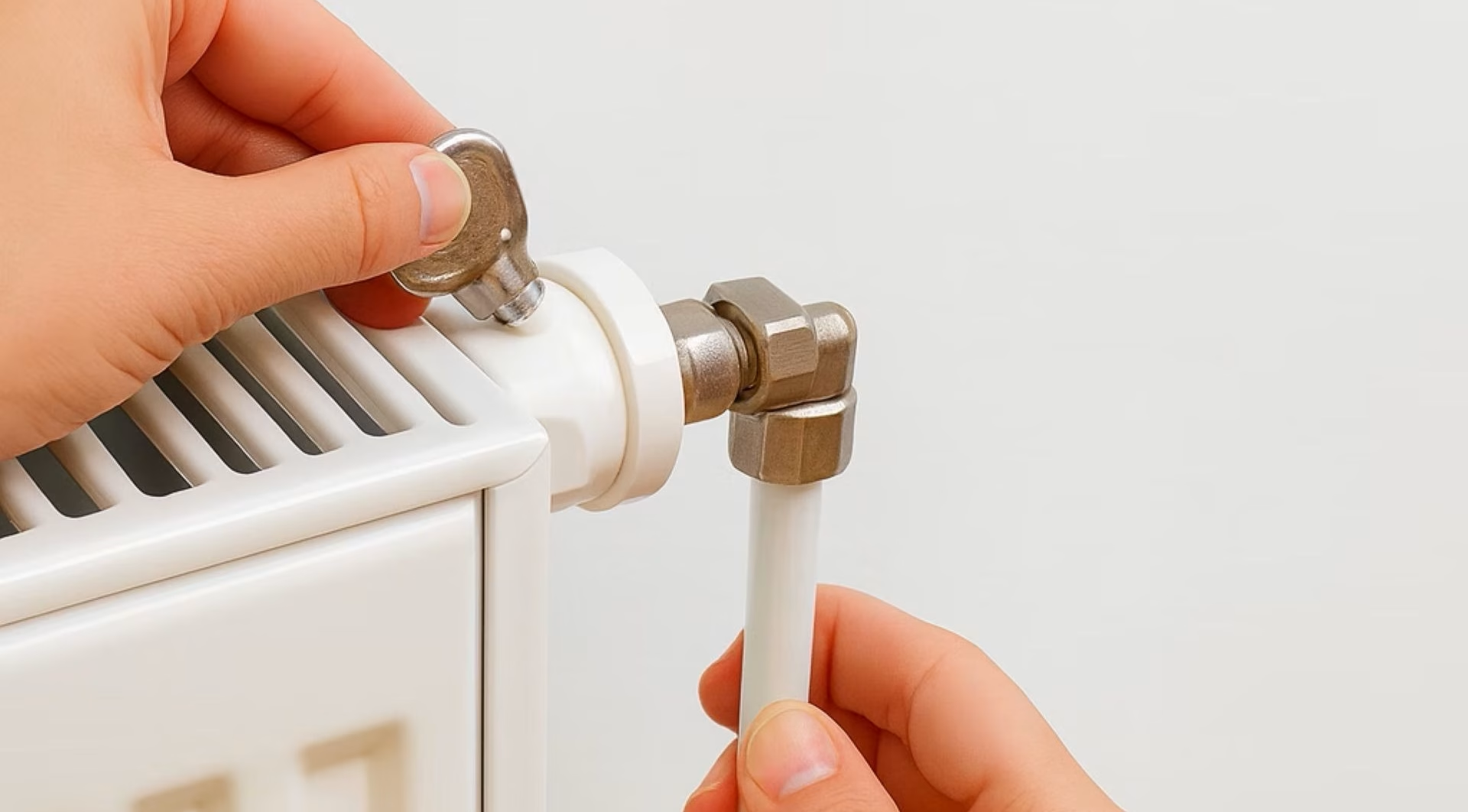

As the colder months approach, millions of UK households will soon be turning up the heating. But with energy bills already high and another rise confirmed for October, families are looking for simple ways to save. Two of the quickest tasks — each taking just five minutes — could make a real difference: bleeding radiators and checking your energy tariff.
Why radiators matter more than you think
Over time, air builds up inside radiators, stopping hot water from circulating properly. The result is cold spots, longer heating times and wasted energy. A simple bleed using a radiator key releases trapped air and restores efficiency.
For households with multiple radiators, even one or two blocked units can make the boiler work harder than it should. That means higher bills without extra warmth. By letting out the air before winter, families ensure their heating runs as efficiently as possible.
Energy experts say radiator bleeding is one of the most overlooked energy-saving steps. It costs nothing beyond a basic radiator key and takes just a few minutes per unit. The return is a warmer home and reduced energy use.
The financial equivalent: check your tariff
Just as trapped air makes a radiator less efficient, being on the wrong tariff drains household finances. Millions of families are still on default standard variable plans, which are tied to the Ofgem price cap and rarely the cheapest choice.
Taking five minutes to run an energy price comparison is the financial equivalent of bleeding your radiator. It’s a quick task that can release hidden savings. By entering a postcode, payment method and usage details, households can instantly see if better deals are available.
Switching is simpler than many think. Supply continues as normal, there’s no need to change meters, and the new provider handles the process. In most cases, it’s just a case of confirming details and letting the switch go through.
The role of dual fuel tariffs
Another option worth reviewing is whether gas and electricity are supplied together. Many households choose dual fuel tariffs for the convenience of a single bill and often lower rates.
Bundled contracts can come with discounts or loyalty rewards, making them attractive to busy families. While not always the cheapest option, dual fuel is often more cost-effective than running two separate accounts.
Why timing matters before winter
Energy use rises sharply in colder months as boilers and heaters run for longer. Securing a cheaper tariff before this seasonal spike is one of the easiest ways to avoid inflated costs.
Those who act now can lock in better deals, while those who delay may find tariffs rising again once demand increases. Bleeding radiators before switching on the heating also ensures the system is ready to run at peak efficiency.
Together, these two five-minute steps can prepare households for the months ahead.

Gas and electricity prices under pressure
Both gas and electricity costs remain volatile. Global supply changes, infrastructure upgrades and standing charges all feed into household bills.
That’s why it pays to compare gas prices and compare electricity prices regularly. Even small savings on the unit rate can add up to offset rising fixed costs.
A household that trims 5p per kilowatt hour through a new tariff could save far more than any expected increase in standing charges. When combined with an efficient heating system, the impact is even greater.
Free digital tools make it simple
Modern platforms like Free Price Compare make it quick to review the latest tariffs. By showing multiple supplier options side by side, they allow households to find the best fit for their needs without hidden charges or complex terms.
Analysts note that even modest monthly savings add up over a year. For families facing tighter budgets this winter, that breathing room can make the difference between manageable bills and financial strain.
Two small tasks, one big impact
Individually, radiator bleeding and tariff comparison may seem like minor jobs. But together, they highlight the two sides of energy savings: efficiency and cost. One makes sure every drop of heat counts, the other ensures every pound spent goes further.
Both can be done in minutes, both cost little or nothing, and both provide benefits that last all winter.
Final thought
Households cannot control standing charges or global energy markets. But they can take simple steps to reduce the impact. Bleeding radiators improves efficiency, while a five-minute energy price comparison ensures families are not overpaying.
With dual fuel tariffs, competitive unit rates and trusted platforms like Free Price Compare, the tools are there for consumers to take back control.
Before winter sets in, those five minutes could prove to be the best investment households make all year.







