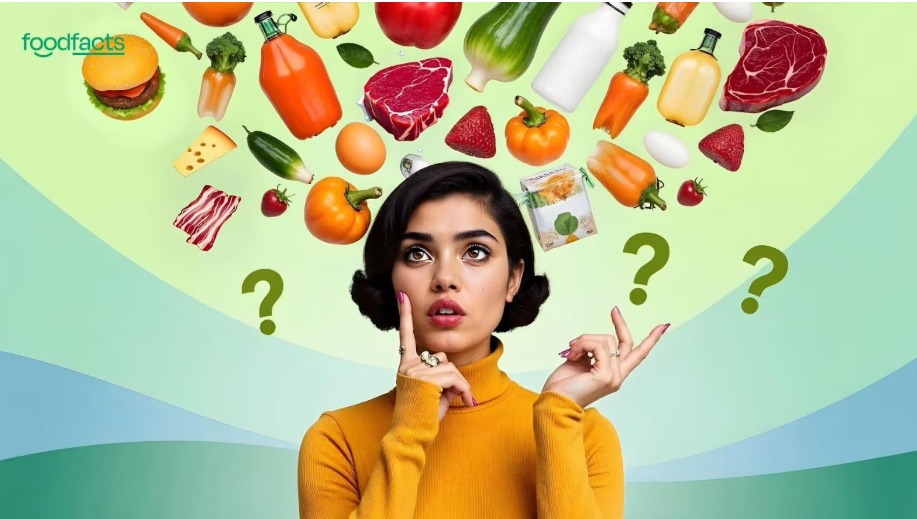

As nutrition advice floods social media feeds and influencers gain unprecedented reach, confusion about food and health is becoming increasingly common. A new platform called FoodFacts.org is stepping in to provide clarity by giving consumers a reliable, evidence-based way to assess food claims they see online.
Launched in early 2024, FoodFacts.org is an initiative by the UK-based nonprofit Freedom Food Alliance (FFA). Its goal? To empower the public to separate fact from fiction when it comes to food and nutrition. The platform was founded by digital media expert Robbie Lockie.
“We are seeing a tidal wave of nutrition claims, many of which are not rooted in credible science,” said Lockie. “Whether it’s well-meaning misinterpretation or strategic disinformation, the result is the same. The public is misled.”
Beyond Just Nutrition: A Holistic Look at Food Misinformation
What sets FoodFacts.org apart is its commitment to tackling not only viral nutrition trends, but also broader food-adjacent misinformation. This includes concerns that aren’t always covered by traditional health journalism. For example, questions about the presence of microplastics in food, how our food choices shape the climate, and media literacy like who’s really qualified to give food advice online.
The platform also explores claims that seem unrelated at first glance but are increasingly relevant in wellness circles. For example, whether household soaps or cleaning agents could contribute to cancer, or whether food labeling laws are keeping pace with consumer expectations. These are exactly the types of grey-area topics where confusion can thrive.
The team at FoodFacts publishes a new article every couple of weeks, taking time to dive deeply into each topic, investigate claims, examine sources, and provide readers with plain-language conclusions supported by science.
“Our job is to explore these claims in good faith and bring context, nuance, and credible sourcing to the table,” said Lockie. “We look at not just the science, but who’s funding it, and whether the information is being presented responsibly.”
Why Now?
The need for a platform like FoodFacts.org has never been more urgent. Platforms like TikTok, Instagram, and YouTube are saturated with “health hacks,” dietary trends, and food demonisation, often promoted by individuals with no formal background in nutrition or science. These posts can go viral in minutes, spreading far before experts have a chance to respond.
Lockie, who previously co-founded Plant Based News, highlighted this issue in a recent LinkedIn post:
“Within 10 minutes of opening Instagram, I’m bombarded with videos of influencers warning that vegetables are dangerous because of ‘anti-nutrients’. These types of claims are pushing people toward extreme diets, and it’s fuelling a health and environmental crisis.”
At the core of FoodFacts.org’s mission is the distinction between misinformation (false or misleading information shared without intent to deceive) and disinformation (deliberately deceptive content). Misinformation starts with disinformation, Lockie notes, and both are damaging to public understanding of food and health.
Built on Credibility and Transparency
FoodFacts.org is currently operated by a small team of researchers and communicators who have undergone training with Full Fact, the UK’s independent fact-checking charity. While still in its early stages, the platform is working toward compliance with the International Fact-Checking Network (IFCN) Code of Principles — a globally recognised benchmark for nonpartisan, rigorous fact-checking.
The platform is non-commercial, with no ads or product endorsements. Its work is supported by donations and grants, reinforcing its mission of objectivity, transparency, and public benefit.
“It’s easy to get swept up in fear-based narratives,” said Lockie. “We want to make it easier to access the truth and harder for misinformation to thrive.”
Whether it’s a friend sharing an alarming food headline or a trending video claiming that bananas are “basically candy in disguise,” FoodFacts.org is quickly becoming the go-to reference for consumers who want science, not spin.
Despite launching only recently, the platform has already gained impressive traction, with its articles attracting thousands of unique visitors every month. Its clear writing, evidence-backed conclusions, and lack of advertising make it stand out in a digital space often dominated by clickbait and conflicting advice.
As more readers discover the need for trustworthy information amid the noise, FoodFacts.org is proving itself not only useful but essential.