
Energy flexibility is becoming a new priority for modern businesses
For many businesses, electricity has traditionally been treated as a fixed operating expense. Companies consume power when they need it, pay the bill at the end of the month, and rarely think about how energy is managed behind the scenes.
That approach is becoming less practical.
Electricity prices are becoming more dynamic, renewable energy adoption is increasing, and many businesses are operating equipment that requires a more stable and reliable power supply. Manufacturing facilities, warehouses, commercial buildings, and data-driven operations are all facing a similar challenge: energy demand is changing faster than traditional power systems were designed to handle.
This is where energy flexibility becomes increasingly important.
Energy flexibility means the ability to adjust when and how electricity is used based on operational needs, grid conditions, or economic factors. Battery storage systems provide businesses with a practical way to gain this flexibility by allowing them to store energy when it is available and use it when it creates the most value.
Battery storage changes the way businesses interact with electricity
Without energy storage, businesses are mostly passive energy consumers. They use electricity according to production schedules, building requirements, or operational demands.
Battery storage introduces another option: timing.
Instead of consuming electricity immediately when it is generated or supplied, businesses can shift energy usage to more favourable periods.
For example, a commercial facility with rooftop solar may generate more electricity during the middle of the day than it can immediately consume. Without storage, the excess energy may be exported or remain underutilised.
With a battery system, that energy can be stored and used later when demand increases, such as during evening operations or periods when electricity prices are higher.
This ability to move energy across time is one of the main reasons businesses are investing in storage.
Reducing peak demand and controlling energy costs
One of the most common applications of battery storage in commercial environments is peak demand management.
Many electricity bills are not based only on total energy consumption. They also include demand charges, which are calculated according to the highest level of power used during a specific period.
A short increase in electricity demand—perhaps when multiple machines start simultaneously—can significantly affect monthly costs.
Battery storage helps reduce these spikes by supplying additional power during peak periods. Instead of drawing all electricity from the grid at once, the business can use stored energy to smooth the demand curve.
This approach does not necessarily require a massive battery system. The key is matching the storage system with the company’s actual load profile and operational requirements.
Supporting renewable energy without sacrificing reliability
Many businesses are adding solar generation as part of their sustainability strategies. However, renewable energy introduces a challenge: production does not always match consumption.
A factory may produce the most solar energy when demand is relatively low. A retail building may generate power during daytime hours but consume more electricity later in the evening.
Battery storage helps close this gap.
By combining renewable generation with storage, businesses can increase self-consumption, reduce dependence on grid electricity, and create a more predictable energy supply.
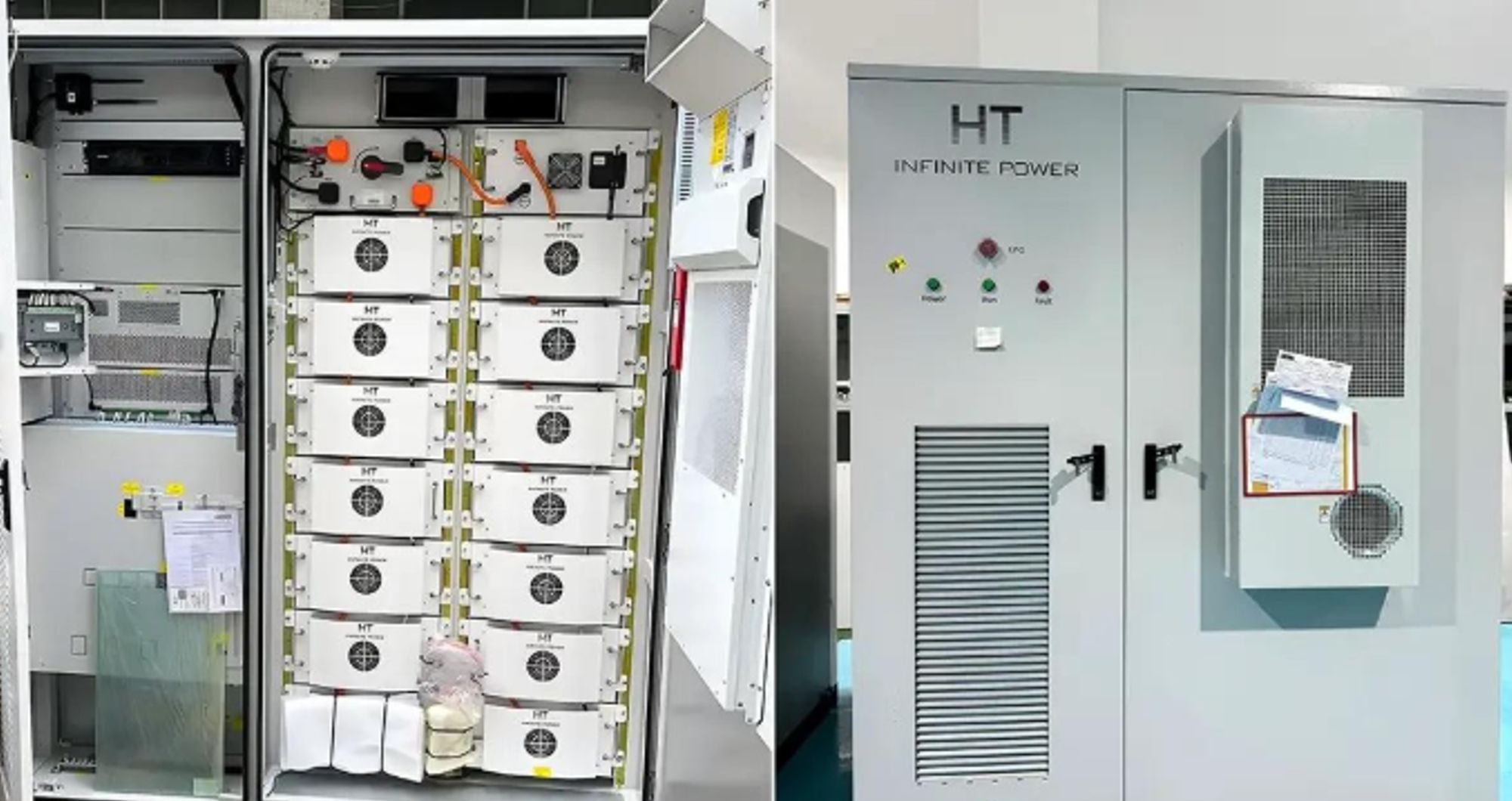
Modern commercial energy storage solutions are increasingly focused on this type of integration, connecting batteries, renewable assets, and energy management systems into a coordinated platform rather than treating storage as a standalone device.
Improving resilience in an uncertain energy environment
Energy flexibility is not only about saving money. It is also about maintaining operations when conditions become unpredictable.
Grid instability, extreme weather events, and unexpected power interruptions can affect business continuity. For industries that rely on automated equipment or continuous processes, even a short disruption may result in production losses.
Battery storage systems provide an additional layer of resilience by supporting critical loads during temporary outages or unstable grid conditions.
While storage may not replace every traditional backup solution, it allows businesses to respond faster and operate with greater confidence.
Energy management becomes smarter with storage
The real value of battery storage appears when it works together with intelligent control systems.
Energy management software can analyse electricity demand, renewable generation, battery status, and grid signals to determine when charging or discharging makes the most sense.
Over time, this creates a more adaptive energy environment.
Instead of simply consuming electricity, businesses gain the ability to actively manage their energy resources.
This shift is important because future energy systems will not only focus on producing more electricity—they will focus on using electricity more intelligently.
Conclusion: Flexibility is the next step in business energy management
Battery storage systems are changing how businesses think about energy. They are no longer just backup equipment or a way to store excess renewable power.
They are becoming tools for improving flexibility, reducing costs, supporting sustainability goals, and strengthening operational reliability.
For businesses facing changing energy prices, growing renewable adoption, and increasing demand for stable power, the ability to control when energy is used can become a significant advantage.
The future of commercial energy management will not simply depend on having enough energy. It will depend on having the flexibility to use energy in the right way, at the right time.