

Picture a Tuesday morning: one child needs a permission slip signed, another has soccer practice at 5 PM, your partner is asking about dinner plans, and somewhere in the chaos, a dentist appointment got missed last week. Sound familiar? For most busy families, the daily struggle to stay coordinated isn’t just stressful — it quietly erodes the sense of calm that every household deserves.
The root of the problem is surprisingly simple: there’s no single, accessible place where everyone can see what’s happening. Phones get locked, apps get ignored, and sticky notes disappear. What families actually need is a centralised, physical anchor for their schedule — something everyone can glance at the moment they walk through the door.
That’s exactly where a dedicated to do list planner stand comes in. A well-designed solution like the Everblog calendar stand transforms any wall into a functional family command centre. Built with a sturdy aluminium frame and a secure screw-on install, it keeps your digital calendar visible, stable, and accessible every single day. Throughout this article, we’ll explore why this approach works, how to set it up, and how to make it a habit your whole family actually uses.
Why Every Busy Family Needs a Centralised To-Do List Planner
Most families aren’t disorganised by choice — they’re overwhelmed by the sheer volume of moving parts. Between school schedules, work deadlines, extracurricular activities, and household tasks, the average family juggles dozens of commitments every week. Without a single, reliable system to track all of it, things slip through the cracks. A missed doctor’s appointment here, a forgotten field trip form there — these aren’t signs of bad parenting or poor planning. They’re the predictable result of not having one shared source of truth that everyone can access instantly.
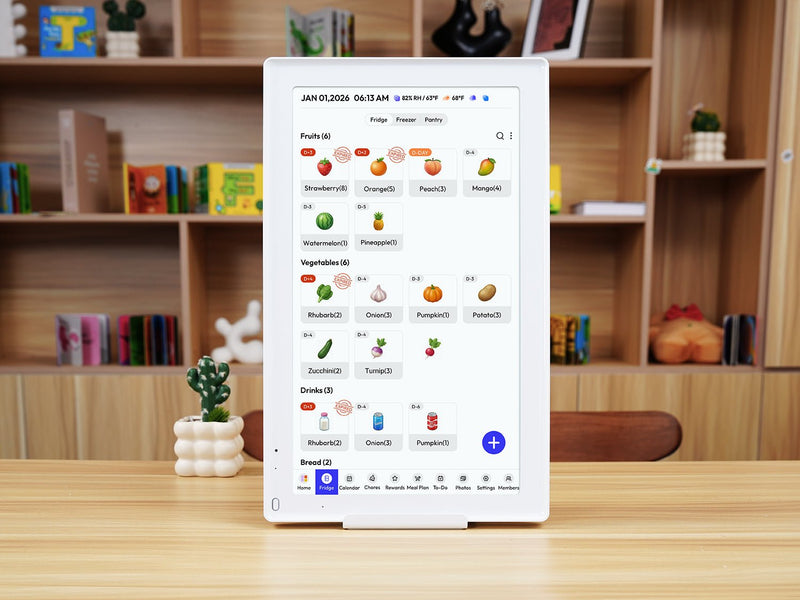
Digital calendars on smartphones seem like the obvious fix, but they come with a fundamental flaw: they require active engagement. Someone has to open the app, navigate to the right date, and remember to check it in the first place. Kids can’t access a parent’s locked phone, and partners often maintain separate calendars that never quite sync up. The result is a household where everyone is technically “organised” individually but collectively flying blind.
A physical to-do list planner stand solves this by making the family schedule impossible to ignore. When your calendar is mounted at eye level in a high-traffic area — the kitchen, the entryway, the hallway — it becomes part of the environment rather than another app competing for attention. Family members absorb information passively just by moving through the space. There’s no login required, no notification to dismiss, no screen to unlock.
This is the real power of a planner stand: it bridges the gap between the digital tools you already use and the physical world your family actually lives in. It transforms an abstract schedule into a visible, shared reality — one that naturally reduces communication gaps, prevents double-booking, and gives every family member, including young children, a stake in the household routine.
Introducing the Everblog Calendar Stand: A Durable Aluminium Solution
When families start looking for a physical calendar display solution, they quickly discover that most options fall into two disappointing categories: flimsy plastic stands that wobble and tip, or adhesive mounts that damage walls and lose grip over time. The Everblog calendar stand was designed specifically to address these shortcomings, offering a level of build quality that matches the demands of an active household.
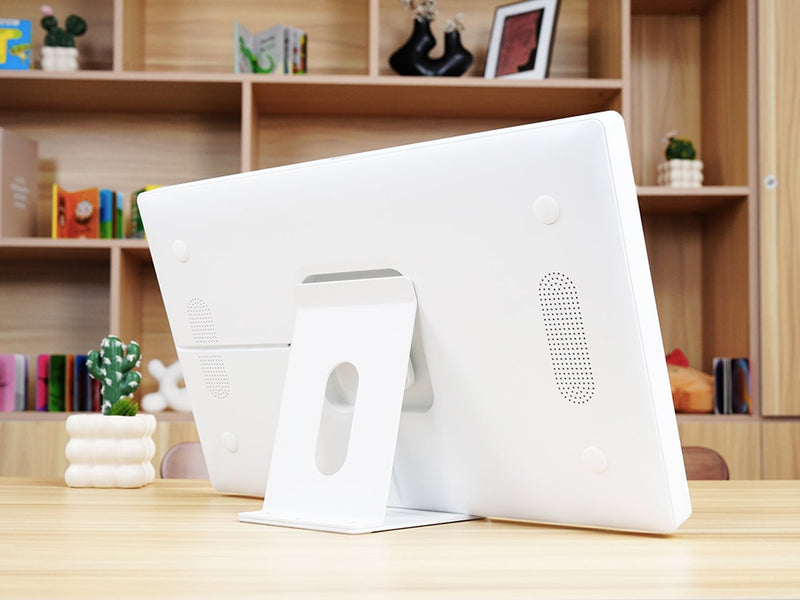
At the core of its design is an aluminium frame construction — a material choice that matters more than it might initially seem. Aluminium doesn’t flex under the weight of a tablet or digital display, doesn’t corrode in humid environments like kitchens, and maintains its structural integrity through years of daily use. This isn’t a stand you’ll be replacing every season. For families who’ve grown frustrated watching cheaper alternatives sag, scratch, or simply fail, the difference is immediately noticeable.
What sets the Everblog stand apart as a home organisation tool is how it integrates with the digital calendars families already rely on. Rather than asking you to abandon Google Calendar, Apple Calendar, or any other platform, it simply gives your existing digital schedule a permanent, visible home. Mount your tablet or display device in the stand, pull up your shared family calendar, and suddenly that information is available to everyone — no passwords, no navigation, no friction.
Key Features of the Aluminium Stand for Family Use
The stand’s build is engineered for high-traffic placement. Its secure screw-on install means it won’t shift when a child reaches up to check their practice schedule, and the aluminium frame won’t develop the stress cracks that plague plastic alternatives over time. The design keeps the display at a readable angle for adults and older children alike, making it genuinely accessible rather than technically present. For households with younger kids, the absence of sharp edges and the stability of a wall-mounted unit — versus a freestanding one that could tip — adds a meaningful layer of everyday safety.
Step-by-Step Guide to Screw-On Install and Setup
A calendar stand only works as a family command centre if it’s mounted in the right place, at the right height, and secured firmly enough that it stays put through years of daily interaction. The Everblog stand’s screw-on install is designed to be straightforward for most homeowners, but taking the time to do it properly makes the difference between a display that feels permanent and one that gradually loosens over time.
Tools and Preparation for Installation
Before you pick up a drill, spend a few minutes on location. The ideal spot is a high-traffic wall that every family member passes at least once in the morning — the kitchen near the breakfast area, the entryway hallway, or the mudroom beside the door. Avoid walls that get direct sunlight for extended periods, which can wash out a screen and make the display harder to read. Once you’ve chosen your wall, gather what you’ll need: a power drill with appropriate drill bits for your wall type (drywall versus tile versus concrete requires different bits), a bubble level, a pencil for marking, wall anchors if you’re not drilling into a stud, and a screwdriver. If you’re mounting into drywall without hitting a stud, use toggle anchors rated for at least twice the weight of your display device — this is the single most common installation mistake that leads to a stand pulling away from the wall over time.
Detailed Screw-On Installation Steps
Start by holding the mounting bracket against the wall at your chosen height — typically between 48 and 60 inches from the floor works well for adults and older children. Use a pencil to mark each screw hole location through the bracket. Set the bracket aside and use your bubble level to confirm the marks are perfectly horizontal; even a slight tilt becomes visually obvious once the display is loaded. Drill pilot holes at each marked point, then insert wall anchors if needed. Position the aluminium bracket back against the wall, align it with the holes, and drive the screws in firmly — snug but not overtightened, which can strip the anchor or crack drywall. Give the mounted bracket a firm tug in multiple directions to verify it doesn’t shift. Attach the Everblog frame to the bracket according to the included hardware, then seat your tablet or display device into the frame. Power it on, open your shared family calendar, and set the screen to stay on continuously or wake on a short timer. Finally, run a quick safety check: confirm there are no exposed edges at child height and that all cables are routed cleanly against the wall to eliminate both tripping hazards and the temptation for small hands to pull on them.
Optimising Daily Family Organisation with Your Planner Stand
Installing the stand is just the beginning. The real value comes from building it into the rhythms of your household so consistently that checking it becomes as automatic as grabbing a morning coffee. The most effective approach is to treat the stand not as a passive display but as an active coordination tool — one that every family member interacts with deliberately, not just glances at occasionally.
Start with your digital calendar setup before anything else. If your family isn’t already using a shared calendar platform, Google Calendar and Apple Calendar both allow multiple members to view and edit a single family calendar from their own devices. Colour-code each family member with a distinct colour so anyone can scan the week at a glance and immediately identify whose commitments are whose. Set recurring events for standing obligations — weekly practices, school pickups, work schedules — so the baseline is always populated without manual entry each week.
The single most impactful routine you can establish is a brief morning check-in at the stand. It doesn’t need to be a formal family meeting — even 60 seconds of everyone glancing at the day’s layout before leaving the house dramatically reduces the “I didn’t know about that” moments that derail afternoons. For younger children, point out their specific events by name: “See the green block? That’s your swim class today.” This builds the habit of calendar awareness from an early age.
Practical Tips for Busy Families
Keep the system alive by assigning one family member — rotating weekly among adults — as the calendar owner responsible for adding new events within 24 hours of them being scheduled. Delayed entry is where most shared calendar systems quietly collapse. For kids who are old enough, give them editing access so they can add their own commitments, which increases buy-in and reduces the burden on parents to capture everything. Pair the stand with a small whiteboard or notepad mounted nearby for urgent, short-term notes that don’t warrant a full calendar entry — a permission slip due tomorrow, a reminder to call the paediatrician. This keeps the digital calendar clean while still capturing the daily noise of family life. Review the upcoming week together every Sunday evening, even briefly, to catch conflicts before they become crises.
From Daily Chaos to Calm: Making the Planner Stand Work for Your Family
Family life doesn’t slow down on its own — but with the right system in place, it becomes far more manageable. Throughout this article, we’ve seen how the absence of a single, shared reference point quietly drives the missed appointments, communication gaps, and daily scrambles that wear families down over time. A dedicated to-do list planner stand addresses that problem at its root by making your family’s schedule visible, physical, and impossible to overlook.
The Everblog calendar stand brings the durability and reliability that this kind of daily-use solution demands. Its aluminium construction holds up in the busiest household environments, and the secure screw-on install means it stays exactly where you put it — year after year. Rather than replacing the digital tools your family already uses, it gives those tools a permanent, accessible home that every family member can engage with naturally throughout the day.
The investment is modest; the return is real. Fewer missed commitments, less morning chaos, and a household where everyone — including the kids — knows what’s happening and when. If your family is ready to trade reactive scrambling for proactive coordination, start by choosing your wall, mounting your stand, and making that first shared calendar view a permanent fixture of your home. The calm you’re looking for is closer than you think.
Feature Image by freepik