
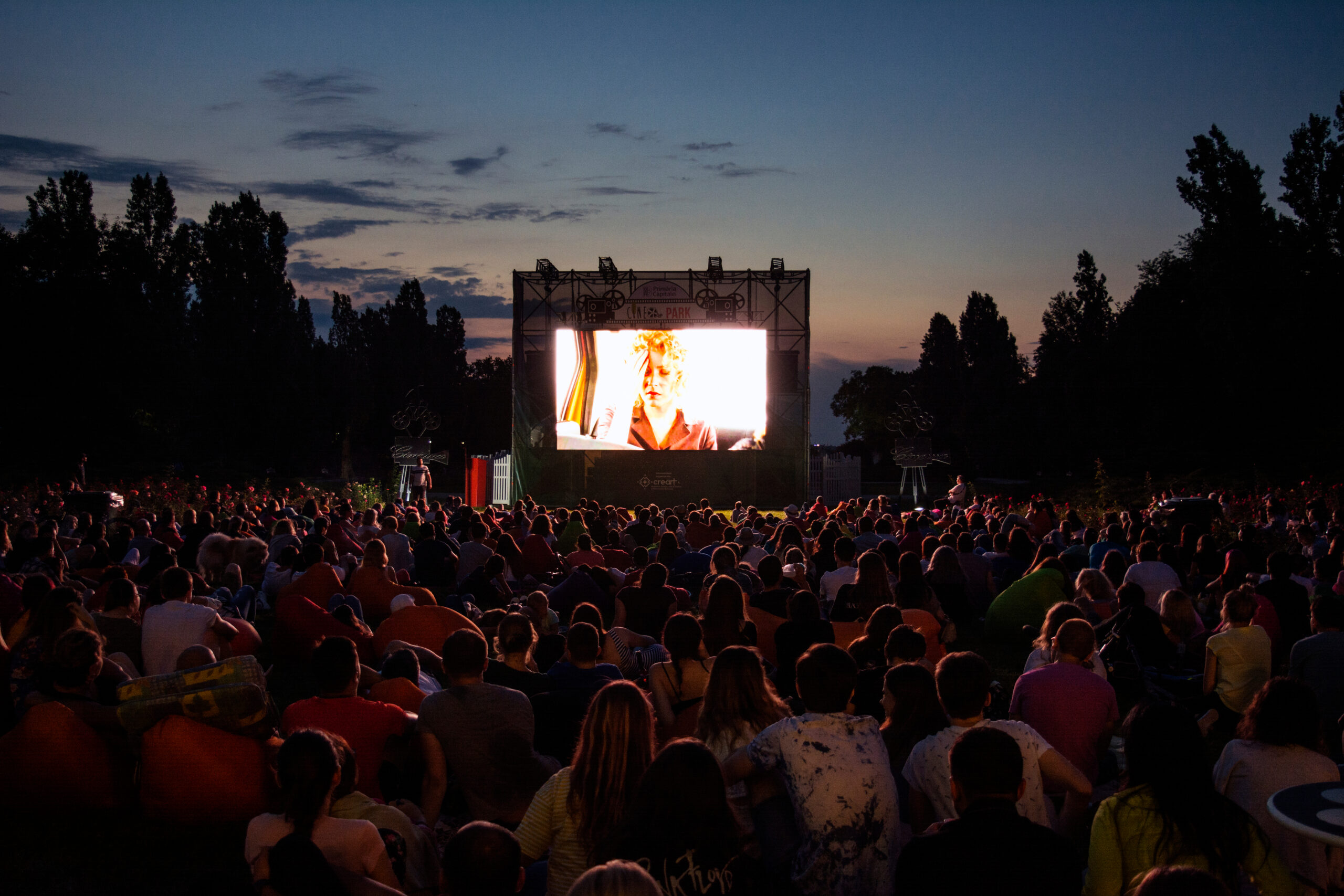
In an era where movies have become an integral part of our culture and entertainment, it is essential to ensure that everyone, regardless of their abilities, can enjoy the magic of cinema, whether that’s at home, in the cinema or at outdoor summer screenings.
Thanks to many accessibility features, visually impaired people can enjoy movies as much as everyone else.
While the visually impaired community face unique challenges when it comes to watching movies, advancements in technology and the incorporation of accessibility features have made it possible for them to immerse themselves in the audio-visual experience just like any other moviegoer.
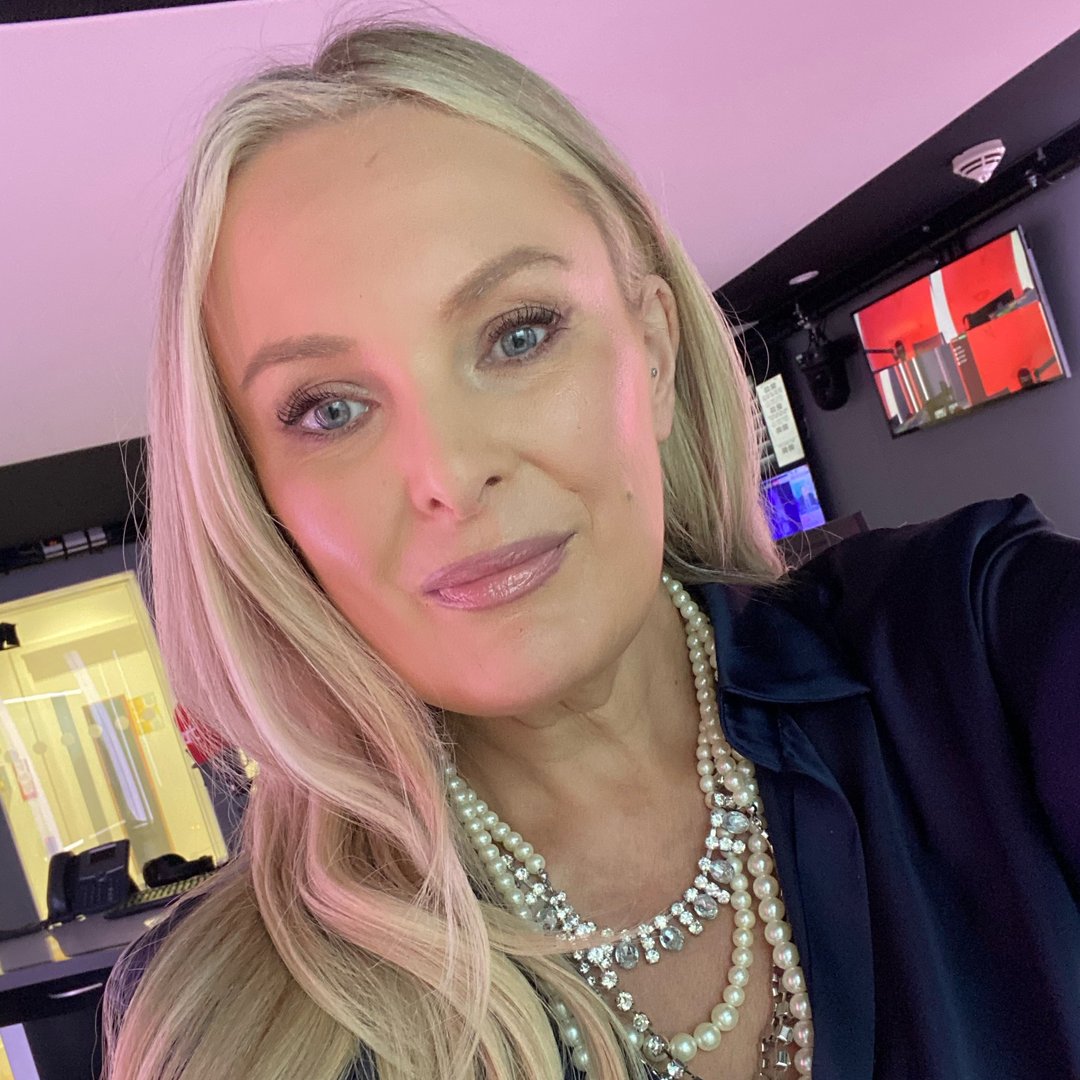
This article by Seema Flower who is registered blind and has only 2% vision, explores the ways in which blind people and those who are visually impaired, can watch movies and she highlights the significance of these accessibility features.
Audio Description
One of the primary means by which individuals who experience sight loss can engage with movies is through audio description.
This feature involves an additional audio track that provides a description of the visual elements of a film, such as actions, facial expressions, scenery, and other important details.
These descriptions are carefully timed and inserted into natural pauses in the dialogue, allowing blind viewers to follow the narrative and visualise the scenes unfolding.
Audio description significantly enhances the movie-watching experience for blind individuals, offering them a richer understanding of the story and the cinematic world.
Assistive Listening Devices
Another crucial aspect of inclusive movie-watching for the visually impaired is the availability of assistive listening devices.
These devices, often provided at cinemas, allow individuals to receive amplified sound directly into their ears, enabling them to hear the dialogue and sound effects more clearly amidst the ambient noise.
By using these devices, blind viewers can fully immerse themselves in the auditory aspects of the movie, ensuring they do not miss out on any crucial dialogue or audio cues.
Closed Captioning and Subtitles
While closed captioning and subtitles are typically designed for individuals with hearing impairments, they also play a significant role in making movies accessible for the visually impaired.
By providing a textual representation of dialogue, sound effects, and other audio cues, closed captioning and subtitles offer blind viewers an additional layer of information to complement the audio description.
This enables them to better understand and follow the movie’s dialogue, enhancing their overall movie-watching experience.
Tactile Interpretation and Companion Assistance
In some cases, blind individuals may benefit from the tactile interpretation or companion assistance during movie screenings.
Tactile interpretation involves a trained professional who uses touch and gesture to convey key visual elements of the film to the viewer.
This can include describing the characters, their movements, and other essential details.
Companion assistance involves a sighted person sitting beside the blind individual, providing additional verbal descriptions and clarifications when necessary. These forms of support ensure that blind viewers can fully appreciate the visual aspects of the film in a more personalised and interactive manner.
Home Entertainment and Streaming Services
With the rise of home entertainment and streaming services, blind individuals have greater access to a wide range of movies and TV shows.
Platforms like Netflix and Amazon Prime Video offer audio description tracks and closed captioning options, making it easier for visually impaired viewers to enjoy movies in the comfort of their own homes.
The proliferation of accessible media players and smart TVs with built-in accessibility features further expands the options available to blind individuals, allowing them to customize their movie-watching experience according to their preferences.
Alternatively, blind people can use TV remote controls with voice command features. For instance, you can use the Alexa voice remote to guide you. Or a visually-impaired person could launch movie-streaming services on your smart TV using Amazon Alexa and Google Home.
Here is everything you need to know about the Google Home app.
Visually impaired Sky customers will now be able to access customer support via live video calls with Sky’s Accessibility customer support team.
Through these live calls, the customer support team can look at tech set-up for Sky TV and Sky Broadband and help to set up or resolve any technical issues, experienced by the customer.
Sky has already taken several important steps towards inclusivity, with Sky Glass and Sky Q offering features such as ‘Voice Guidance’ and ‘Voice Control’.
These features provide navigational guidance for people with a sight impairment, enabling them to find what they are looking for with helpful audio cues.
Other accessibility features available include audio description, high contrast, subtitles and highlighting of shows in the TV Guide which have audio description, subtitles, or sign language to make them easier to find.
The Be My Eyes partnership was announced on Global Accessibility Awareness Day which took place on May 18th and focuses on driving awareness for digital access and inclusion for the more than one billion people who live with disabilities or impairments.
About Seema Flower and Blind Ambition
Seema Flower is one of the 100 most influential disabled people in the UK in 2020 according to the Shaw Trust Power 100 list.
She is a driven and passionate advocate of equality and has been training organisations in Disability Awareness issues for over 25 years.
Seema is a qualified and experienced career advisor. She has run her own business in central London for 13 years and therefore understands the importance of balancing reasonable adjustments with business needs. Seema only has 2% vision.







