
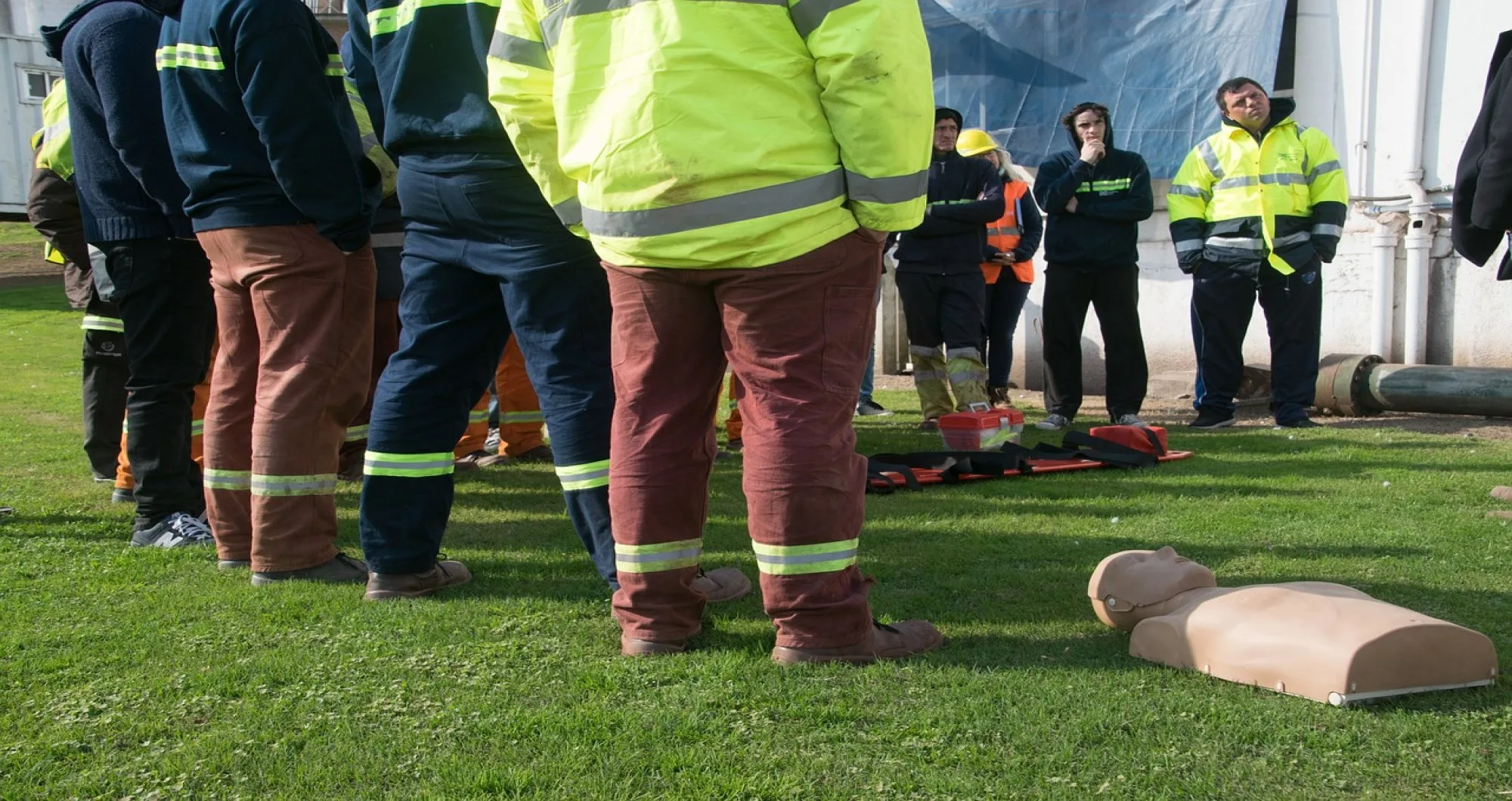

Understanding how to respond to an emergency can make the difference between life and death. CPR (Cardiopulmonary Resuscitation) and First Aid training equip learners to act quickly during emergencies. With more than 350,000 cardiac arrest incidents occurring annually in the U.S., having these skills not only prepares you to help in critical situations but also increases the chances of recovery. Getting CPR first aid certification can be a valuable and empowering experience.
What is CPR and First Aid?
Cardiopulmonary Resuscitation is a life-saving technique. CPR is administered when a person’s heart stops beating or if they stop breathing. It involves giving chest compressions and rescue breaths to keep blood and oxygen flowing to the brain and other important organs until professional help arrives. CPR should be initiated immediately if someone is experiencing a heart attack, drowns, or is choking.
First aid is the immediate care you give to someone who is hurt or sick before medical professionals can take over. This includes things like bandaging cuts, treating burns, managing broken bones, and performing the Heimlich manoeuvre for choking. Learning first aid helps you deal with minor injuries and stabilise more serious ones, giving crucial help in the first moments of an emergency.
How Does CPR and First Aid Certification Training Work?
Knowing how to act quickly in emergencies is crucial, and CPR first aid certification gives you the skills to do just that. By becoming certified, you gain the confidence and capability to respond to emergencies and potentially save lives.
Basic steps of CPR:
Follow these steps to administer CPR effectively:
- Assess Safety and Responsiveness:
- Ensure the scene is safe.
- Check if the person responds by shaking and shouting.
- Call for Help:
- Dial emergency services or get someone to call.
- Retrieve an AED if available.
- Check Breathing:
- Look, listen, and feel for breathing (max 10 seconds).
- If absent or gasping, start CPR.
- Chest Compressions:
- Place hands on the chest centre, one on top of the other.
- Push hard and fast, 2 inches deep, 100-120 per minute.
- Rescue Breaths (if trained):
- After 30 compressions, give 2 breaths.
- Tilt the head, lift the chin, pinch the nose, and breathe until the chest rises.
- Continue CPR:
- Repeat 30 compressions and 2 breaths until help arrives or an AED is used.
- Use an AED:
- Follow AED prompts, apply pads, and ensure no one touches the person during analysis and shock delivery.
Basic First Aid Steps:
Follow these steps to administer first aid effectively:
- Assess the Scene:
- Ensure safety before approaching the injured person.
- Call for Help:
- Call emergency services for serious injuries.
- Provide Immediate Care:
- Bleeding: Apply pressure and elevate if possible.
- Burns: Cool with water and cover with a clean bandage.
- Fractures: Immobilise the area; do not move.
- Choking: Perform abdominal thrusts if the person cannot breathe.
- Shock: Lay the person down, elevate the legs, and keep warm.
- Monitor and Reassure:
- Keep an eye on their condition and provide comfort.
- Be ready to perform CPR if they become unresponsive.
Who Should Get CPR First Aid Certification?
CPR first aid certification is valuable for anyone looking to be prepared for emergencies. While many people think this training is only for healthcare professionals, there are numerous other situations where having these skills can be crucial. Whether you’re in a professional setting or simply want to be prepared at home or in your community, certification can make a significant difference.
Healthcare Professionals:
- Doctors, nurses, and paramedics need to stay updated with CPR and First Aid skills as part of their job requirements.
- Ensures they can provide immediate care in emergencies.
Parents and Caregivers:
- Learn how to respond to accidents and health issues that may occur with children or elderly family members.
- Helps in managing minor injuries and serious situations at home.
Teachers and Coaches:
- Provides the skills needed to handle injuries and emergencies in a school or sports setting.
- Enhances the safety of students and athletes.
Workplace Safety Officers:
- Important for those responsible for ensuring a safe working environment.
- Helps in dealing with workplace accidents and medical emergencies.
Community Members:
- Anyone interested in being a responsible and prepared citizen.
- It enables you to assist in emergency situations at home, in public places, or during community events.
Benefits of CPR First Aid Certification
Whether for personal growth, career advancement, or community safety, CPR first aid certification is a valuable investment. Other benefits include:
- Immediate Response Capability:
- It gives you the skills to act quickly in emergencies, potentially saving lives.
- It helps you remain calm and effective during stressful situations.
- Increased Confidence:
- Boosts your self-assurance in handling emergencies.
- It prepares you to manage both minor injuries and serious health crises.
- Enhanced Job Prospects:
- It can be a requirement or a desirable qualification for various jobs, including those in healthcare, education, and public safety.
- It makes you a more attractive candidate for roles involving responsibility for others’ safety.
- Improved Safety in Your Community:
- Allows you to contribute to the safety and well-being of those around you.
- It enables you to provide assistance during community events or in public spaces.
- Peace of Mind:
- It provides reassurance that you can handle emergency situations effectively.
- It helps you feel more prepared and less anxious about unexpected incidents.
Wrapping Up
CPR first aid certification is a powerful way to prepare yourself for emergencies. This training equips you with essential skills that can make a life-saving difference in critical situations. By becoming certified, you can boost your confidence and enhance your position across various roles, from healthcare and education to everyday life. Investing in CPR and First Aid training ensures you’re ready to respond effectively when it matters most.







