
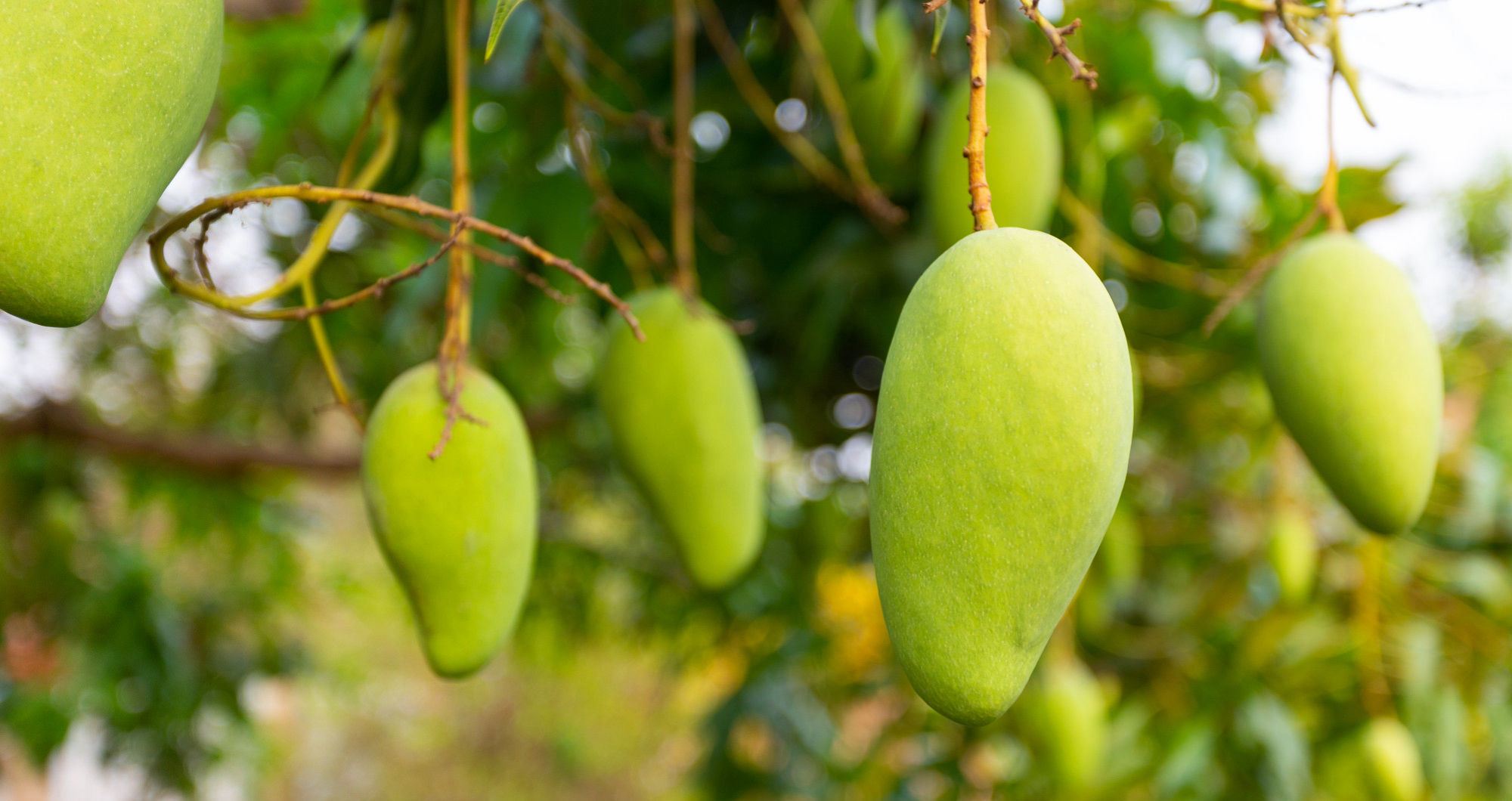

British shoppers have quietly become some of the most enthusiastic mango consumers in Europe. Over the past decade, mango has moved from a niche exotic fruit to a supermarket staple, sitting alongside apples and bananas in the fresh produce aisle. Behind that shift lies a complex global supply chain, and Egypt has emerged as one of its most important links. As the 2026 harvest season approaches, it is worth examining what Egyptian mango imports actually mean for UK retailers, pricing on supermarket shelves, and the way British consumers are choosing and eating the fruit.
Egypt produces close to two million tonnes of mango each year across more than 100,000 hectares of orchards. The country’s harvest runs from late June through to November, covering a window that few other origins can match. For a fresh fruit exporter from Egypt, the UK represents a premium destination where certified, well-graded fruit commands strong prices. Egyptian exporters have invested heavily in accreditations such as GLOBALG.A.P., GRASP, and SMETA to meet the compliance requirements of British supermarket buyers, and that investment is now paying off in the form of growing shelf presence across major chains.
Why UK Retailers Are Turning to Egypt
UK supermarkets source mango from several origins throughout the year, including Brazil, Peru, the Ivory Coast, and Pakistan. Each origin covers a different seasonal window, and Egypt fits neatly into the summer and early autumn slot when European and South American supplies begin to thin out. This makes Egyptian fruit particularly valuable to buyers who need to maintain consistent availability without resorting to expensive air freight.
There are several practical reasons why UK retailers find Egyptian mango attractive:
- The harvest season is long, running from July to November, which allows retailers to plan phased orders rather than committing to a single large shipment.
- Egypt’s proximity to the UK, via Mediterranean and Atlantic sea routes, keeps freight costs lower than those from origins in South or Southeast Asia.
- The variety range is broad, covering everything from large, low-fibre Kent mangoes suited to premium lines to firm, transport-friendly Keitt fruit ideal for value ranges.
- Egyptian exporters increasingly hold the food safety and ethical trade certifications that UK supermarket supplier codes require as standard.
The Impact on UK Shelf Prices
One of the most direct effects of Egyptian mango imports on British consumers is pricing. During the summer months, when Egyptian fruit arrives in volume, retail prices for fresh mango in the UK tend to stabilise or dip slightly compared to the spring period, when supply is tighter and sourcing relies more heavily on air-freighted fruit from West Africa or South America. The availability of competitively priced Egyptian mango during August and September gives supermarkets the flexibility to run promotional pricing, which in turn drives higher volumes through the category and introduces the fruit to shoppers who might otherwise consider it too expensive.
Discount retailers and mid-market supermarkets have been particularly active in sourcing Egyptian fruit, using it to underpin own-label mango lines at accessible price points. Premium retailers, meanwhile, tend to focus on specific varieties such as Kent or Naomi, marketing them on flavour credentials and provenance.
Varieties and What They Mean for British Shoppers
Not all mangoes on UK shelves are the same, and the variety mix coming from Egypt has a direct bearing on the eating experience British consumers get. Understanding the key varieties helps explain why some supermarket mangoes consistently receive better reviews than others.
Kent
Large, rich, and low in fibre, Kent is the variety most commonly found in premium UK supermarket lines. Its deep flavour and smooth texture make it well-suited to consumers who want a dessert-quality eating experience.
Keitt
A late-season variety that stays green even when ripe, Keitt confuses some British shoppers who associate ripeness with a red or yellow skin. Retailers have responded with ripeness indicators and on-pack guidance to help consumers identify when the fruit is ready to eat.
Naomi and Osteen
Both varieties offer attractive colouring and a good shelf life, making them popular choices for supermarkets that need fruit to hold condition across a multi-day distribution cycle. Their visual appeal also supports impulse purchasing at the fixture.
Owis and Tommy Atkins
These robust varieties are workhorses of the value segment, offering reliable flavour and strong transport performance. They are commonly found in multi-buy promotions and budget supermarket lines.
Shifting Consumer Trends
British consumer interest in mango has grown steadily, driven by the popularity of cuisines from South Asia, the Caribbean, and the Middle East, as well as the fruit’s strong association with health and wellness. Smoothie culture, meal-prep content on social media, and the rise of tropical fruit snacking have all contributed to higher baseline demand. Egyptian imports, arriving at the right time of year and at accessible price points, have helped supermarkets meet that demand without significant supply gaps.
Conclusion
Egyptian mango imports are no longer a minor footnote in the UK fresh produce calendar. They play a meaningful role in keeping supermarket shelves stocked through the summer and early autumn, supporting competitive retail pricing, and giving British consumers access to a wide range of varieties at different quality tiers. As Egyptian orchards continue to mature and exporters raise their compliance standards, the country’s influence on the UK mango market is likely to grow further in the seasons ahead.







