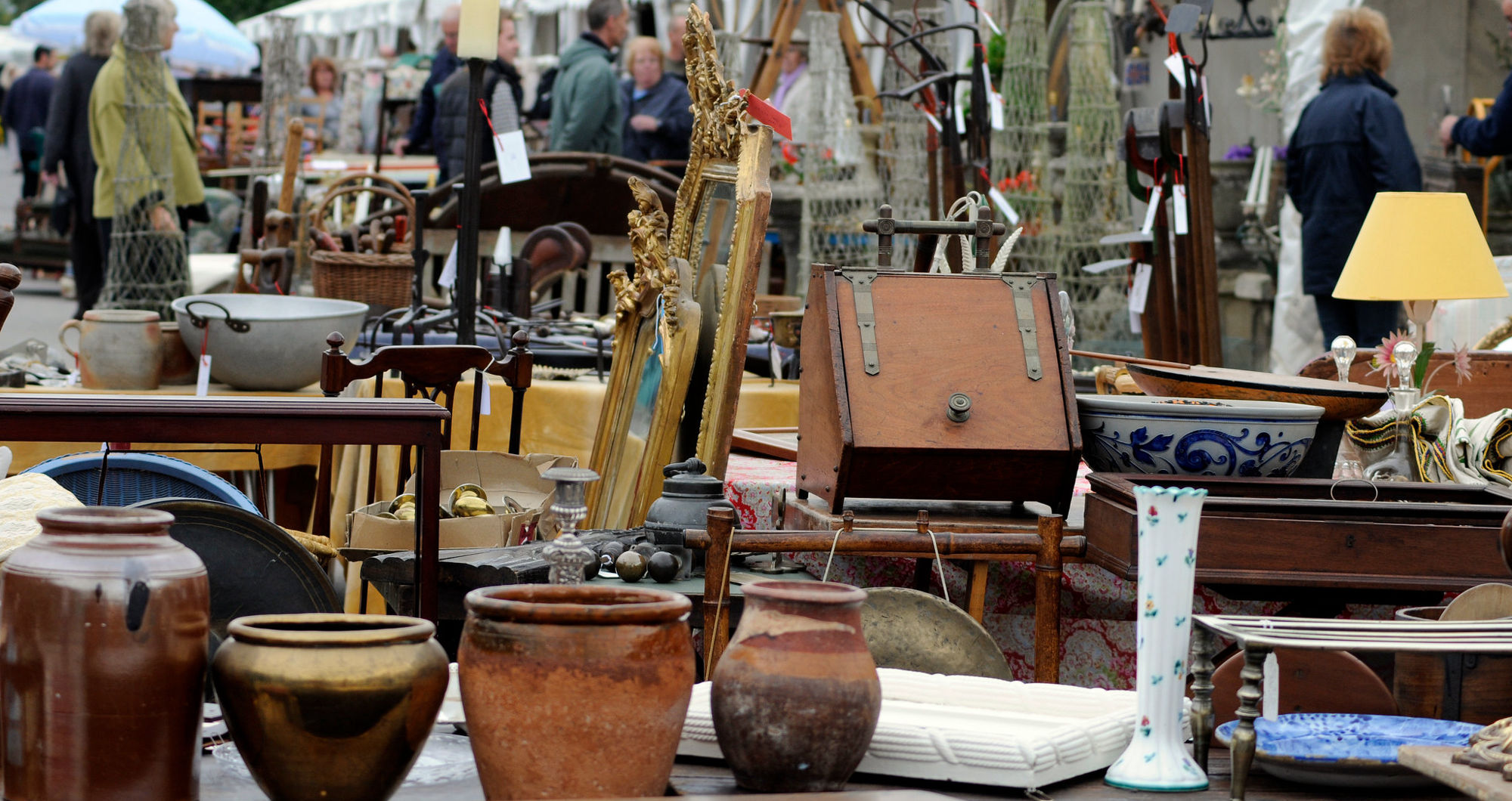

London stands as one of the world’s premier destinations for antique collectors and dealers. The city’s auction houses handle billions of pounds worth of historical artefacts each year, from Georgian silver to Victorian jewellery. Understanding this market offers insights into both British history and modern collecting trends.
The British antique market generates approximately £2 billion annually, according to the British Antique Dealers’ Association. London accounts for nearly 40% of this trade. Major auction houses like Christie’s and Sotheby’s grab headlines with record-breaking sales, but smaller regional houses play an equally important role in keeping historical objects in circulation.
Collectors worldwide monitor London’s auction calendar for rare finds. American buyers represent a growing segment of this market, often working with specialised firms like Gold Standard Auctions to source British antiques and precious metals. These international connections strengthen the global antique trade while preserving cultural artefacts.
What Makes British Antiques Special
British craftsmanship from the 17th through 19th centuries set standards that collectors still prize today. Georgian silversmiths created pieces with hallmarks that tell precise stories about their origin and date. Victorian jewellers incorporated techniques and materials from across the British Empire. Each period left distinct markers that experts use to authenticate and value pieces today.
The hallmarking system provides one example of British influence on global collecting standards. Since 1300, British law has required precious metal items to bear specific marks indicating purity, maker, and assay office. This system created a traceable history for millions of objects. Collectors can decode these marks to verify authenticity and provenance.
Regional variations add another layer of interest. Edinburgh silver differs from London silver in subtle but important ways. Welsh love spoons follow patterns distinct from English examples. Irish glass from Waterford commands premiums over similar English pieces. These regional differences create specialised collecting niches.
Current Market Trends
Several trends shape today’s London antique market. Younger collectors show increasing interest in mid-century modern pieces rather than traditional Georgian and Victorian items. Asian buyers, particularly from China, seek specific categories like jade, porcelain, and items with Imperial connections. Environmental consciousness drives demand for vintage and antique furniture over new production.
Brexit created both challenges and opportunities for the market. New customs procedures complicated EU transactions, but the weaker pound attracted international buyers. According to LAPADA (The Association of Art & Antiques Dealers), international online sales increased 45% between 2020 and 2023.
Technology transforms how people buy and sell antiques. Online-only auctions now account for 60% of lots sold at many houses. Virtual viewing rooms let collectors examine pieces in detail from anywhere. Blockchain technology begins to appear in provenance documentation, though traditional paper trails remain standard.
Categories That Command Premium Prices
Certain categories consistently perform well in London auctions. English furniture from renowned makers like Thomas Chippendale or George Hepplewhite attracts serious collectors. An authenticated Chippendale chair can sell for £50,000 to £500,000 depending on provenance and condition.
Silver represents another strong category. Georgian tea sets, Victorian centrepieces, and Edwardian flatware maintain steady demand. Weight, maker, date, and condition determine value. A complete service by a famous maker like Paul Storr might bring £100,000 or more.
Jewellery markets fluctuate with fashion and precious metal prices. Art Deco pieces from the 1920s and 1930s see particularly strong interest. Natural pearls, once common in Victorian jewellery, now command extraordinary premiums due to rarity. Signed pieces by houses like Garrard or Asprey multiply values significantly.
Clocks and watches form a specialised but active market. English longcase clocks, particularly those by London makers, attract collectors worldwide. Early marine chronometers, important to British naval history, can exceed £50,000 at auction.
How Auction Houses Operate
Understanding auction house operations helps both buyers and sellers navigate the market successfully. Most houses charge sellers (vendors) commissions between 10% and 25% of the hammer price. Buyers pay additional premiums, typically 25% to 30% on top of the hammer price.
Cataloguing represents a major portion of auction house work. Specialists research each lot, verify authenticity, note condition issues, and estimate values. This process can take weeks for important sales. Detailed catalogue descriptions protect both the house and buyers from disputes.
Reserve prices protect sellers from selling below acceptable levels. Houses negotiate reserves with vendors before sales. If bidding fails to reach the reserve, the lot passes unsold. Success rates (percentage of lots sold) indicate market strength and house reputation.
Marketing drives auction success. Houses court-specific collector groups for specialised sales. A good auctioneer understands their audience and paces sales accordingly. Pre-sale exhibitions allow hands-on inspection, building confidence and competition among bidders.
Authentication and Condition Issues
Authentication challenges persist across all collecting categories. Forgeries range from crude attempts to sophisticated deceptions requiring scientific analysis to detect. Reputable auction houses employ specialists and sometimes scientific testing to verify authenticity.
Condition affects value dramatically. A chip on porcelain or worn hallmarks on silver can reduce values by 50% or more. Restoration presents complex issues. Period repairs might add historical interest, while modern restoration often reduces value. Collectors must understand these distinctions.
Provenance adds significant value when documented properly. Objects with noble ownership, exhibition history, or publication in reference books command premiums. Letters, receipts, and photographs supporting provenance become valuable themselves.
Building a Collection
Successful collecting requires knowledge, patience, and strategy. New collectors should focus on specific areas rather than buying broadly. Attending auctions as an observer teaches bidding dynamics and price levels. Handling objects at pre-sale viewings develops crucial experience in judging quality and condition.
Reference books remain invaluable despite online resources. Miller’s Antiques Handbook, published annually, tracks market trends and prices. Specialised references for specific collecting areas provide deeper knowledge. Building a library parallels building a collection.
Relationships matter in the antique trade. Dealers and auction house specialists share knowledge with serious collectors. Other collectors provide advice and sometimes trade opportunities. Joining collector societies opens doors to expertise and private sales.
Setting budgets and sticking to them requires discipline. Auction excitement can lead to overpaying. Successful collectors know their limits and wait for the right pieces at the right prices. Missing one opportunity usually means another appears later.
London’s Role in the Global Market
London connects collectors, dealers, and institutions worldwide. The city’s free port facilities allow valuable objects to move without immediate customs duties. This advantage attracts international trade beyond just British antiques.
Museum deaccessions sometimes appear in London auctions, offering opportunities to acquire museum-quality pieces. Export licenses required for certain cultural objects leaving the UK can complicate international purchases, but rarely stop sales.
The social season around major London auctions creates networking opportunities. Asian Art Week, Master Paintings Week, and other focused periods concentrate expertise and inventory. Collectors plan trips around these events to maximise viewing and buying opportunities.
Future Outlook
The London antique market faces both opportunities and challenges ahead. Generational wealth transfer means significant collections will come to market over the next decade. Digital natives entering the market bring different expectations about transparency and transaction methods.
Sustainability concerns favour antiques over new production. Carbon footprint calculations make buying existing objects rather than manufacturing new ones increasingly attractive. This environmental argument may attract younger collectors who previously showed limited interest in antiques.
Education initiatives by trade organisations work to develop new collectors. Programs teaching valuation, conservation, and collecting strategies aim to sustain market growth. Online courses and virtual lectures reach global audiences, expanding the collector base beyond traditional geographic limits.
The London antique market continues evolving while maintaining traditions stretching back centuries. Whether seeking investment opportunities or objects of beauty and historical importance, collectors find that London’s auction houses offer unmatched depth and variety. Understanding market dynamics, authentication challenges, and collecting strategies helps participants succeed in this fascinating field where history, art, and commerce intersect.