
The way businesses approach sales is changing dramatically. In the past, many companies relied heavily on large sales teams to generate leads and close deals. However, modern entrepreneurs are increasingly shifting away from this traditional model. Instead of hiring big teams, they are focusing on building automated sales systems that can scale quickly and effectively. This approach is not only more cost-effective but also allows for greater efficiency and growth.
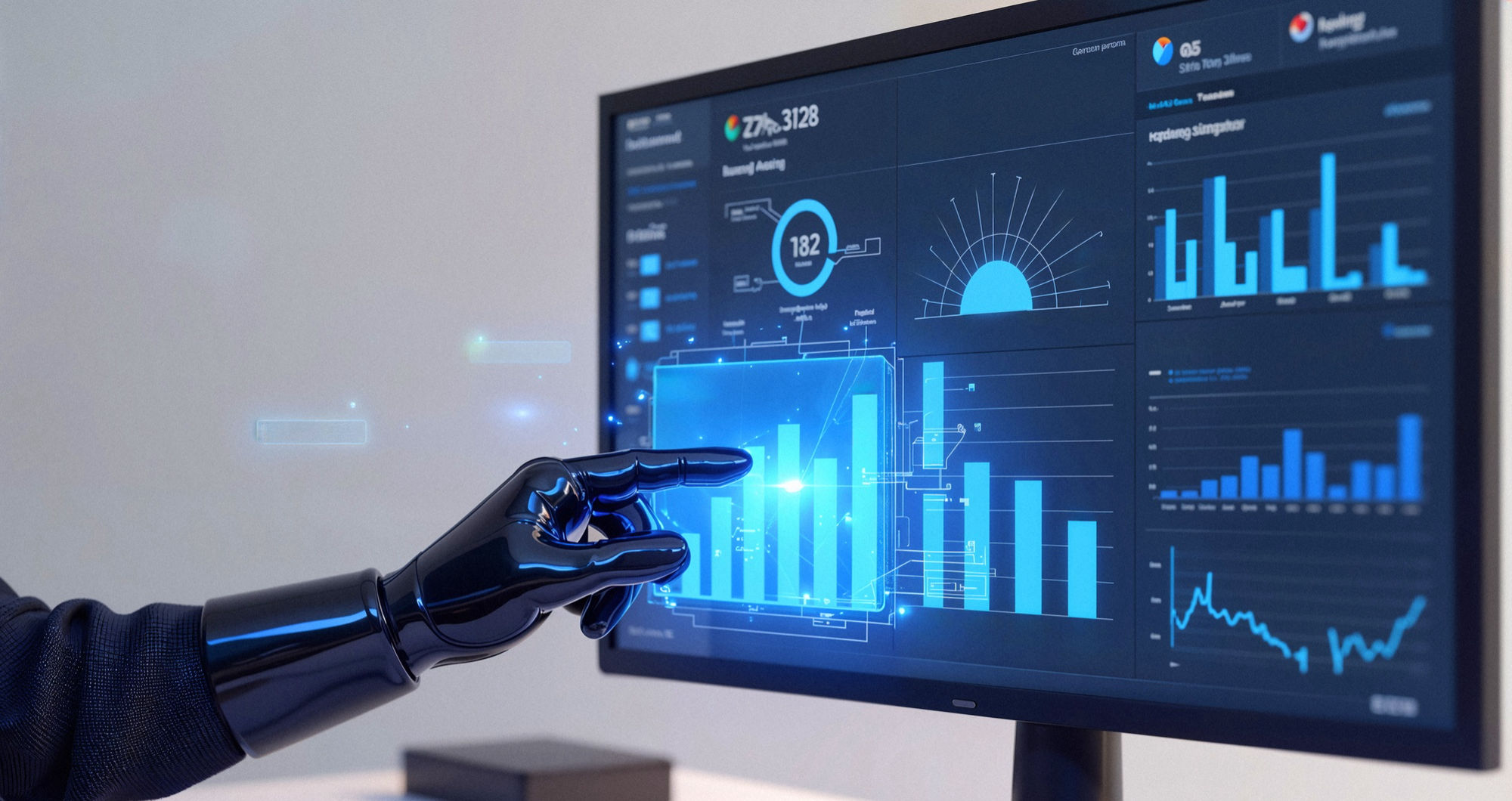
A sales system is essentially a streamlined, automated process that helps businesses attract and convert customers without the need for a large sales force. These systems use tools like CRM software, marketing automation, and artificial intelligence to handle lead generation, customer communication, and follow-up tasks. By automating repetitive tasks and using data to make informed decisions, businesses can focus on strategic growth rather than spending time on manual sales activities.
Entrepreneurs today are using these systems to achieve higher conversion rates, faster customer acquisition, and greater scalability. They can now handle larger customer volumes without significantly increasing overhead costs. This shift is especially important in the fast-paced digital world, where speed and efficiency are key to staying ahead of the competition.
The Rise of Automation in Sales
The traditional sales model often involved a team of salespeople working to connect with prospects, pitch products, and negotiate deals. While this method worked in the past, it is no longer as effective in today’s digital landscape. Modern entrepreneurs are leveraging automation to replace many of the tasks that once required a human touch.
Marketing automation platforms are one of the core components of these sales systems. These platforms help entrepreneurs automate tasks like email campaigns, social media management, and content distribution. They can also score leads based on engagement, ensuring that sales teams or systems focus on the most promising prospects.
Yarden Morgan, Director of Growth at Lusha, explains how automation plays a crucial role in modern sales systems. “At Lusha, we use automated systems to provide high-quality data and insights to our clients. These systems allow us to reach out to the right people with the right message at the right time. Automation doesn’t replace the need for human connection, but it helps scale outreach efforts without losing the personal touch.” His team’s success in building automated outreach systems has helped them grow rapidly and efficiently.
Sales automation not only makes the process more efficient but also allows businesses to maintain a personalised experience for each customer. By automating the administrative tasks of sales, entrepreneurs can focus on building stronger relationships with customers and strategising for growth.
Artificial Intelligence and Data-Driven Sales
Artificial intelligence (AI) is another critical factor in building scalable sales systems. AI tools can analyse customer behaviour, predict which leads are most likely to convert, and personalise communications based on individual preferences. By using AI to process large volumes of data, entrepreneurs can make smarter decisions and optimise their sales strategies.
AI tools also allow for predictive analytics, which helps businesses understand customer needs before they even ask. For example, if a potential customer is browsing certain products on a website, AI can trigger a personalised email offering more information or a discount. This level of customisation can significantly increase conversion rates, as customers feel that their specific needs are being addressed.
Runbo Li, Cofounder and CEO of Magic Hour, emphasises the role of AI in customer engagement. “At Magic Hour, we use AI to enhance our customer interactions and create personalised content for every user. AI allows us to scale content creation while still keeping it engaging and relevant. We’ve been able to connect with a massive audience through AI-generated videos and images, and this technology has been a game-changer for us.” His company’s success with AI-driven content creation shows how powerful this technology can be for scaling customer engagement.
AI can also be used to automate customer support, handle inquiries, and provide recommendations. These AI-powered chatbots and virtual assistants can handle common customer questions, leaving the human sales team to focus on more complex tasks. This leads to quicker responses and higher customer satisfaction.
Building a Sales Funnel with CRM Systems
CRM (Customer Relationship Management) systems have become a vital tool for entrepreneurs looking to build scalable sales systems. CRMs help businesses organise and track customer interactions throughout the sales funnel. These systems store valuable customer data, which can be used to tailor communications and drive conversions.
Modern CRMs integrate with other tools in the sales system, such as marketing automation platforms and AI-driven analytics. This integration allows entrepreneurs to create a seamless flow of information between different parts of the business. Sales teams can easily access customer data, understand where each lead is in the sales process, and make informed decisions on how to approach each prospect.
Justin Herring, Founder and CEO of YEAH! Local highlights the importance of CRM systems in modern sales strategies. “We rely heavily on CRM tools to track our clients’ journey from initial contact to final sale. These systems help us stay organised and allow us to personalise our outreach efforts based on real-time data. With the right CRM, we can identify the most promising leads and focus our efforts where they matter most. It’s all about being data-driven and making decisions that lead to the highest return on investment.”
The use of CRMs allows businesses to scale their sales efforts by automating follow-up emails, managing customer relationships, and creating personalised sales experiences. It also provides entrepreneurs with detailed analytics, allowing them to see which strategies are working and which need to be refined.
Scalability and Efficiency in Sales Operations
One of the biggest advantages of building a sales system instead of relying on a large sales team is the ability to scale efficiently. Traditional sales teams require significant resources—hiring, training, salaries, commissions, and overhead costs. As businesses grow, this model can become unsustainable.
Sales systems, on the other hand, require fewer resources and can scale rapidly. Entrepreneurs can focus on fine-tuning their processes, increasing automation, and using data to drive decisions. The systems handle much of the heavy lifting, freeing up entrepreneurs to focus on strategic growth and expanding their product offerings.
In many cases, sales systems can operate with minimal human intervention, reducing the risk of human error and improving efficiency. As long as the systems are well designed and continually optimised, they can handle increasing volumes of leads, customers, and sales without requiring significant additional resources.
Conclusion: The Future of Sales in Entrepreneurship
As the business landscape continues to evolve, entrepreneurs are finding that sales systems, rather than large teams, offer a sustainable and scalable solution to growth. By leveraging automation, artificial intelligence, and CRM systems, entrepreneurs can streamline their sales processes, drive conversions, and reduce overhead costs.
Yarden Morgan, Runbo Li, and Justin Herring have shown that building efficient, data-driven systems is the key to growth in today’s competitive marketplace. By focusing on automation and technology, entrepreneurs can create sales strategies that not only scale but also foster strong, personalised relationships with their customers.
The key takeaway is clear: modern sales strategies are all about building systems that work smarter, not harder. Entrepreneurs who embrace these technologies can achieve sustainable growth without the need for large, expensive sales teams. The future of sales is in systems that can operate autonomously while still providing a personalised experience for every customer.