
In recent years, global manufacturing has entered a new phase defined by precision, automation, and scalability. From aerospace components to medical devices, the demand for tighter tolerances and faster production cycles has driven rapid innovation in CNC machining technologies.
What was once considered a traditional subtractive process is now at the centre of Industry 4.0 transformation. Today’s machining operations are no longer just about cutting metal—they are about integrating digital systems, predictive analytics, and high-efficiency production workflows.
The Shift Toward High-Precision, High-Volume Production
Manufacturers across Europe and North America are facing a common challenge: how to maintain quality while increasing output. This is especially critical in industries where even micron-level deviations can lead to system failure.
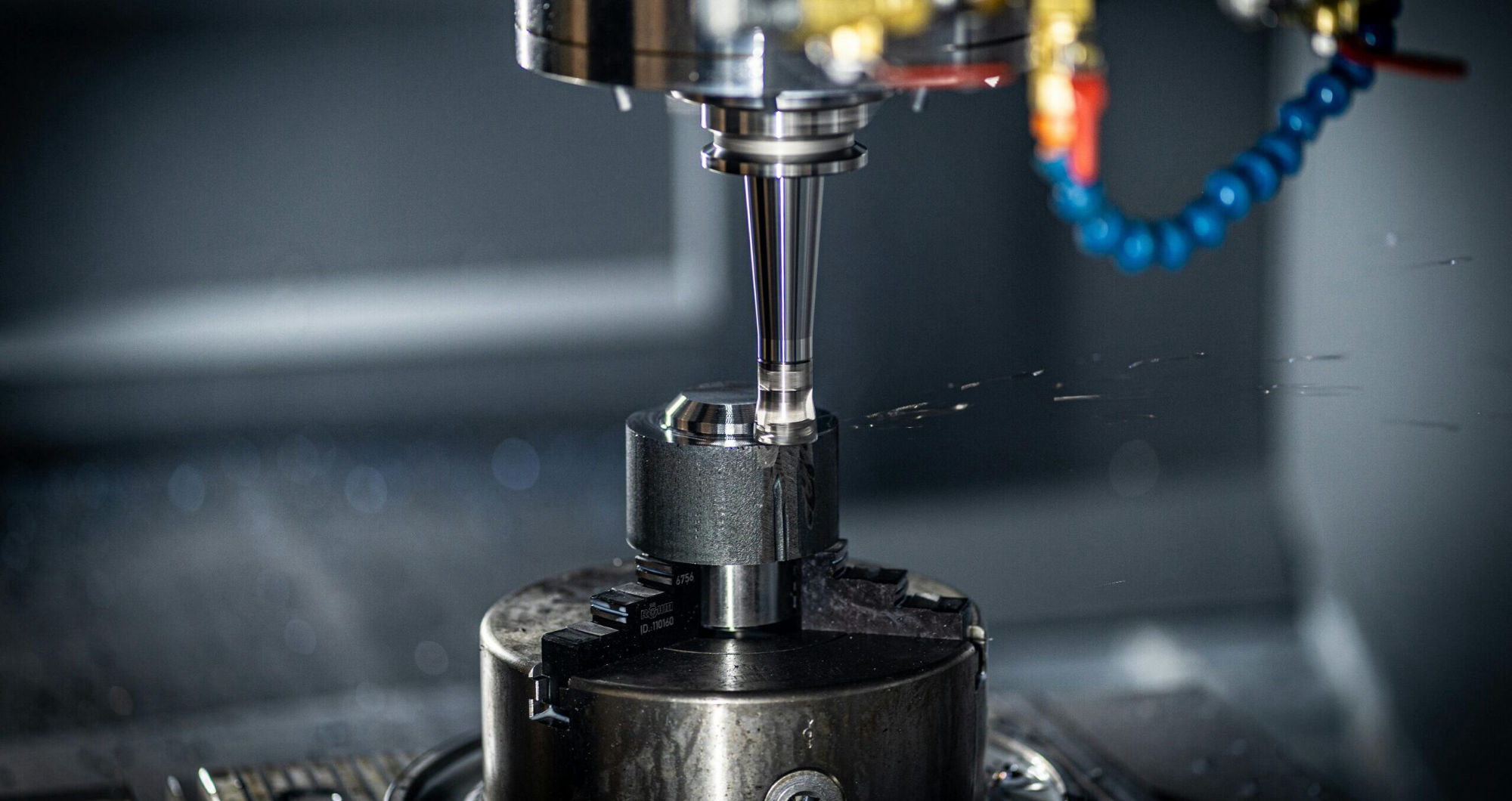
Modern CNC turning and milling technologies are addressing this challenge by enabling repeatable, high-precision production at scale. Companies investing in advanced turning capabilities are seeing significant improvements in both consistency and lead time.
For example, advanced multi-axis systems—like those used in high-performance CNC turning centres—allow complex geometries to be produced in a single setup. This reduces human intervention, minimises error accumulation, and increases throughput.
Businesses looking to understand these capabilities in more depth can explore how modern turning solutions are applied in real-world production environments:
https://www.falconcncswiss.com/cnc-turning-center/
Why CNC Turning Remains a Core Manufacturing Process
Despite the rise of additive manufacturing, CNC turning continues to play a critical role in producing cylindrical and rotational components with exceptional accuracy.
Industries such as automotive, fluid control, and electronics rely heavily on turned parts for shafts, connectors, and fasteners. The ability to maintain tight tolerances while ensuring cost-efficiency makes CNC turning indispensable.
Precision-focused manufacturers are increasingly optimising their workflows around turning processes. By combining Swiss-type machining with automated bar feeding systems, they can achieve both high volume and high accuracy simultaneously.
A closer look at precision components produced through this method can be found here:
https://www.falconcncswiss.com/cnc-turning-precision-parts.html
Digital Integration: The Rise of Smart Machining
One of the most significant trends shaping manufacturing today is digital integration. Smart factories are no longer theoretical—they are operational realities.
Modern CNC machines are now equipped with sensors that monitor tool wear, vibration, and temperature in real time. This data is fed into centralised systems, allowing manufacturers to predict maintenance needs and avoid costly downtime.
Additionally, digital twins are being used to simulate machining processes before production begins. This reduces trial-and-error, shortens development cycles, and improves first-pass yield rates.
These innovations are particularly valuable in high-volume environments, where even small inefficiencies can scale into significant losses.
Supply Chain Resilience Through Localised Manufacturing
Global supply chain disruptions over the past few years have pushed many companies to rethink their sourcing strategies. As a result, there has been a noticeable shift toward localised and regional manufacturing.
Precision machining providers are playing a key role in this transition by offering flexible, scalable production capabilities closer to end markets.
Companies like Falcon CNC Swiss have positioned themselves within this evolving landscape by combining precision engineering with responsive production systems. Their ability to deliver consistent quality across both prototype and mass production runs makes them valuable partners in a more decentralised manufacturing ecosystem.
Learn more about their full capabilities and manufacturing approach:
https://www.falconcncswiss.com/
Sustainability and Material Efficiency
Sustainability is becoming an increasingly important factor in manufacturing decisions. While machining is inherently a material-removal process, advancements in tooling and process optimisation are helping reduce waste.
High-efficiency cutting tools, optimised tool paths, and better coolant systems are all contributing to improved material utilisation. Additionally, the use of recyclable metals such as aluminium, brass, and stainless steel supports more sustainable production cycles.
Manufacturers are also adopting energy-efficient machines and integrating renewable energy sources into their operations, further reducing their environmental footprint.
The Future of Machining: Automation Meets Expertise
Looking ahead, the future of machining lies in the balance between automation and human expertise.
While automation can significantly improve efficiency, skilled engineers and machinists remain essential for process optimisation, quality control, and innovation. The most successful manufacturers are those that combine advanced technology with deep technical knowledge.
As global demand for precision components continues to grow, companies that invest in both areas will be best positioned to compete.
Conclusion
Precision machining is no longer just a supporting function in manufacturing—it is a driving force behind innovation, efficiency, and resilience.
From smart factories to localised supply chains, the evolution of CNC machining is reshaping how products are designed, produced, and delivered. As industries continue to demand higher quality and faster turnaround times, the role of advanced machining technologies will only become more critical.
For manufacturers and buyers alike, understanding these trends is essential to staying competitive in an increasingly complex global market.