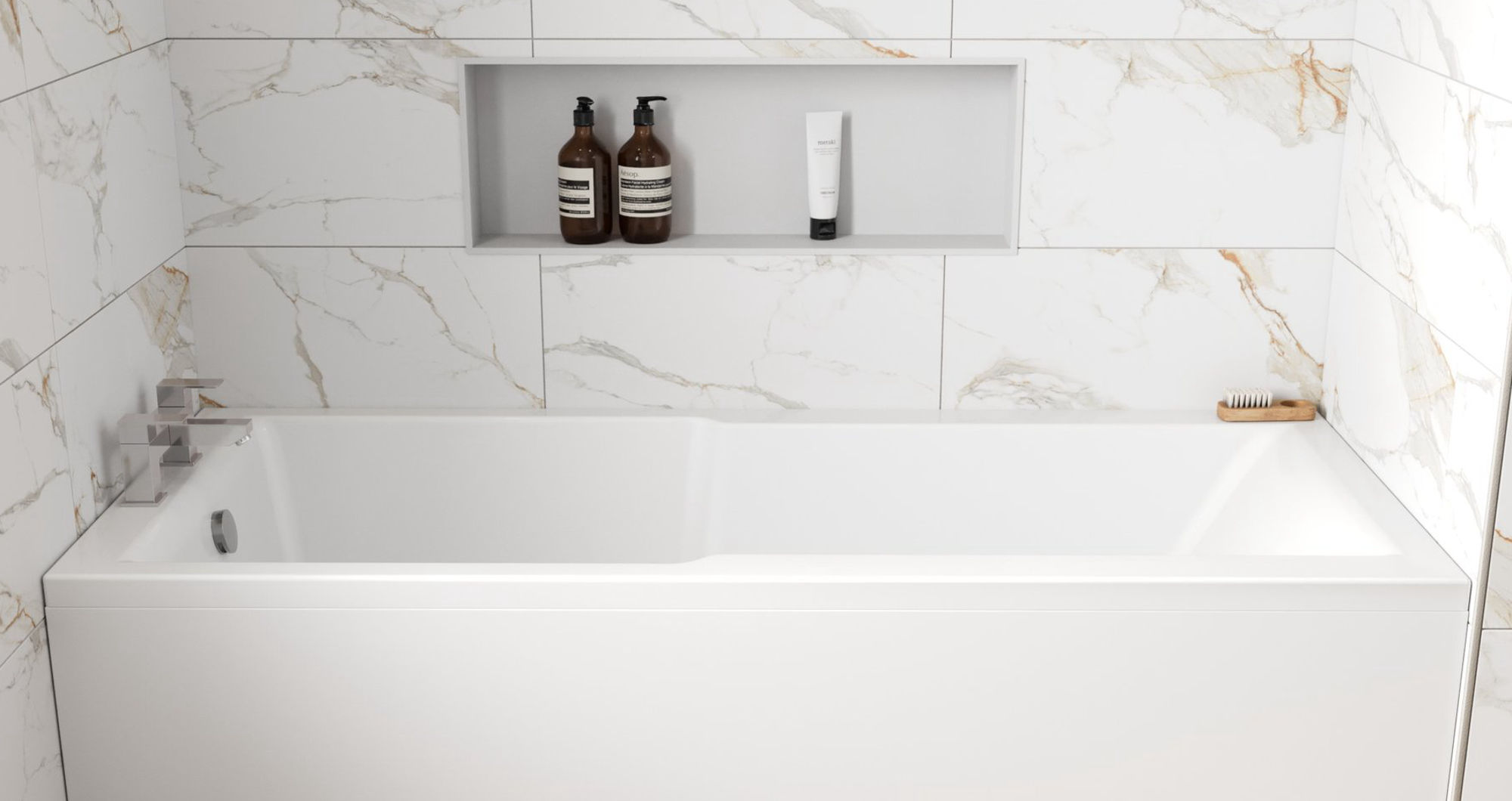

A bath should feel like one of the most relaxing features in the home, but if it is difficult to clean, it can quickly become one of those chores you absolutely loathe. Soap scum, limescale, water marks and product residue can all build up over time, especially in busy bathrooms or homes with hard water.
When choosing a new bath, it is easy to focus on shape, size and style first. However, the material can make a big difference to how easy it is to keep looking fresh. A smooth, non-porous surface will usually be much easier to wipe down, while rougher or worn surfaces can hold onto grime. Online bathroom retailer Plumbworld explains how to choose the right bath that not only suits your needs, but is easy to keep clean.
Why bath material matters
The easiest bath to clean is usually one that has a smooth surface that does not cling to soap residue or oils. Over time, older baths can become harder to maintain if the surface becomes scratched, chipped or worn, as dirt has more places to settle.
This is why choosing the right material from the start can make everyday cleaning feel much more manageable. It can also help the bathroom look brighter and better cared for with less effort.
Acrylic baths are the easiest everyday option
For most homes, acrylic is one of the easiest bath materials to keep clean. It is lightweight, affordable and available in a wide range of styles, making it a popular choice for family bathrooms, en-suites, and smaller spaces.
The main benefit of acrylic is its smooth, non-porous surface. This means it does not tend to hold onto grime in the same way that some other materials can. In most cases, a mild bathroom cleaner and a soft cloth are enough to keep it looking fresh.
The one thing to avoid is harsh scrubbing. Abrasive pads or strong cleaners can scratch the surface, and once scratches appear, they can start to collect dirt. Treat acrylic gently and it is a very practical, low-maintenance choice.
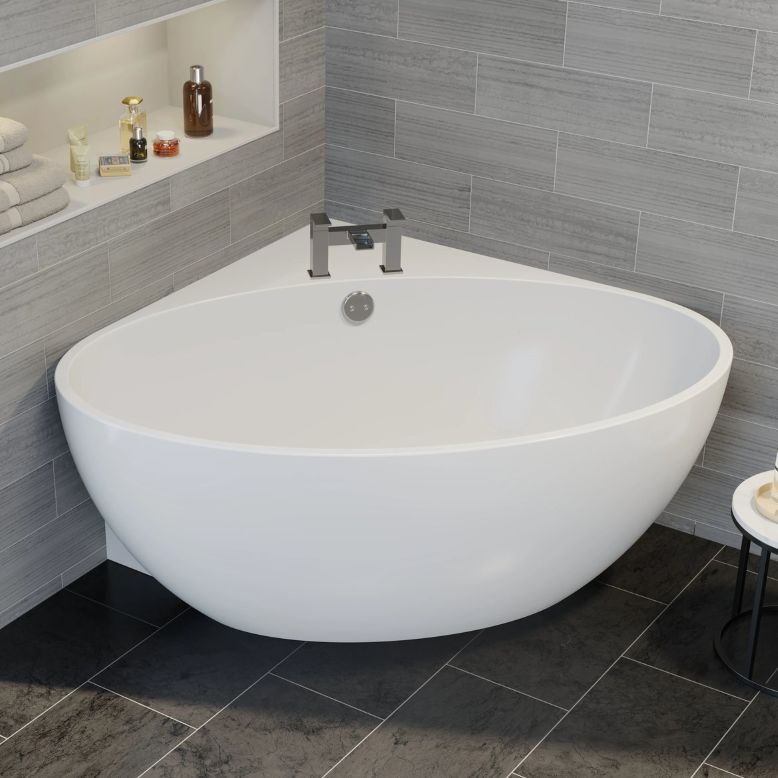
Enamelled steel is a strong classic
Enamelled steel baths are another good option for households that want something sturdy and traditional. When the enamel coating is intact, the glossy surface is easy to clean and resistant to staining.
Warm soapy water is often enough for regular cleaning, while tougher marks may need a gentle bathroom spray. The key is to avoid abrasive products, as enamel can chip if it is damaged. Once chipped, there is a risk of rust forming, so it is worth taking care when cleaning and avoiding anything too harsh.
For homeowners who like a classic bath with a more solid feel, enamelled steel can be a good balance of style and practicality.
Cast iron baths are hard wearing but heavy
Cast iron baths with an enamel coating are often seen as a long-lasting, premium option. They are extremely durable and the smooth enamel surface can be very easy to clean when properly looked after.
They are less likely to flex or develop small cracks, which helps prevent grime from settling into the surface. However, they are very heavy and not always suitable for every bathroom, especially where installation access is limited.
As with enamelled steel, chips should be repaired quickly to prevent rust. For those who want a statement bath that can stand the test of time, cast iron is a strong contender, but it is not always the most practical choice for every home.
Fibreglass can be easy at first
Fibreglass baths are often more budget-friendly and lightweight, which can make them appealing. They can also be simple to wipe down when new.
The issue is that fibreglass can scratch and dull more quickly than acrylic. Once the finish starts to wear, soap scum and residue may cling more easily, making the bath harder to keep clean over the long term.
For this reason, fibreglass may be a convenient short-term option, but it is not always the easiest material to maintain over many years.
Stone resin looks luxurious but needs care
Stone resin and solid surface baths are popular in modern bathrooms because they create a sleek, spa-like look. They can be beautiful statement pieces and often feel more luxurious than standard bath materials.
However, they may require a more specific cleaning routine to keep them looking their best. Some finishes need specialist products or extra care, so they may not suit someone who wants a quick spray-and-wipe approach.
If style is the priority and you are happy to follow the right cleaning guidance, stone resin can be a stunning choice. If low maintenance is more important, acrylic may be the easier route.
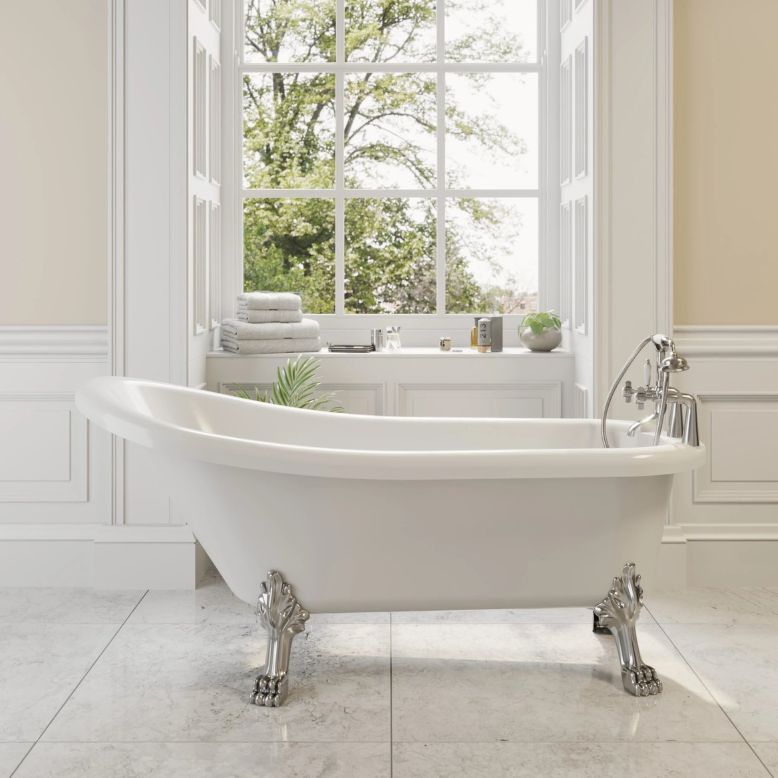
Small habits make any bath easier to clean
Whatever bath you choose, a few simple habits can help keep cleaning under control. Rinsing the bath after use helps remove soap and product residue before it dries. Keeping the bathroom well ventilated can reduce moisture build-up around the edges, while wiping the surface dry can help prevent limescale and water marks.
It is also worth thinking about the bath panel and surrounding finishes. Moisture-resistant, easy-clean panels and tiles can make the whole area feel fresher and reduce the amount of cleaning needed.
Which bath is easiest to clean?
For most households, acrylic is the easiest bath to keep clean day to day. It is practical, affordable, widely available and simple to maintain with gentle cleaning.
Enamelled steel and cast iron are also strong choices when the surface is kept in good condition, while fibreglass can become harder to care for as it wears. Stone resin offers a more luxurious look, but it may need a little more attention.
The best choice depends on how you use your bathroom, how much maintenance you are willing to do and the overall look you want to create. For a bath that fits into everyday life without adding extra cleaning stress, acrylic is hard to beat.