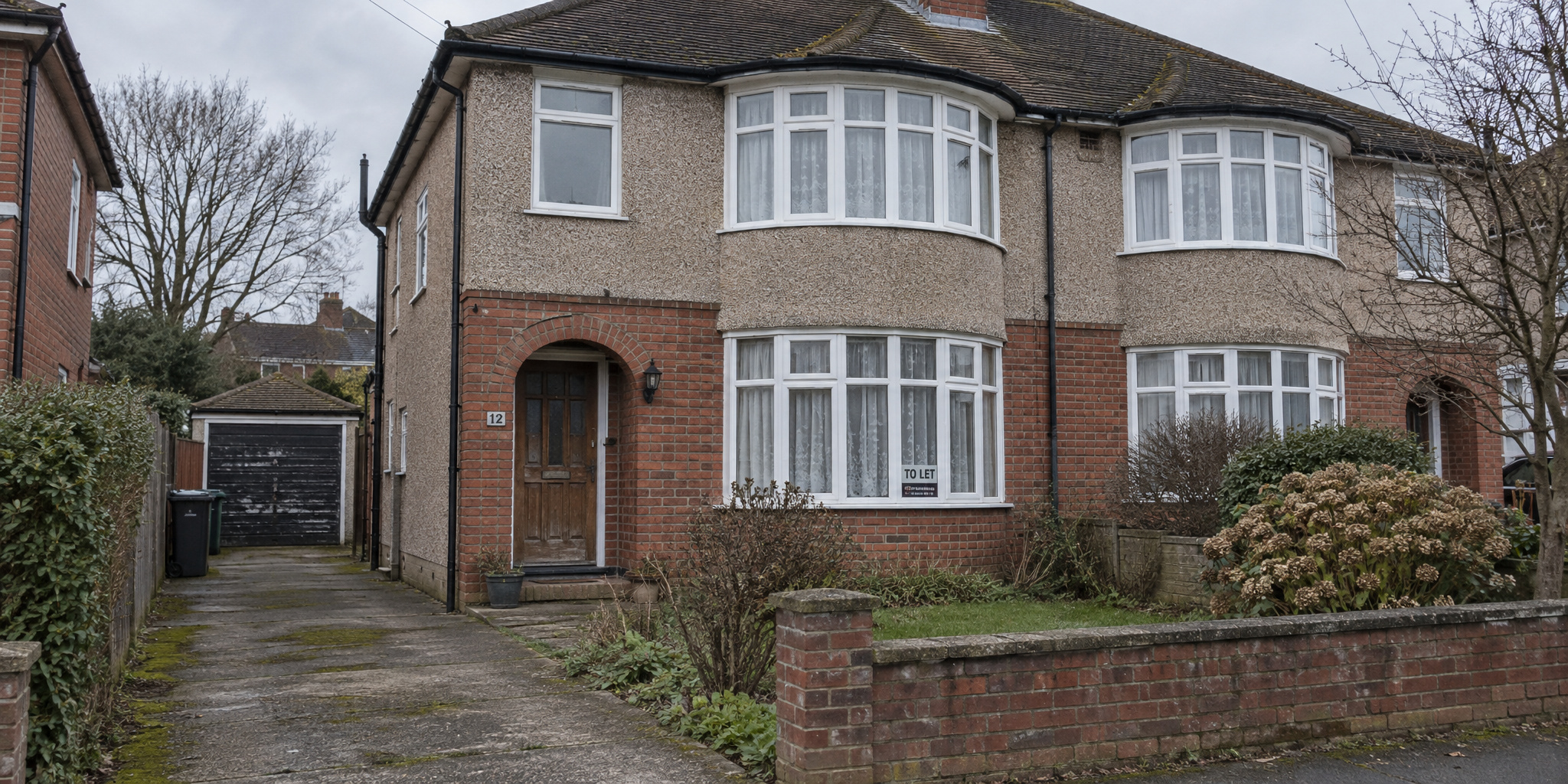

Finding a letting agent is easy. Finding a good one is not. London has thousands of agents, and the difference between a competent one and a poor one is measured in missed viewings, unanswered calls, deposit disputes, and void periods that cost real money. The search deserves more care than a glance at a shopfront.
The process is not complicated, but it is methodical. Verify the protections, ask the right questions, and choose on evidence rather than impression.
Verify the Mandatory Protections
Before anything else, confirm that the agent meets the legal requirements that protect your money.
Redress scheme membership. Letting agents in England must belong to a government-approved redress scheme, such as The Property Ombudsman or the Property Redress Scheme. Membership gives you an independent route for complaints, and it should be displayed on the agent’s website and in their office. It can be verified on the scheme’s own website.
Client Money Protection. An agent that holds deposits or rent must have Client Money Protection insurance. This protects you if the agent fails or misappropriates funds. Ask for proof of the certificate rather than taking the claim on trust.
Deposit protection. If you are a tenant, confirm which government-backed deposit scheme the agent uses. If you are a landlord, confirm that deposits are registered within the legal timescale.
These are not optional extras. They are the baseline, and an agent who cannot evidence them should be avoided.
Ask About Fees
Fees are where the relationship often sours, and clarity at the start prevents disputes later.
For tenants, request a full written breakdown before viewing anything. Ask whether the quoted figure includes VAT, whether it is per person or per property, and what exactly it covers. Clarify move-out fees and any charges for referencing, check-in, or administration.
For landlords, establish the commission structure and what it includes. A “full management” service should be defined precisely: what the agent does, how often they inspect, and what authority they have to authorise repairs without your consent. Agree a figure for maintenance in advance.
For both, ask about contract terms. Is there a minimum term? Are there cancellation fees? What notice is required? These questions are easier to ask before signing than after.
Ask the Right Questions
A good agent answers questions directly. An evasive one reveals themselves quickly.
Ask how long they have worked in the area, and how many properties they have let on your street or in your building. Find out what they know about recent rents achieved, rather than advertised. Ask how they handle maintenance requests and how quickly they respond to emergencies.
For landlords, ask about tenant referencing, inspection schedules, and how void periods are managed. For tenants, ask how repairs are reported, how quickly they are addressed, and who holds the deposit.
The answers matter less than the manner. An agent who answers clearly and without hesitation is likely to be reliable. One who deflects or overpromises is not.
Check the Professional Standing
Membership of a professional body is not a guarantee of quality, but it indicates a commitment to standards. Check the TPO website, for The Property Ombudsman membership.
Propertymark, which includes ARLA for lettings, and UKALA both operate codes of practice and require members to meet certain criteria. Membership can be verified on the body’s website.
Reviews and recommendations are also useful. Ask neighbours, colleagues, and friends who they use and whether they would use them again. Word of mouth is more reliable than any marketing material.
Test the Responsiveness
The single most revealing test is how the agent responds before they have your business. Even a quick question such as ‘ is the property furnished or not? ‘ to see how quick they reply.
Call or email with a specific question and see how long it takes to reply. An agent who is slow or vague at the enquiry stage will be slower and vaguer once the property is on the market or the tenancy has begun.
Responsiveness is not a soft quality. It is the difference between a problem being solved and a problem being ignored.
Choose on Evidence
The final decision should rest on evidence rather than impression.
A good agent will have verified protections, a clear fee structure, direct answers to your questions, professional memberships, and a track record in the area. They will be responsive, organised, and willing to put things in writing.
A poor agent will have excuses, vague fees, and a reluctance to answer questions directly.
The difference is not always obvious at first glance. It becomes obvious when something goes wrong. Choosing carefully at the start is the best way to avoid discovering the difference later.
The Point
Finding a letting agent is not difficult. Finding a good letting agent requires verification, questions, and a willingness to walk away from an agent who cannot evidence their credentials.
Check the protections. Ask about fees. Ask the right questions. Test the responsiveness. Choose on evidence.
The agent you choose will manage a significant asset or a significant home. The care taken in the search is proportional to what is at stake.