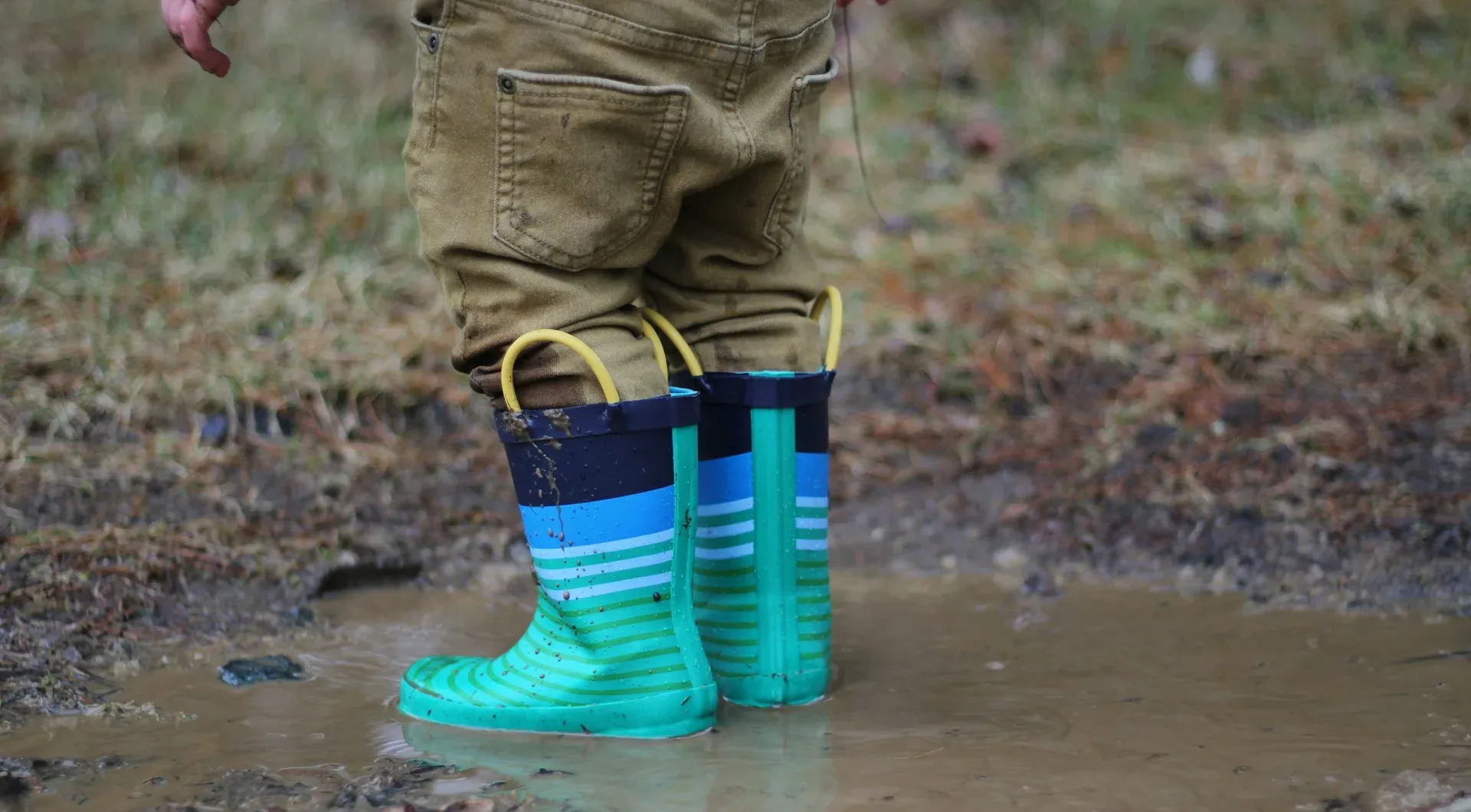

Winter comes with snow, and a lot this year but that means one thing! a lot of shallow water puddles once the snow starts melting but many of us face heavy rains too, making this issue more common than you imagine. We all know how annoying shallow water can be, even if it’s a puddle, a flooded room, or a depression in your garden, learning how to get rid of shallow water can be a life-saver.
Shallow water is a nuisance, especially after heavy rains or due to poor drainage. Not only does it make your yard look unappealing, but it can also come with health risks and cause property damage.
This guide will walk you through the steps to tackle shallow water with a puddle pump effectively, ensuring your property remains dry and safe.
Common Causes of Shallow Standing Water
The causes of shallow water can vary a lot, depending on where you are and your surroundings but in common settings like a house or a yard, these are usually the common causes:
Rain and Poor Drainage
Heavy rainfall combined with an awful or faulty drainage system can be the result of recurrent shallow water in your yard or house.
When water doesn’t go anywhere, it accumulates in low-lying areas, creating puddles that can persist for days, weeks, or months.
Leaking Pipes
Leaking pipes, faulty irrigation systems, and broken sprinklers can also contribute to shallow water. Most of these issues can go unnoticed for days until you see a huge amount of water accumulated.
Low-Lying Areas and Depressions
Uneven land will always be an enemy, in these you can usually find natural depressions and low-lying areas, making yards one of the most affected by shallow waters, since those areas can collect a ton of water and most people overlook them.
Even a small amount of rainfall can lead to shallow water in these spots, especially if the soil is compacted and unable to absorb the excess moisture.
Potential Problems Caused by Shallow Water
The thing about shallow water, and puddles is that they many times turn into standing water and this comes with a huge amount of potential issues, even for your health.
For example, it’s not a secret that standing water can become a breeding ground for mosquitoes and other pests, and those are known carriers of diseases.
Other issues include property damage; most of us don’t realize this until it’s too late. If you leave shallow water for too long in a place it can damage your lawn, plants, and even the foundation of your home.
Keep in mind that waterlogged soil can lead to root rot in plants, while excess moisture can cause structural damage to your house’s foundation.
How Do You Get Rid of Shallow Standing Water?
The first thing you need to do is to assess the situation, you must identify where the water is coming from or its source that way you can prevent future issues.
Next, measure the depth and size of the area, that way you will have a good idea of which pump to use but in most cases, a puddle pump will do the work.
Before starting make sure you take all of the necessary safety precautions, wear some boots, gloves, and even glasses to avoid contact with water.
Now you’re ready to set up the pump:
Set Up the Pump
- Positioning the Pump: Place the pump at the lowest point of the water to make sure most of the water is removed.
- Connecting Hoses: Connect the right hoses to the pump’s inlet and outlet. Use a hose clamp to secure the connections and prevent leaks.
- Proper Ventilation: If you’re using an electric or gasoline-powered pump, make sure it has proper ventilation to prevent the buildup of fumes.
Pumping the Water
- Starting the Pump: Follow the pump instructions to start the pump. Most of the time it’s straightforward.
- Monitoring the Process: Keep an eye on the pumping process to make sure everything is working smoothly.
- Dealing with Debris: Debris like leaves, dirt, and small rocks can clog the pump and make it work poorly, so make sure to use a strainer or filter to prevent debris from entering the pump.
Conclusion
Pumping shallow or standing water is a straightforward process when you have the right equipment and knowledge. By following these steps, you sure can effectively remove any water and prevent any issues.
Remember to take safety precautions, choose the right pump, and address the root cause of the water to prevent future issues.
Feature image by June Admiraal on Unsplash