

Running a restaurant in London is already challenging – but standing out online in such a competitive food scene adds a whole new layer. Fortunately, Local SEO in London can help customers find your restaurant when they search for places to eat nearby. You don’t need to be a tech wizard to get started. Follow this simple, step-by-step guide to boost your restaurant’s visibility online.
1. Set Up and Optimise Your Google Business Profile
Why it matters: This is your digital storefront. It’s what people see when they search for your restaurant on Google or Maps.
What to do:
- Visit Google Business Profile and claim your listing.
- Fill in every detail: name, address, phone number, website, opening hours, and category (e.g., “Italian Restaurant”).
- Add high-quality photos of your interior, food, and menu.
- Keep it updated with accurate information – especially your hours and holiday schedules.
- Encourage customers to leave reviews, and respond to each one politely.
Tip: Use keywords naturally in your description, like “family-run Indian restaurant in Shoreditch.”
2. Make Sure Your Website Is Mobile-Friendly
Why it matters: Most people search for places to eat from their phones. If your website isn’t mobile-friendly, they’ll bounce.
What to do:
- Use a responsive design that adapts to mobile screens.
- Keep the layout simple with easy-to-read text and clear buttons.
- Make key info (menu, hours, location, booking) visible at the top or on the homepage.
Tip: Test your site using Google’s Mobile-Friendly Test Tool.
3. Include Location Keywords on Your Website
Why it matters: Google uses the content on your site to decide what local searches to show it for.
What to do:
- Mention your neighbourhood and city in your website copy. For example: “Serving handmade pizzas in Camden, London.”
- Create a “Contact” page with your full name, address, and phone number.
- Add a Google Map to your location page.
- Use meta titles and descriptions with your restaurant type + location:
g., “Best Vegan Restaurant in Hackney | [Restaurant Name]”
Tip: Don’t overstuff keywords – write naturally for humans first.
4. Register Your Restaurant in Online Directories
Why it matters: Citations (mentions of your business online) help build trust with Google.
What to do:
- Add your restaurant to trusted directories like Yelp, TripAdvisor, OpenTable, TimeOut, Zomato, and UberEats.
- Make sure your Name, Address, and Phone Number (NAP) are identical across all platforms.
Tip: Set up a simple spreadsheet to track where your business is listed and when it was last updated.
5. Ask for and Manage Online Reviews
Why it matters: Positive reviews improve rankings and influence customer decisions.
What to do:
- Ask happy customers to leave a Google review (you can give them a link or QR code).
- Make it easy – ask after a great meal or via a follow-up email if you take online bookings.
- Reply to all reviews – thank the good ones and address the bad ones professionally.
Tip: Never fake reviews. Genuine feedback builds credibility and helps with local rankings.
6. Use Social Media to Build Local Awareness
Why it matters: Social signals and local engagement can drive traffic and boost SEO indirectly.
What to do:
- Create business profiles on Instagram and Facebook.
- Tag your location and use London-specific hashtags (e.g., #LondonFoodie, #SohoEats).
- Post regularly: show behind-the-scenes shots, specials, events, and happy customers.
- Encourage check-ins and shares from visitors.
Tip: Share user-generated content when customers tag you – it builds social proof.
7. Create Local Content That Appeals to Londoners
Why it matters: Fresh, local content gives search engines more reasons to rank your site.
What to do:
- Start a blog or add content to your site about:
- Local food trends
- “Top 5 Street Food Spots in Shoreditch”
- Events you’re hosting or participating in
- Write with your local customer in mind. Use casual, conversational tone.
Tip: Even one post a month helps. Just be consistent and relevant.
8. Optimise for Voice Search (Optional but Powerful)
Why it matters: More people use voice assistants to search for restaurants.
What to do:
- Use natural phrases people say out loud:
g., “Where can I get Thai food near Liverpool Street?” - Add a FAQs section on your site with questions like:
- “Do you offer vegan options?”
- “Are you open late on weekends?”
Tip: Think like a customer – what would you ask your phone when looking for a bite?
9. Keep Your Booking or Ordering System Easy
Why it matters: If it’s hard to book or order, people will leave.
What to do:
- Use a clear “Book Now” or “Order Online”
- Make sure your forms or third-party systems work well on mobile.
- Integrate with services like OpenTable, Resy, or Deliveroo for smooth customer experience.
Tip: If you take bookings by phone, make sure someone always answers during opening hours.
10. Track Your Local SEO Progress
Why it matters: Measuring results helps you see what’s working and what to improve.
What to do:
- Set up Google Analytics and Google Search Console.
- Check how people find you online (search terms, devices, traffic sources).
- Look at your Google Business Insights for local search visibility and map views.
Tip: Keep a monthly log of improvements and reviews so you can track growth over time.
Final Thoughts
Getting your London restaurant found online doesn’t require a huge budget or technical skills. With small, consistent actions – from claiming your Google profile to encouraging reviews and using the right keywords – you can make a big impact on your visibility.
Start with one or two steps each week and build your online presence gradually. Remember, local SEO is a marathon, not a sprint. But with every positive review, every photo uploaded, and every accurate listing, you’re making it easier for hungry Londoners to find you.
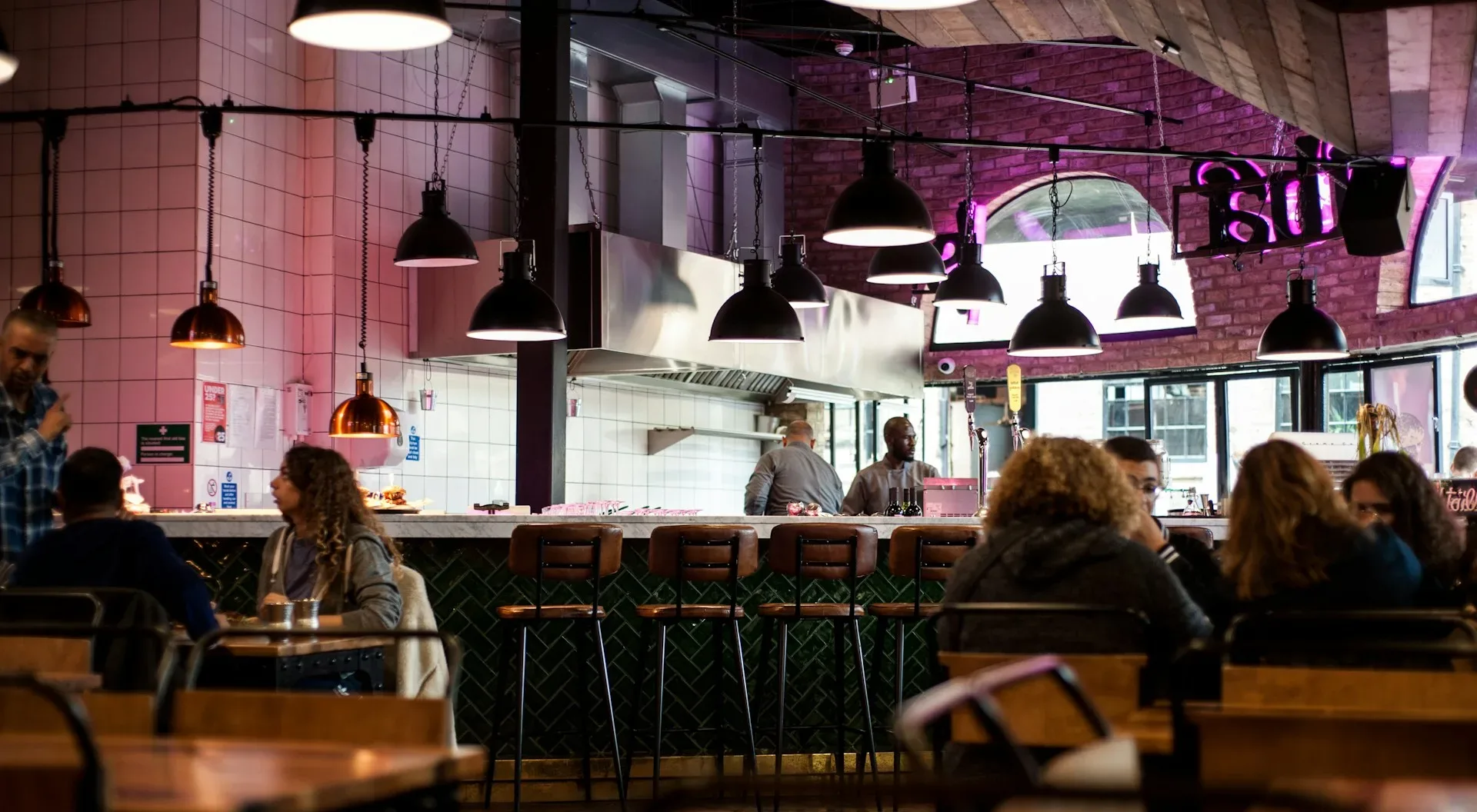
Feature image by Marco Chilese on Unsplash







