
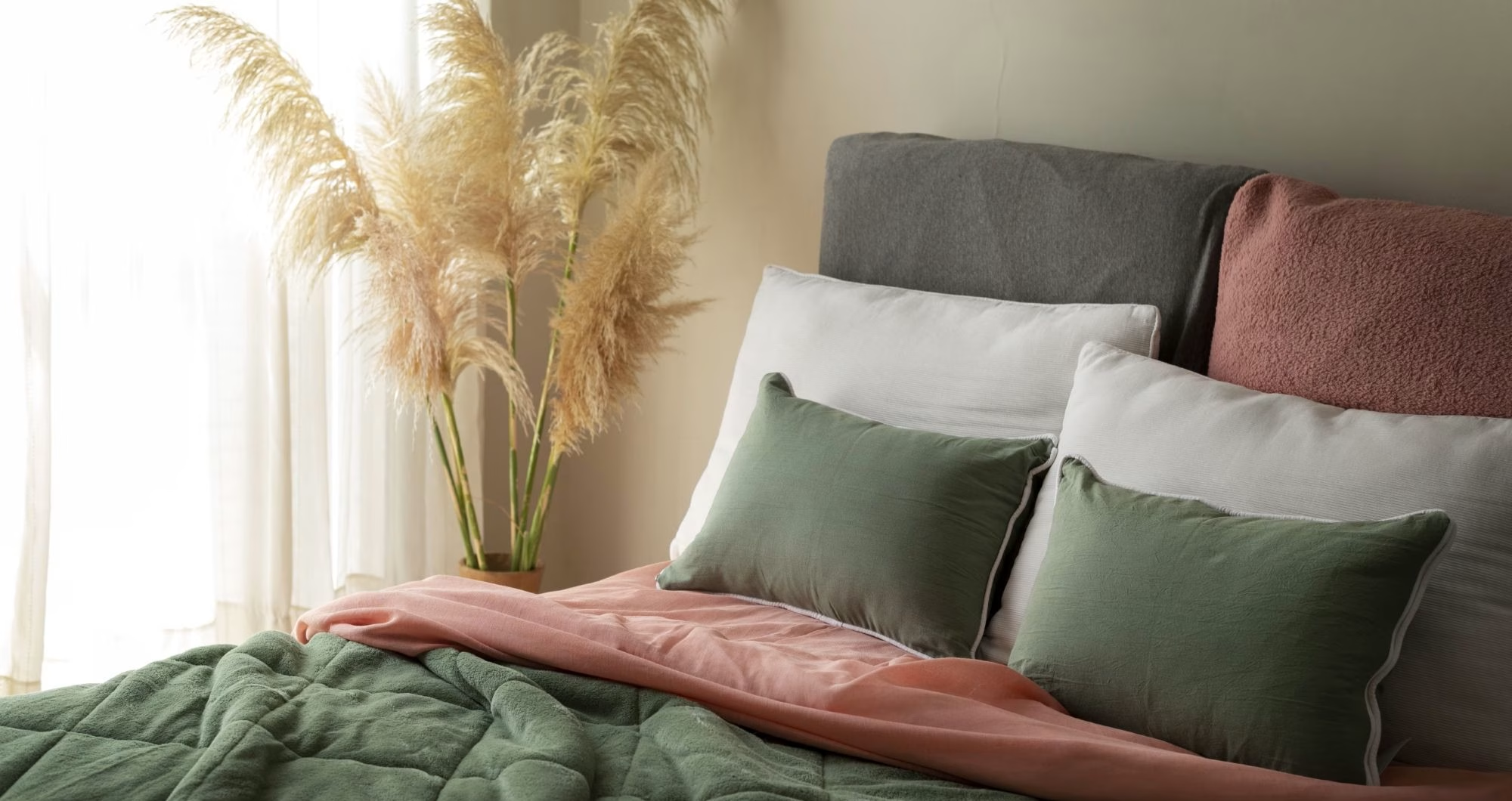

It’s 2 a.m. on a February night in Manchester. Sarah lies awake, shivering beneath three duvets, two throws, and her old uni blanket. The radiator’s chugging away at full whack, yet her toes feel like blocks of ice. Learning how to layer sheets & blankets for a cold UK night seems impossible when you’re freezing despite everything you’ve tried.
Sound painfully familiar?
Here’s the truth that’ll change your winter nights forever: You’re not broken, and you don’t need more blankets. You’re just layering wrong.
Most people treat bedding like a jumble sale pile—chuck it all on and hope for warmth. But proper layering isn’t about quantity; it’s about trapping heat cleverly. Think of it as building a thermal fortress round your body, where each layer serves a specific purpose.
Living in the UK presents unique challenges: Victorian terraces with single-pane windows, dodgy weather that swings from mild to arctic overnight, and that persistent dampness that seems to creep into your bones.
Your bed isn’t just fighting cold—it’s battling humidity, draughts, and centuries-old architecture that wasn’t designed for comfort. Investing in quality shop duvet cover sets creates the foundation for your thermal strategy, protecting your bedding investment whilst adding that extra layer of warmth and style that transforms your bedroom into a proper winter sanctuary.
By the end of this guide, you’ll know exactly how to build a warm, breathable sleep system that works with British winters, not against them. No overpriced gadgets required—just smart layering backed by textile science and tested by countless cold nights.
Tonight, you’ll finally sleep warm.
Why Layering Matters More Than Thickness
“More layers ≠ warmer. Smarter layers = warmer.”
Your instinct might scream “thicker is warmer,” but science tells a different story. The secret lies in trapped air, nature’s most efficient insulator.
When you layer bedding correctly, you create multiple pockets of still air between fabrics. These air gaps act like thermal barriers, preventing your body heat from escaping whilst blocking cold air from reaching you. It’s the same principle behind down jackets: the fluffier the down, the more air it traps, the warmer you stay.
Compare this to wearing a chunky jumper versus three thin layers. The three thin layers will keep you warmer because each interface creates another insulation zone. Your bed works exactly the same way.
But here’s where it gets particularly relevant for UK homes: humidity is warmth’s nemesis. That damp British air doesn’t just make you feel colder—it actively nicks heat through conduction. When moisture settles on your skin or bedding, it creates a cooling effect as it evaporates.
Proper layering combats this by creating multiple barriers that moisture must penetrate. The outer layers can handle humidity whilst inner layers stay dry and warm. A single thick duvet, no matter how posh, becomes a thermal failure point when it absorbs moisture.
The magic happens in the microclimate between layers—a warm, dry pocket that your body heat maintains all night. This is why your nan’s layering wisdom (though she might not have known the science) kept her warmer than your high-tech single duvet ever could.
Understanding this changes everything about how you approach winter bedding.
The Ideal UK Bed Layering System (Step-by-Step)
“Start light, build smart, finish snug.”
What is the correct order to layer sheets and blankets? Here’s your scientifically-backed, UK-tested 5-layer system from bottom to top:
Layer 1: Fitted Sheet (Brushed Microfibre or Flannel Base)
Your foundation matters most. Choose brushed microfibre or flannel in winter—the brushed surface creates tiny air pockets that warm quickly against your skin. For deep mattresses or mattress toppers, an 40cm fitted sheets ensures a snug, secure fit that won’t pop off during the night, maintaining your thermal seal. Modern brushed microfibre has evolved significantly, offering superior moisture-wicking properties whilst maintaining that instantly cosy feel. This layer should draw moisture away from your body, not trap it.
Layer 2: Flat Sheet (Optional Cotton Percale)
This breathing layer adds thermal regulation without weight. Cotton percale’s crisp weave allows airflow whilst creating another insulation barrier. Skip this if you’re a hot sleeper, but it’s brilliant for maintaining consistent temperature in draughty British bedrooms.
Layer 3: Your Primary Duvet (13.5 Tog for Winter)
This is your thermal engine—the layer doing the heavy lifting. A 13.5 tog rating hits the sweet spot for UK winters: warm enough for January nights, not so warm you’ll roast during those random February warm spells. Quality duvet covers not only protect your investment but add an extra thermal layer that enhances overall warmth. Position this under, not over, your additional blankets.
Layer 4: Wool Blanket or Cashmere Throw
Your regulation layer! Wool naturally adjusts to temperature changes, releasing heat when you’re warm and trapping it when you’re cold. Place this over your duvet to seal in the warmth whilst maintaining breathability. Even a lightweight wool throw transforms your bed’s thermal performance.
Layer 5: Weighted Blanket (Optional Power Move)
The finishing touch. A quality weighted blanket doesn’t just provide psychological comfort—it improves circulation and creates a thermal seal that prevents heat loss through convection. Use this as your outermost layer for maximum effect.
Pro tip: Tuck everything tightly at the foot of your bed. Heat escapes fastest from your feet, and a loose bottom means cold air infiltration all night.
What Tog Rating Should My Duvet Be for Winter?
“Don’t freeze or sweat — tog smart.”
Best tog duvet for cold UK winters? Here’s the definitive breakdown that’ll end your duvet confusion forever.
Tog ratings measure thermal resistance—how well fabric resists heat flow. Higher numbers mean better insulation, but there’s a sweet spot for British winters that most people miss.
4.5 tog = Summer Perfection
Ideal for those muggy July nights when even a sheet feels too much.
9 tog = Spring/Autumn Champion
Perfect for unpredictable British weather when you’re not quite sure if it’s winter yet.
13.5 tog = UK Winter Winner
This is your magic number. Warm enough for proper cold nights, breathable enough for milder spells. Most UK homes with reasonable heating will find this spot-on.
15 tog = Arctic Specialist
Only needed if you live in an unheated cottage in the Highlands or your bedroom regularly drops below 10°C.
Here’s the game-changing secret: invest in dual duvets. Buy a 4.5 tog and a 9 tog, then combine them for 13.5 tog winter warmth. Come spring, separate them for perfect temperature control year-round. It’s more versatile than buying seasonal duvets and often more cost-effective.
The key insight? Your duvet should be your primary warmth source, not your only one. Layer strategically round it, and you’ll create a sleep system that adapts to Britain’s notoriously unpredictable weather patterns.
Best Fabrics for Winter Bedding in the UK
“Your sheets shouldn’t feel like a winter coat — but they should act like one.”
Warmest sheet material for winter? The fabric touching your skin sets the tone for your entire sleep experience.
Brushed Microfibre: The Modern Marvel
Today’s premium brushed microfibre has revolutionised winter bedding. When done right, it combines the cosy warmth of flannel with enhanced durability and easier care. Quality brushed microfibre from established bedding specialists creates an incredibly soft surface that traps warm air whilst actively wicking moisture away from your skin.
Flannel: The Traditional Champion
Brushed cotton flannel remains a beloved classic because those tiny brushed fibres trap warm air against your skin. It’s naturally moisture-wicking and gets softer with every wash. Perfect for British winters where you need immediate warmth the moment you slip into bed.
Cotton Sateen: The Luxury Compromise
Silkier than percale, warmer than linen, sateen’s smooth weave reflects body heat back to you whilst maintaining breathability. It’s particularly good if you prefer deep pocket sheets that feel elegant rather than rustic.
Avoid Linen in Winter
Yes, linen is trendy, but it’s genuinely cold to the touch initially and takes ages to warm up. Save it for summer—your winter self will thank you.
Wool Blankets: The Temperature Wizard
Wool’s superpower is temperature regulation. It wicks moisture away when you’re warm, traps heat when you’re cold, and naturally resists odours. A wool blanket over your duvet creates the perfect microclimate.
Cashmere or High-Quality Acrylic Throws: The Finishing Touch
These add luxurious warmth without weight. Cashmere is divine if your budget allows; good acrylic throws perform surprisingly well and wash more easily.
The golden rule: choose materials that work with your body’s temperature regulation, not against it. Whether you opt for natural fibres or modern microfibre technology, quality matters more than material type. Premium bedding brands understand this balance, creating products that deliver both comfort and performance.
Common Layering Mistakes That Make You Colder
“You’re not cold — your system is broken.”
Why do I still feel cold in bed with multiple blankets? Because you’re making these critical errors that sabotage your warmth:
Mistake 1: Summer Duvet + Blanket Mountain
Using a thin 4.5 tog duvet and piling on throws creates gaps where cold air infiltrates. Your blankets shift during sleep, leaving thermal weak points. Instead, start with proper winter-weight bedding, then layer strategically.
Mistake 2: Low-Quality Synthetic Materials
Cheap polyester or basic poly-cotton blend sheets trap moisture against your skin. However, premium brushed microfibre from reputable bedding brands offers a different experience entirely—superior moisture management with enhanced softness. The key is material quality, not just material type.
Mistake 3: The Foot Escape Hatch
Leaving the bottom of your bed loose creates a chimney effect where warm air rises and escapes at your feet, drawing cold air up from below. Your feet get frozen, and your whole body suffers.
Mistake 4: Compression Layering
Tucking everything so tightly you can barely move restricts blood circulation. Poor circulation means cold extremities, no matter how many layers you add. Layer snugly, not suffocatingly.
Mistake 5: Ignoring Your Foundation
A cold mattress acts like a heat sink, drawing warmth away from your body. Without a good mattress topper or the right bottom sheet, you’re fighting a losing thermal battle before you even start layering.
Fix these fundamentals, and suddenly your existing bedding performs twice as well.
How to Warm Up Your Bed Before Getting In
“Pre-heat your bed like you pre-heat your oven.”
How to pre-warm bed without electric blanket? Smart preparation beats shivering through the warm-up phase every single time.
The Hot Water Bottle Hack
Place a quality hot water bottle at the foot of your bed 15 minutes before sleep. Your feet warm first, triggering your body’s natural temperature regulation response. Position it where your feet will rest—instant cosy contact.
Microwavable Heat Packs
These wheat-filled fabric pouches heat in minutes and stay warm for hours. Slip one under your duvet at waist level whilst you’re doing your bedtime routine. By the time you’re ready for bed, you’re slipping into pre-warmed luxury.
Strategic Bedroom Heating
Run your radiator or portable heater for 30 minutes before bedtime, then turn it down (not off) when you sleep. This removes the initial chill from your room and bedding without overheating all night.
Thermal Sleepwear Intelligence
Bed socks and thermal pyjamas aren’t just comfort—they’re thermal strategy. Warm extremities signal your brain that it’s safe to relax and sleep deeply. Choose moisture-wicking materials that won’t make you sweaty.
The Heated Mattress Pad Secret
Low-energy heated mattress pads warm your bed from below—far more efficient than heating the entire room. Use them to pre-warm, then switch to low or off once you’re in bed.
These small rituals transform your bedtime from endurance test to evening luxury.
FAQs – Everything You’ve Ever Wondered About Winter Bedding
Should I use a top sheet in winter UK?
Optional but recommended. A cotton percale top sheet adds breathability and makes temperature regulation easier. If you overheat, kick off the blankets but keep the sheet—perfect for Britain’s unpredictable indoor temperatures.
Can I layer two duvets together?
Absolutely! Combining a 4.5 tog with a 9 tog creates adjustable 13.5 tog warmth. Start with both, remove one if you get too warm. It’s more flexible than a single heavy duvet.
Is it better to have a heavy blanket or a thick duvet?
A good duvet is more thermally efficient, but a weighted blanket adds targeted warmth and improved circulation. Use both: duvet for primary insulation, weighted blanket as the thermal seal.
Do wool blankets make you sweat?
Quality wool actually prevents sweating by wicking moisture away and regulating temperature. It’s naturally antimicrobial too. Cheap acrylic “wool” blankets will make you sweaty—invest in real wool.
How often should I wash winter bedding?
Sheets weekly (they touch your skin), duvet covers every two weeks, wool blankets monthly unless soiled. Over-washing reduces the loft and thermal performance of quality bedding.
What’s the warmest bedding setup for old UK houses?
Brushed microfibre or flannel sheets + 13.5 tog duvet + wool blanket + draught excluder at the foot of the bed. Quality brushed microfibre performs exceptionally well in draughty British homes, providing instant warmth and excellent moisture management. Add a rug beside your bed to prevent cold floor shock when you get up.
Are electric blankets safe under duvets?
Yes, if used correctly and never folded or bunched. Modern electric blankets have safety cut-offs, but always follow manufacturer guidelines. They’re excellent for pre-warming.
Why do my feet stay cold no matter what?
Poor circulation or heat escape at the foot of the bed. Use bed socks, ensure your layering system is tucked tightly at the bottom, and consider a hot water bottle at your feet.
Sleep Warm, Wake Refreshed
“Warmth isn’t a luxury — it’s sleep hygiene.”
You don’t need central heating on full blast or a £500 smart mattress. You don’t need to suffer through another winter of chattering teeth and restless nights. You just need the right layers in the right order, applied with intention rather than desperation.
The science is clear: strategic layering beats thoughtless piling every time. The right tog rating and natural fibres create more warmth than any amount of synthetic bulk. Small preparation habits—like pre-warming your bed—transform your entire sleep experience.
This winter, stop accepting cold as inevitable. Stop layering blindly and start building thermal intelligence into your bedtime routine. Your sleep affects everything: your mood, your productivity, your health, your relationships.
Tonight, try the 5-layer method. Start with quality basics, layer with purpose, and prepare your bed like the sanctuary it should be. Whether you choose established brands like Pamposh Bedding or other premium options, invest in pieces that understand British winters. Your future self—warm, rested, and finally sleeping through the night—will wonder why you waited so long to sleep this well.
Sweet dreams, and stay warm.







