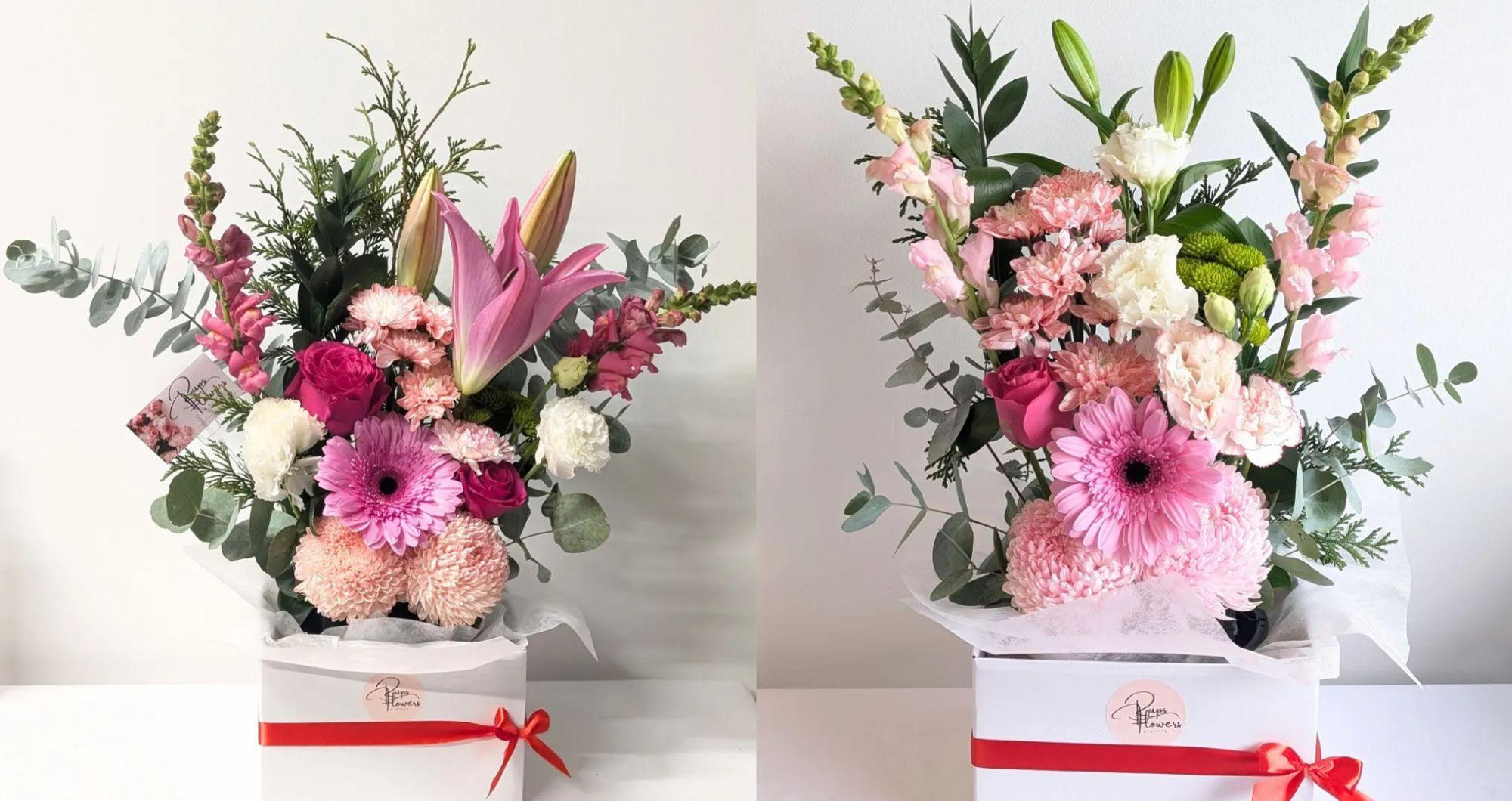

Receiving fresh flowers is a joyful experience. Whether they arrive as a gift for a special occasion or simply to brighten your space, flowers instantly add beauty and emotion to any environment. However, that joy can fade quickly when petals begin to droop, leaves turn yellow, and blooms lose their freshness after just a few days. Many people assume that flowers naturally have a short lifespan, but with proper care, they can last much longer than expected.
Understanding how to make fresh flowers last longer after receiving them is not difficult, but it does require attention to a few essential details. From the moment flowers arrive at your door to the daily care routine that follows, each step plays a role in extending their beauty. This guide will walk you through everything you need to know, using simple methods that work at home and require no professional tools.
By the end of this article, you will have a clear, practical understanding of flower care that helps preserve freshness, colour, and fragrance for as long as possible.
Why Fresh Flowers Start Wilting So Quickly
Fresh flowers are living plant material, even after being cut. Once separated from their roots, flowers rely entirely on water absorption through their stems to survive. If this process is disrupted, wilting begins quickly. One of the most common reasons flowers fade early is dehydration. Air pockets in the stems can block water uptake, while bacterial growth in dirty water prevents proper hydration.
Temperature also plays a major role. Heat speeds up water loss, while direct sunlight accelerates the ageing process. Flowers exposed to warm rooms, electronic appliances, or windows often deteriorate faster than those kept in cool, shaded areas. Another overlooked factor is ethylene gas, a natural plant hormone released by fruits that accelerates flower ageing.
Knowing these causes makes it easier to prevent early wilting and keep flowers fresh for longer.
What to Do Immediately After Receiving Fresh Flowers
The first hour after receiving flowers is critical. Many people place flowers directly into a vase without preparation, but this can shorten their lifespan.
Start by removing all packaging, including plastic wraps, ribbons, and decorative papers. These materials trap moisture and heat, creating an environment where bacteria thrive. Once unwrapped, inspect the stems and remove any leaves that would sit below the waterline in a vase. Submerged leaves decay quickly and contaminate the water.
Next, trim the stems using clean, sharp scissors or garden shears. Cut approximately one to two inches from the bottom at a 45-degree angle. This angled cut increases the surface area for water absorption and prevents the stem from sitting flat against the vase base. Ideally, stems should be cut under running water or immediately placed into water to prevent air from entering the stem.
Finally, place the flowers into a clean vase filled with fresh, room-temperature water.
The Importance of a Clean Vase and Fresh Water
A clean vase is one of the most important yet overlooked aspects of flower care. Even if a vase looks clean, invisible bacteria may still be present from previous use. Washing the vase thoroughly with warm water and mild soap helps remove residue that can shorten the life of your flowers.
Water quality matters just as much. Tap water at room temperature is suitable for most flowers. Icy water can shock delicate blooms, while hot water damages stem tissues. Changing the water regularly prevents bacteria buildup and ensures continuous hydration.
When refilling the vase, it is helpful to rinse the stems gently to remove any slimy residue. This simple habit can add several days to the lifespan of fresh flowers.
Understanding Flower Food and Home Alternatives
Many bouquets come with a small packet of flower food, and using it correctly can make a noticeable difference. Flower food typically contains sugar to nourish the blooms, acidifiers to maintain the proper pH level, and antibacterial agents to keep the water clean.
If flower food is not available, simple household alternatives can be used with caution. A small amount of sugar provides energy, while a few drops of vinegar or lemon juice help control bacteria. However, it is essential not to overdo these additions, as excessive amounts can damage flowers rather than help them.
Commercial flower food is generally the safest and most effective option, especially for mixed bouquets with different flower types.
Where to Place Fresh Flowers at Home
Placement plays a significant role in how long flowers last. Fresh flowers prefer cool, stable environments. Direct sunlight, even for short periods, increases water loss and speeds up wilting. Similarly, placing flowers near heaters, ovens, televisions, or other heat-producing devices should be avoided.
Air circulation is also essential. Strong drafts from fans or air conditioners can dry out petals, while stagnant air can encourage bacterial growth. A well-ventilated, shaded area is ideal.
Another essential consideration is fruit. Ripening fruits release ethylene gas, which accelerates flower aging. Keeping flowers away from fruit bowls or kitchen counters can significantly extend their freshness.
Daily Care Routine to Keep Flowers Fresh Longer
Consistency is key when it comes to flower care. A simple daily routine can dramatically extend the time flowers remain vibrant.
Each day, check the water level and clarity. If the water appears cloudy, change it immediately. Even if it looks clear, refreshing the water every one to two days is recommended. While changing the water, take a moment to remove any wilting petals or leaves that have fallen into the vase.
Retrimming the stems every 2 to 3 days helps reopen water channels that may have become blocked. Cutting a small amount off the bottom ensures continued hydration and prevents stem decay.
Observing your flowers daily allows you to respond quickly to any signs of decline, keeping the arrangement looking fresh and healthy.
Common Mistakes That Make Flowers Die Faster
Many people unknowingly shorten their flowers’ lifespan by making simple mistakes. One standard error is overcrowding the vase. When stems are packed too tightly, air circulation decreases and bacterial growth increases. Using an appropriately sized vase ensures each stem receives enough water and space.
Another frequent mistake is neglecting water changes. Even with flower food, stagnant water becomes harmful over time. Ignoring fallen leaves or petals in the vase also accelerates decay.
Using blunt tools to cut stems can crush the stem tissue, making water absorption difficult. Always use sharp scissors or shears for clean cuts. Lastly, placing flowers in unsuitable environments, such as near windows or appliances, can undo all other care efforts.
How Long Do Fresh Flowers Usually Last?
The lifespan of fresh flowers varies depending on the type and care provided. Roses typically last seven to ten days with proper maintenance. Lilies can last even longer, often up to two weeks, especially if pollen is removed from the blooms. Tulips usually have a shorter lifespan, around five to seven days, while carnations and chrysanthemums are known for their longevity, sometimes lasting over two weeks.
While genetics play a role, good care can significantly extend the natural lifespan of most flowers. Even delicate varieties benefit from proper hydration, clean water, and suitable placement.
Can Refrigeration Help Flowers Last Longer?
Florists commonly use refrigeration to slow the ageing of flowers. At home, light refrigeration can be beneficial in certain situations, such as overnight storage for special events. However, not all flowers respond well to cold temperatures, and household refrigerators often contain fruits that release ethylene gas.
If refrigerated, flowers should be kept away from produce and stored at a moderate temperature for short periods only. For daily care, maintaining a cool room temperature is usually sufficient.
Seasonal Factors That Affect Flower Longevity
Seasonal conditions can influence how long flowers last indoors. During warmer months, higher temperatures and humidity levels can accelerate wilting. In these conditions, more frequent water changes and cooler placement become significant.
In colder seasons, indoor heating can dry the air, leading to petals losing moisture. Using a humidifier or keeping flowers away from direct heat sources helps maintain freshness during the winter months.
Being aware of seasonal challenges allows you to adjust your care routine accordingly.
Conclusion
Learning how to make fresh flowers last longer after receiving them is about more than following a single trick. It involves a combination of thoughtful preparation, daily care, and awareness of the environment in which flowers are placed. By trimming stems correctly, using clean vases and fresh water, putting flowers in suitable locations, and maintaining a consistent care routine, you can significantly extend the life of your arrangements.
Fresh flowers are meant to be enjoyed, and with proper care, their beauty need not fade quickly. Applying these simple yet effective practices helps preserve their freshness, colour, and elegance for days longer than expected, making every bouquet a lasting source of joy.
If you are looking for flower delivery in Doreen and nearby suburbs, Rups Flowers & Gifts offers a beautiful range of fresh flowers in Melbourne, VIC, Australia.