
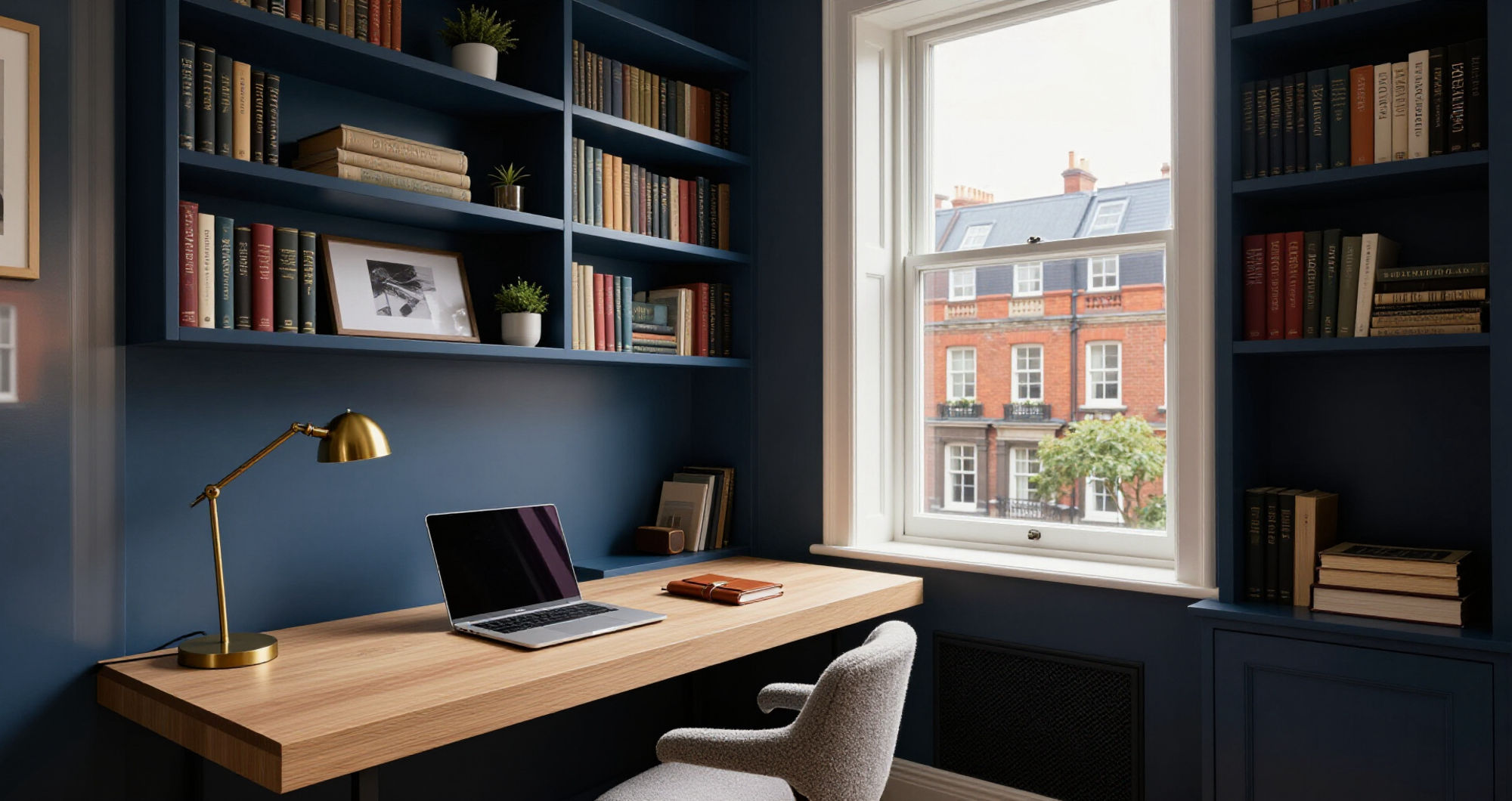

Deciding what to do with a spare room or basement in a London property is a significant opportunity, especially given the premium on space in the capital. Whether you should go with a home office, a home gym, or a TV room ultimately depends on your lifestyle, budget, and whether the space is above or below ground.
Here is a breakdown of the best ways to utilise that space, considering the specific implications of London property.
Spare Room: The Flexible Option
For a spare room above ground, the decision is often less about construction and more about how you want to live day-to-day. The trend in London is moving toward hybrid spaces that can adapt to different needs.
- Home Office: This is a highly popular choice, especially for South Londoners who want a clear separation between work and home life. A dedicated office allows you to “shut the door” on work at the end of the day. For a functional setup, prioritize decent lighting, reliable internet, and good storage.
- Home Gym: While not mentioned as a top trend for spare bedrooms in the search results, it is a viable option if you prioritize fitness and want to avoid London gym fees and commute times. The key here is ventilation and floor protection.
- TV Room / Snug: Creating a dedicated entertainment space is a classic use. This is particularly useful in busy households where the main living area is often occupied.
- Guest Accommodation: If you have family visiting regularly, a comfortable guest room is a great use of space. The key is to keep it flexible. If the room is only used occasionally, you can still use it as an office or hobby room the rest of the time.
- Rental Income (The Financial Angle): Given the high cost of living in London, using the room for income is a major consideration. Under the Rent a Room scheme, you can earn up to £7,500 tax-free per year by renting out a furnished room in your main home. However, this comes with trade-offs. You are sharing your home with a lodger, which means a permanent presence and less flexibility for you to have the space to yourself. While hosting short-term guests (like homestay students) offers more flexibility to block out dates, it requires daily engagement and doesn’t provide the consistent monthly income of a long-term lodger.
Basement: The High-Investment, High-Reward Option
A basement offers a blank canvas for spaces that simply wouldn’t fit into a traditional London home layout, but it comes with significant regulatory hurdles and costs.
- Home Cinema / TV Room: This is a classic basement conversion. Unlike a simple TV room in a spare bedroom, a basement cinema can be an acoustically optimised environment with tiered seating and integrated smart technology. This is ideal for entertaining without disturbing the rest of the house.
- Home Gym / Wellness Suite: A basement or a garage can house a full wellness suite, complete with a sauna, steam room, and spa-like changing facilities. This creates a private sanctuary that is completely separate from the main living areas.
- Other Popular Uses: Other common basement conversions in London include wine cellars (taking advantage of the naturally cool environment), games rooms, additional bedrooms, and self-contained annexes for rental or multi-generational living.
The Reality Check for London Basements:
Before you start digging, you must understand the regulatory and financial landscape in London:
- Planning Permission: This is almost always required for new basement excavations, and many London boroughs (like Kensington and Chelsea and Richmond) have strict policies. For example, some boroughs limit basements to a single storey and restrict excavation to no more than 50% of the garden.
- Party Wall Agreements: Excavation within 3 to 6 metres of a neighbour almost always triggers the Party Wall Act, requiring formal notices and potentially costly surveyor fees (often £2,000 to £15,000+).
- Waterproofing: London’s high water table and clay soils make waterproofing critical. A failure here is the biggest source of long-term problems.
- Cost: This is a major investment. Costs in South West London range from £3,500 per m² for a simple cellar conversion to £6,000 – £9,000+ per m² for a deep excavation with a gym, cinema, or pool. A new excavation can also take 12 to 24 months from first consultation to completion.
How to Decide
To make the right choice, consider these factors:
- Budget: A spare room conversion is likely just the cost of furniture and some decorating. A basement is a major construction project with a six-figure potential price tag.
- Purpose: Do you need a quiet space to work (office), a place to unwind (TV room), or a dedicated space for health (gym)? A basement can often serve multiple purposes (e.g., a gym and a cinema) better than a single spare room.
- Longevity: A home office is a practical, everyday necessity for many. A home gym or cinema is more of a luxury. If you plan to sell, a well-finished basement can add significant value, with a potential return on investment of 70-80%, and even higher in prime areas.
- Alternative Uses: Don’t forget that a spare room could also be a creative studio for art or music, a walk-in wardrobe, or essential storage space, all of which are increasingly popular in London.
In short, if you want a quick, flexible, and low-cost solution, a home office or hybrid guest room is the way to go. If you are prepared for a major project and want a luxury amenity that adds significant value, a basement gym, cinema, or wellness suite is the superior, albeit more complex, choice.







