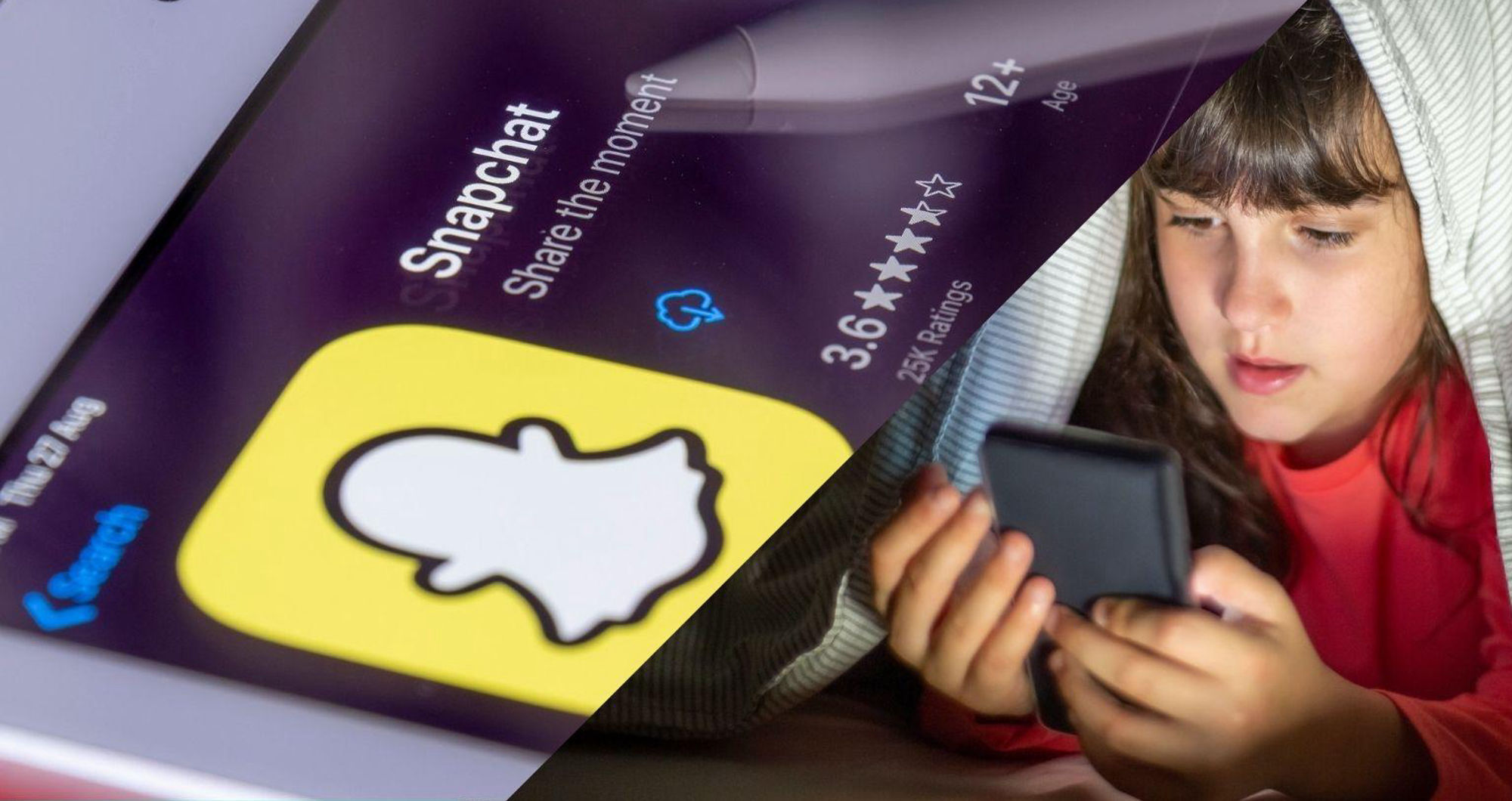

Every parent today knows that childhood looks very different from it did just a decade ago. Our kids are growing up in a world where their first steps into digital life happen early — sometimes before they even understand the risks. From their first social media profile to group chats with friends, every action leaves a trace online. This collection of traces is their digital identity, and protecting it has become one of the most important responsibilities for modern parents.
But what does “digital identity” really mean, and how can you make sure your child is safe while still giving them the freedom to explore? Let’s break it down.
Why a Child’s Digital Identity Matters
Your child’s digital identity is more than just a social media handle or an email address. It’s the sum of their online activities — posts, photos, messages, comments, and even the apps they use.
The risks are real:
- Oversharing: Kids might post personal details like their school name, location, or birthdays.
- Cyberbullying: Online harassment can damage self-esteem and linger far beyond childhood.
- Scams and Predators: Fake accounts and manipulative messaging can put children at risk.
- Permanent Records: What goes online often stays online, potentially affecting their reputation later in life.
In short, their digital identity today could impact their opportunities tomorrow.
Steps Parents Can Take to Safeguard Digital Identity
Protecting your child’s online presence doesn’t mean cutting them off from technology. Instead, it’s about giving them the right guidance and tools.
1. Teach Responsible Sharing
Talk to your child about what’s safe to share — and what isn’t. Encourage them to think before posting and remind them that private details like their address, phone number, or school should never go online.
2. Secure Their Accounts
Help them set strong passwords and enable two-factor authentication (2FA) wherever possible. This adds a layer of protection against hackers.
3. Adjust Privacy Settings
Social media platforms often default to public sharing. Sit down together and adjust settings so their content is visible only to friends or family.
4. Build Digital Awareness
Teach kids to recognise phishing scams, suspicious messages, or fake friend requests. Awareness is the first line of defence.
5. Encourage Positive Online Behaviour
Remind them that kindness matters online just as much as in real life. Encourage them to use their digital presence to build confidence, share creativity, and connect safely.
How Parental Tools Can Help
Even with the best conversations, kids can slip up. That’s where technology designed for parents can help.
Parental monitoring tools like Family Orbit go beyond basic supervision by giving you visibility into your child’s digital world without being overly invasive. With features such as:
- SMS and iMessage Monitoring – See conversations, even if deleted from the device.
- Photo & Media Scanning – Identify inappropriate or harmful content.
- AI-Powered Alerts – Get notified instantly about potential risks like bullying, sexting, or predatory behaviour.
- Location Tracking – Know where your child is and set geofencing boundaries.
- App & Screen Time Insights – Understand how they’re spending time online.
Instead of replacing communication, tools like these support parents in guiding their child’s safe digital journey.
Final Thoughts
Protecting your child’s digital identity isn’t about control or punishment — it’s about empowerment. By combining open conversations with the right tools, you can teach your child to enjoy the benefits of the online world while avoiding its dangers.
The internet will only grow as part of their lives. Helping them build a safe, positive, and responsible digital identity today ensures they’ll be ready for the opportunities of tomorrow.