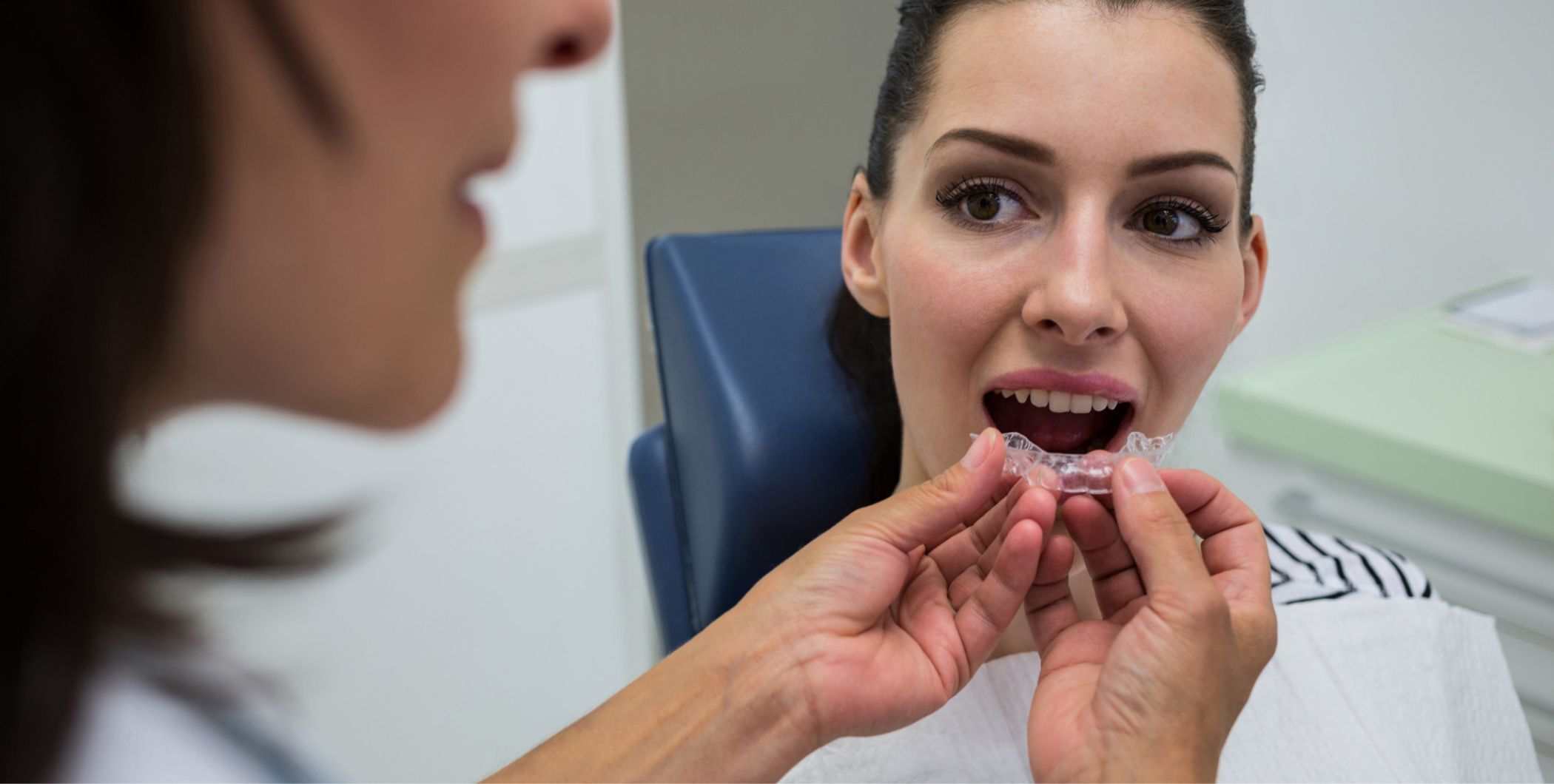

Clear aligners have changed the way people straighten their teeth. They’re subtle, easy to wear, and fit naturally into everyday life without the look or hassle of metal braces. Still, almost everyone has the same concern before starting: Do aligners hurt?
Well, sometimes they can. Usually, there is a little discomfort, especially during the first few days or when you switch to a new aligner tray. And that’s totally normal, rather it is a sign that your aligners are working. But some people do feel pain.
Sometimes, this pain is normal. But if it persists or is unbearably intense, then that’s a cause for concern. Let’s explore more about this.
Why Do Clear Aligners Cause Discomfort?
Clear aligners work by applying controlled pressure to move your teeth gradually into alignment. That pressure is essential for results, but it can cause temporary soreness. Here are the common reasons aligners hurt:
- Teeth shifting into new positions
- Pressure from a new aligner tray
- Gum sensitivity during early treatment
- Tight-fitting aligners that haven’t settled yet
This discomfort is actually a sign that your aligners are doing their job.
How Long Does It Take for Aligners to Stop Hurting?
Most patients report the most discomfort during the first week of treatment or when switching to early aligner trays. Later stages usually feel easier because your teeth are already accustomed to movement. For most people, clear aligner discomfort follows a predictable pattern:
- First 1–3 days: Mild to moderate soreness
- Days 4–7: Pain noticeably reduces
- After one week: Aligners feel comfortable
If your new aligner tray hurts, expect sensitivity for a day or two. By the time you’re ready to switch trays again, your teeth have already adapted.
How to Relieve Tooth Pain From Aligners Naturally
Here are proven ways to reduce pain, discomfort, or sensitivity associated with wearing aligners.
Switch to New Aligners at Night
Putting in a new tray before bed allows your teeth to adjust while you sleep. You’ll wake up past the most uncomfortable phase.
Use Cold Compresses
A cold pack on the outside of your cheeks can reduce inflammation and numb soreness. Use for 10–15 minutes at a time.
Take Over-the-Counter Pain Relief
Ibuprofen or acetaminophen can help manage pain during the first day or two. Avoid frequent use unless recommended by your dentist.
Use Aligner Chewies
Chewies help your aligners fit better, reducing pressure points that cause pain. They’re especially helpful when a new aligner tray hurts.
Stay Consistent With Wear Time
Inconsistent wear can make aligners hurt more. Wearing clear aligners for the recommended 20–22 hours a day helps teeth adjust smoothly.
Avoid Hard or Crunchy Foods
Your teeth may already feel sensitive. Stick to softer foods during the first few days after switching trays.
Maintain Excellent Oral Hygiene
Inflamed gums can make discomfort worse. Brush, floss, and clean your aligners daily to prevent irritation.
Now, if you prefer non-medication options, try:
- Rinsing with warm salt water to soothe gums
- Staying hydrated to reduce oral inflammation
- Gentle jaw massages to ease tension
These simple habits can make a noticeable difference. However, if the pain is unbearable or very intense, stop wearing aligners immediately and contact your provider or dentist. That being said, here’s more on tips to reduce clear aligner sensitivity.
When Should You Contact Your Orthodontist?
Mild soreness is normal, but reach out to your provider if:
- Pain lasts longer than 7–10 days
- Aligners feel sharp or ill-fitting
- Gums bleed or swell
- Pain intensity is unbearable
Persistent pain isn’t something you should ignore.
Wrap Up
Feeling sore doesn’t mean something is wrong; it means progress is happening. While many people worry about aligners hurting, the reality is that discomfort is temporary and manageable with the right approach.
By following these aligner pain relief tips and practising good aligner habits, you can stay comfortable and confident throughout your treatment. Clear aligners are designed to work with your lifestyle, and a little patience goes a long way toward achieving a beautifully aligned smile.
FAQs
Q: How do you relieve pain from aligners?
A: Use cold compresses, aligner chewies, over-the-counter pain relief, and switch to new trays at night. Consistent wear also helps reduce pain faster.
Q: How long until aligners stop hurting?
A: Most discomfort fades within 3–5 days. Each new tray may cause brief soreness that resolves quickly.
Q: Why are my aligners so uncomfortable?
A: Discomfort usually comes from pressure as your teeth shift. Poor fit or inconsistent wear can also increase soreness.
Q: What stage of aligners hurts the most?
A: The first few trays and early weeks of treatment tend to be the most uncomfortable.
Q: What hurts more, aligners or braces?
A: Most patients find aligners more comfortable than braces, with fewer mouth sores and less long-term irritation.