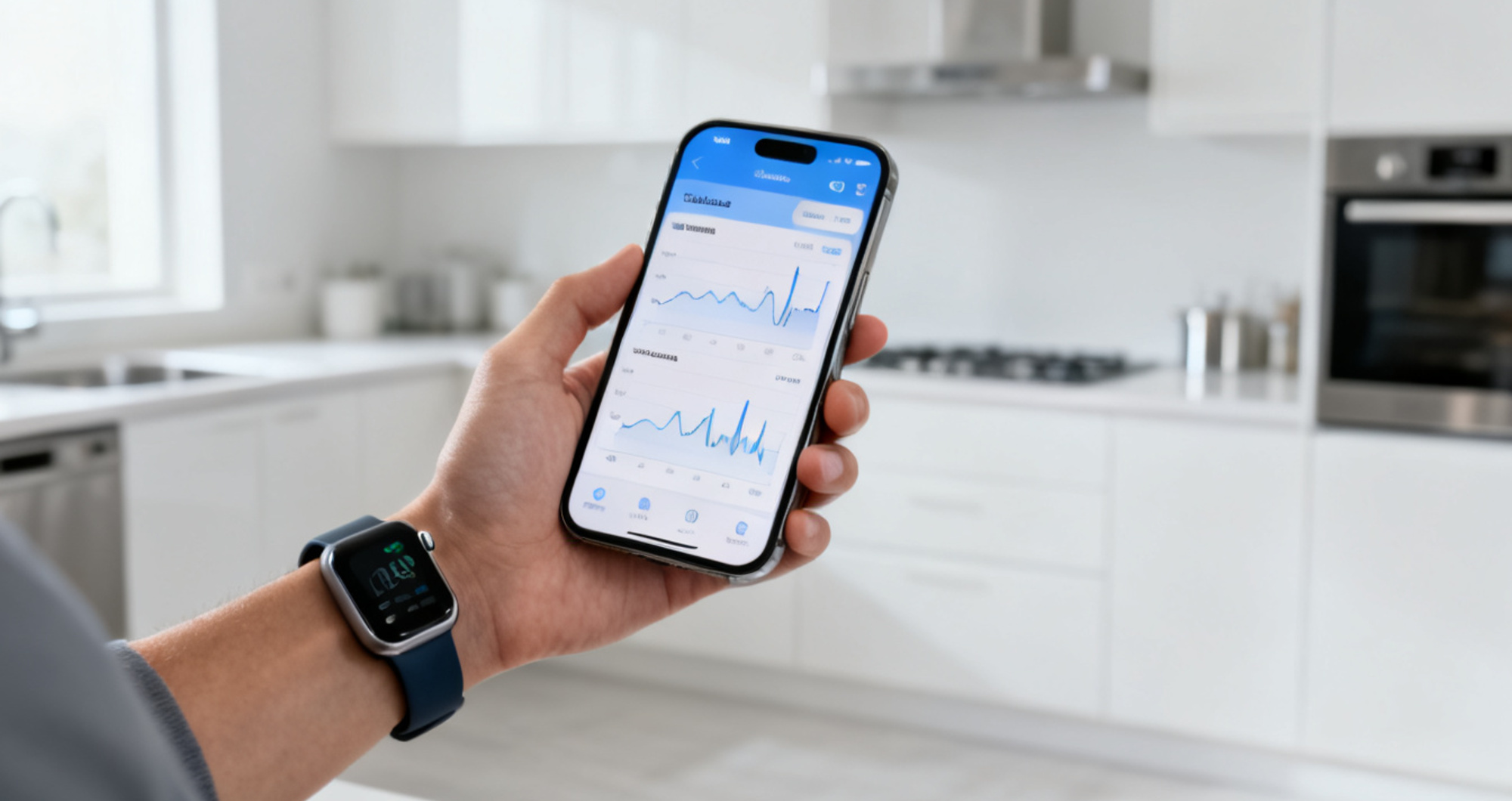

Maintaining metabolic health testing is essential for understanding how your body processes energy, regulates hormones, and maintains overall balance. It involves tracking key metabolic markers such as blood glucose levels, lipid profile, and insulin sensitivity to assess how efficiently your body converts food into energy. Poor metabolic function can lead to fatigue, cardiovascular risk, and chronic disease.
Today, at-home metabolic testing tools—like Continuous Glucose Monitors (CGMs), wearable devices, and home testing kits—make it easier than ever to monitor your metabolic fingerprint in real time. By learning how to measure metabolic health, interpret results, and apply lifestyle changes, individuals can take control of their health proactively and prevent long-term complications.
Metabolic Health Basics
What Metabolic Health Really Means
Metabolic health refers to how effectively your body manages essential processes like glucose regulation, lipid metabolism, and hormone balance. It’s not just about weight—it’s about how well your body converts food into usable energy and maintains stability in critical biological systems.
When your metabolic system is functioning optimally, your body maintains steady blood sugar levels, balanced cortisol levels, and efficient energy use. However, disruptions in these processes can lead to metabolic syndrome—a cluster of conditions including high blood pressure, high blood sugar, and abnormal cholesterol levels.
Why It Matters in Everyday Life
Your metabolic health directly affects your daily performance and long-term well-being. Poor metabolic function can cause:
- Fatigue and energy crashes
- Difficulty losing weight
- Increased chronic disease risk
- Hormonal imbalances
Understanding your metabolic fingerprint helps you personalise your health strategy. Instead of guessing what works, you can rely on measurable data to guide decisions about diet, exercise, and stress management.
Important Markers to Track
Key Metrics for Metabolic Health Testing
To truly understand your metabolism, you need to track specific metabolic markers. These provide insight into how your body handles glucose, fats, and hormones.
Here are the most important ones:
- Blood glucose levels – Measures sugar levels in your bloodstream
- Fasting blood glucose – Indicates baseline glucose control
- Haemoglobin A1c (HbA1c) – Shows average blood sugar over 2–3 months
- Fasting insulin – Helps assess insulin resistance
- Lipid profile – Includes cholesterol and triglycerides
- Thyroid-stimulating hormone (TSH) – Reflects thyroid function
- Cortisol levels – Indicates stress response
- Free testosterone – Impacts energy and metabolic rate
Understanding the Data
| Marker | What It Shows | Why It Matters |
|---|---|---|
| Fasting Blood Glucose | Baseline sugar level | Identifies prediabetes indicators |
| HbA1c | Long-term glucose trends | Predicts chronic disease risk |
| Fasting Insulin | Insulin response | Detects insulin resistance |
| Lipid Profile | Cholesterol levels | Assesses cardiovascular risk |
| TSH | Thyroid activity | Impacts metabolic rate monitoring |
Tracking these metrics regularly allows you to monitor changes and adjust your lifestyle accordingly.
How Poor Metabolic Health Affects Your Body
Short-Term and Long-Term Effects
When metabolic health declines, the body struggles with glucose regulation and energy production. This leads to immediate symptoms like fatigue and energy crashes, as well as long-term complications.
Short-term effects include:
- Brain fog
- Sugar cravings
- Post-meal glucose spikes
Over time, poor metabolic health increases the risk of:
- Metabolic syndrome
- Cardiovascular disease
- Type 2 diabetes
The Role of Insulin and Glucose
Insulin sensitivity plays a crucial role in maintaining stable blood sugar levels. When your body becomes insulin resistant, it requires more insulin to manage glucose, leading to imbalances.
This affects:
- Blood sugar stabilisation
- Lipid metabolism
- Hormonal balance
Understanding these effects helps you recognise early warning signs and take preventive action.
At-Home Testing Tools and Devices
Making Metabolic Health Testing Accessible
Advancements in technology now allow individuals to test metabolism without lab visits. At-home metabolic testing tools provide real-time insights into your health.
The main tools include:
- Continuous Glucose Monitor (CGM)
- Wearable devices
- Home testing kits
Each tool serves a unique purpose and provides different types of data.
Continuous Glucose Monitors (CGMs)
A Continuous Glucose Monitor (CGM) tracks real-time glucose levels throughout the day. It provides insights into:
- Post-meal glucose response
- Time in Range (TIR)
- Blood sugar fluctuations
The Ambulatory Glucose Profile (AGP) generated by CGMs helps visualise patterns over time, making it easier to understand how diet and glucose spikes affect your body.
Wearable Devices
Wearable devices track physical activity, sleep, and sometimes metabolic rate monitoring. These devices help connect lifestyle habits with metabolic outcomes.
They provide data on:
- Exercise and insulin sensitivity
- Sleep and metabolic health
- Heart rate variability
Home Testing Kits
Home testing kits allow you to measure biomarkers using a finger prick test. These kits typically assess:
- Lipid profile
- HbA1c
- Hormone levels
They are convenient and effective for periodic testing.
Step-by-Step Testing Guide
How to Prepare for Testing
- Fast for 8–12 hours before blood tests
- Avoid intense exercise before testing
- Maintain normal hydration
- Get adequate sleep
How to Use a Continuous Glucose Monitor (CGM)
- Apply the sensor to your skin
- Sync it with a mobile app
- Monitor real-time glucose tracking
- Review your AGP data
How to Collect Samples for Home Testing Kits
- Clean your finger
- Use a lancet to collect a small blood sample
- Apply it to the test strip or container
- Send it to a lab if required
How to Read Your Results and Take Action
Reading Your Test Results
- Time in Range (TIR) for glucose stability
- HbA1c for long-term trends
- Lipid profile for heart health
Interpreting Home Testing Kit Results
- Frequent glucose spikes indicate poor glucose regulation
- High fasting insulin suggests insulin resistance
- Abnormal cortisol levels may indicate stress imbalance
Making Changes to Improve Your Health
Once you understand your data, you can take action.
Dietary Adjustments
- Reducing refined carbs
- Increasing fiber intake
- Managing diet and glucose spikes
Exercise and Movement
- Strength training
- Walking after meals
- Consistent activity
Sleep and Stress Management
- Managing cortisol levels
- Practicing stress management
- Prioritising quality sleep
Monitoring Your Progress
- Changes in blood glucose levels
- Improvements in insulin sensitivity
- Reduction in fatigue and energy crashes
Consistency is key for long-term success.
Getting Personalised Help with Vively
Real-Time Feedback and Coaching
Vively is a digital health platform that helps users monitor metabolic health through CGM data and personalised coaching. It provides real-time feedback to help users adjust lifestyle habits.
Data-Driven Insights
The platform analyses your metabolic markers to give tailored recommendations based on your metabolic fingerprint.
Community Support and Education
Users gain access to educational resources and a supportive community, making it easier to stay consistent.
Integration with Other Health Data
Vively integrates data from wearable devices and home testing kits to provide a complete health overview.
Warning Signs to Watch For
- Prediabetes indicators
- Persistent fatigue and energy crashes
- Unstable blood sugar levels
- Increased cardiovascular risk
When to Get Professional Help
- HbA1c levels are consistently high
- You experience severe symptoms
- Results indicate metabolic syndrome
Healthcare professionals can provide advanced diagnostics and treatment.
Conclusion: Taking Control of Your Metabolic Health
Understanding how to measure metabolic health empowers you to take control of your well-being. By using tools like CGMs, wearable devices, and home testing kits, you can monitor your body’s response to diet, exercise, and stress in real time. Tracking metabolic markers such as blood glucose levels, insulin sensitivity, and lipid profile allows you to identify risks early and make informed decisions. With consistent monitoring, lifestyle adjustments, and the right support systems, improving metabolic health becomes a practical and achievable goal.