

Here’s a surprising fact: 76% of customers who conduct a search engine optimisation near me query on their phones will visit a business within 24 hours.
People actively searching for local businesses are usually ready to make quick decisions. Google and other search engines remain the go-to choice for 83% of consumers looking for local businesses. The data shows 60% of these users directly contact companies through Google’s search results.
Local search optimisation does more than just improve visibility. Companies that appear in Google’s coveted local 3-pack see 126% more traffic and drive 93% more actions compared to lower-ranked businesses. Google search attracts 72% of consumers, while 51% use Google Maps to find local business information.
Local Google search needs a different strategy than traditional SEO, which aims for broad visibility. Your Google Business Profile (GBP) is a vital part of this ecosystem because Google relies heavily on this information to rank local searches. The right categories and their optimisation can boost your local search visibility by a lot.
This piece will show you how businesses can utilise their GBP to capture those high-intent “near me SEO” queries and turn them into real customers at your doorstep.
Understanding ‘Near Me’ Search Intent
The digital world of local search has changed dramatically due to one striking trend: “near me” searches have surged over 500% in recent years. This rise shows a basic change in how consumers find and connect with local businesses.
What makes ‘near me’ searches different
“Near me” searches show high-intent, location-based queries that use words like “near me” or “nearby” to get local results. Google now treats “near me” as a proximity signal instead of a regular keyword. The U.S. market currently has about 5.9 million “near me” keywords that generate 800 million monthly searches.
The numbers tell an impressive story. “Open now near me” searches have increased by 400%. Mobile searches that combine “where to buy” and “near me” have jumped over 200%. These stats reveal that customers want quick solutions close to home.
Implicit vs. explicit local queries
Local search queries are split into two types: implicit and explicit searches. Users make explicit local searches by adding location details, like “Italian restaurant San Francisco”. Implicit searches work differently – they don’t mention location but still show local results because Google spots the local intent.
A search for “dentist” typically shows a local pack of results without any location mentioned. Google achieves this by studying search patterns to figure out which queries need geographic relevance. The system uses the user’s IP address and device location to deliver results based on proximity.
Why these searches convert better
“Near me” searches really shine when it comes to driving sales. About 76% of mobile users who look for something nearby visit a related business within 24 hours. The numbers speak for themselves – 28% of these nearby business searches lead straight to a purchase.
These searches reveal strong buying intent. They catch people right when they’re ready to make decisions. Someone searching for a “florist near me” wants to buy flowers, not read about them. Today’s shoppers often pick convenience over brand loyalty.
These searches work well because they catch people at the right moment in their buying trip. Users have finished their research and stand ready to act.
How Google Interprets Local Intent
Google’s search algorithm shows remarkable sophistication in understanding users’ local intent. A complex system works behind the scenes to determine which businesses show up in valuable local search results.
Google’s local algorithm: relevance, distance, prominence
Google has confirmed that local search rankings depend on three factors that work together to match users’ queries:
- Relevance shows how well a business matches a search query. This covers business categories, website keywords, and user-generated content. Google understands your services better with complete business profiles.
- Distance measures how far businesses are from the searcher. Businesses closer to users rank higher for “search engine optimisation near me” queries. Google might expand its search radius to find more relevant options.
- Prominence looks at a business’s reputation both online and offline. Review numbers, citation quality, backlinks, and web presence all play a role. Businesses with frequent mentions and stronger reputations tend to rank better.
How location signals influence results
Google uses several ways to find a user’s location:
- IP address gives a general geographic area
- GPS data from mobile devices provides precise targeting
- Wi-Fi and cell tower signals help pinpoint the location
- Past searches and saved locations add context
In fact, 30% of all mobile searches relate to location. Google figures out local intent automatically for many searches, even without “near me” terms. To cite an instance, a “pizza” search shows nearby businesses without any location qualifiers.
The role of mobile and personalisation
Mobile devices created a fundamental change in local search behaviour. Local searches happen 84% of the time on smartphones and tablets. Mobile searches with local intent grow 50% faster than other mobile searches.
This trend led Google to adopt mobile-first indexing. The mobile experience now directly affects local search rankings. Businesses need a strong mobile presence since one in three users looks for local businesses through voice searches daily.
Google says they “don’t really do much personalisation” in general results. Location-based personalisation remains a key factor, though. The places you visit often and your search history can affect which businesses appear in your results.
Optimising Your GBP for ‘Near Me’ SEO
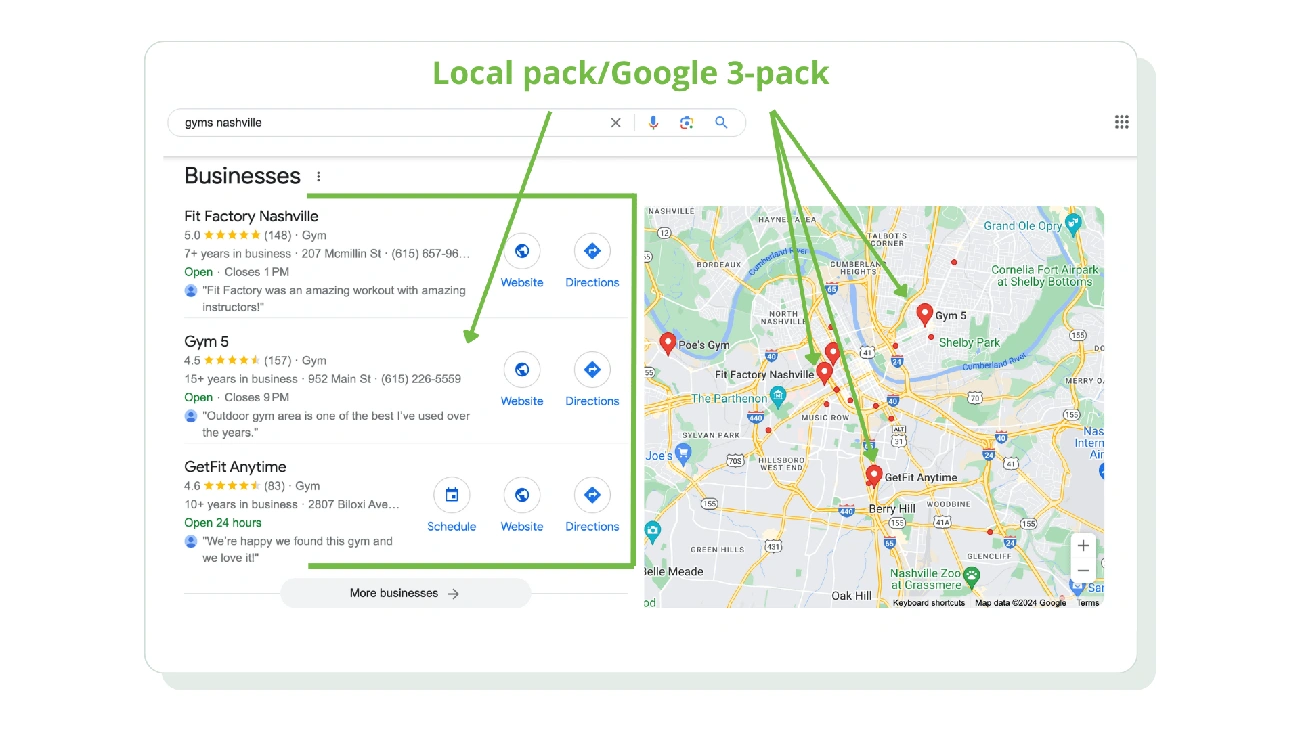
Image Source: World Lifestyler
Your path to local visibility starts with a well-optimised Google Business Profile (GBP). This profile is the lifeblood of your local search success and directly determines if your business shows up when customers look for services nearby.
Claim and verify your Google Business Profile
You’re missing out on opportunities if you haven’t claimed your GBP. The verification process makes you the official owner and lets you control your business information and handle reviews. Google gives you several ways to verify – phone, email, postcard, and sometimes even live video calls. This step shows both Google and potential customers that you’re trustworthy.
Use accurate and consistent NAP data
Your success in local search depends on keeping your NAP (Name, Address, Phone) consistent everywhere online. Search engines might see inconsistencies as different businesses, which could hurt your local search visibility. The good news is that accuracy matters more than perfect formatting – Google knows that “St” and “Street” mean the same thing. All the same, 93% of consumers report frustration when they find wrong directory information.
Add relevant categories and services
Your choice of primary category sends one of the strongest signals to Google’s algorithm. You can add up to 10 categories (1 primary + 9 secondary), but top-ranking local businesses usually stick to just 1-3 focused categories. Categories tell Google what kind of business you are, while services spell out what you actually offer.
Incorporate natural ‘near me’ language in content
Google handles “near me” and “near you” phrases pretty much the same way. Your content will sound better if you use “near you” instead of awkward phrasing. Your loyal customers might help by mentioning in their testimonials how your location made them choose your business.
Utilise customer reviews with local context
Reviews boost your rankings and help build trust. Businesses see a 15-20% jump in search traffic once they get at least 10 reviews. Top Google local pack positions average 404 reviews, while positions three through five average 281. Responding matters too – your conversion rate goes up by 4.1% for every quarter of reviews you answer.
Future-Proofing Your Local Visibility

Image Source: SAMW
AI technology’s rapid rise is changing how users connect with local businesses. AI chatbots saw more than 55 billion visits between April 2024 and March 2025—an 80% year-over-year increase. Local businesses need to update their search strategies beyond traditional methods.
Adapt to AI-driven search behaviour
AI-powered search tools have transformed how potential customers look for nearby services. Many users now prefer to chat with AI assistants rather than typing “search engine optimisation near me” into Google. Your business information must stay clear and consistent on every platform that AI tools check. Companies can use AI-powered keyword research to spot location-specific queries that show local intent, like “certified transmission specialist with same-day service”.
Use schema markup for local relevance
Schema markup code helps search engines and AI understand your business details correctly. The LocalBusiness schema markup shows specific details about your location, hours, and services. This code acts as a hidden translator between your content and search algorithms. It creates rich results with visual elements like star ratings and business hours right in the search results. Pages that use schema markup rank about four positions higher than those without it. The markup also works well for voice search, which matters as voice assistants give more local information.
Maintain omnichannel consistency across platforms
Today’s customers might find your business on Google, read reviews on Facebook, and buy from your website. Your information needs to stay consistent on all these platforms to build trust with customers and search algorithms. Research shows that 73% of consumers think AI will make customer service better. Another 70% spend more money with companies that offer smooth conversational experiences on all channels. A consistent brand message prepares you for AI search tools that gather information from multiple sources.
Conclusion
A well-optimised Google Business Profile helps you tap into the full potential of high-intent “near me” searches. People searching for nearby services are ready to make quick buying decisions. Businesses that utilise their GBP properly gain an edge over competitors who ignore local SEO basics.
Google’s local algorithm relies on three key elements: relevance, distance, and prominence. These factors determine which businesses show up in local search results. Your business needs to focus on all these aspects, not just location. Strong local search visibility comes from consistent NAP across platforms, smart category choices, and quality reviews.
Mobile optimisation plays a crucial role since 84% of local searches happen on smartphones and tablets. Voice searches are becoming more popular too, which makes mobile-friendly experiences vital for handling conversational queries.
Your business must adapt to AI-driven search behaviour by using proper schema markup and keeping information consistent across platforms. While traditional search methods still matter, AI assistants and chatbots point to a transformation in how people find businesses. Companies that prepare for this progress will stay visible no matter how search technology changes.
Note that winning “near me” searches takes more than just showing up in results. You need accurate information that helps motivated customers find and choose your business. With proper GBP optimisation, you can connect with nearby customers right when they’re ready to act.