

London hosts some of the busiest and most complex events in the UK, from open-air concerts in Hyde Park to trade exhibitions at ExCeL and sporting events across Wembley. To the public, everything often feels seamless. Gates open on time, crowds move in the right direction, and staff appear exactly where they’re needed.
What isn’t visible is the constant communication happening in the background. Event teams are spread across large areas, often dealing with thousands of attendees at once. Coordinating movement, safety, logistics, and timing requires a system that works instantly and without confusion.
The Challenge of Communication in Crowded Spaces
One of the biggest challenges at large-scale events is maintaining reliable communication. Mobile networks, while generally dependable, can struggle under heavy congestion. When thousands of people are using their phones in the same location, delays and dropped connections become more common.
In these moments, even a short delay can slow down response times. Whether it’s redirecting a crowd, handling a delivery issue, or responding to a safety concern, communication needs to be immediate rather than delayed by network limitations.
Why Direct Communication Still Matters
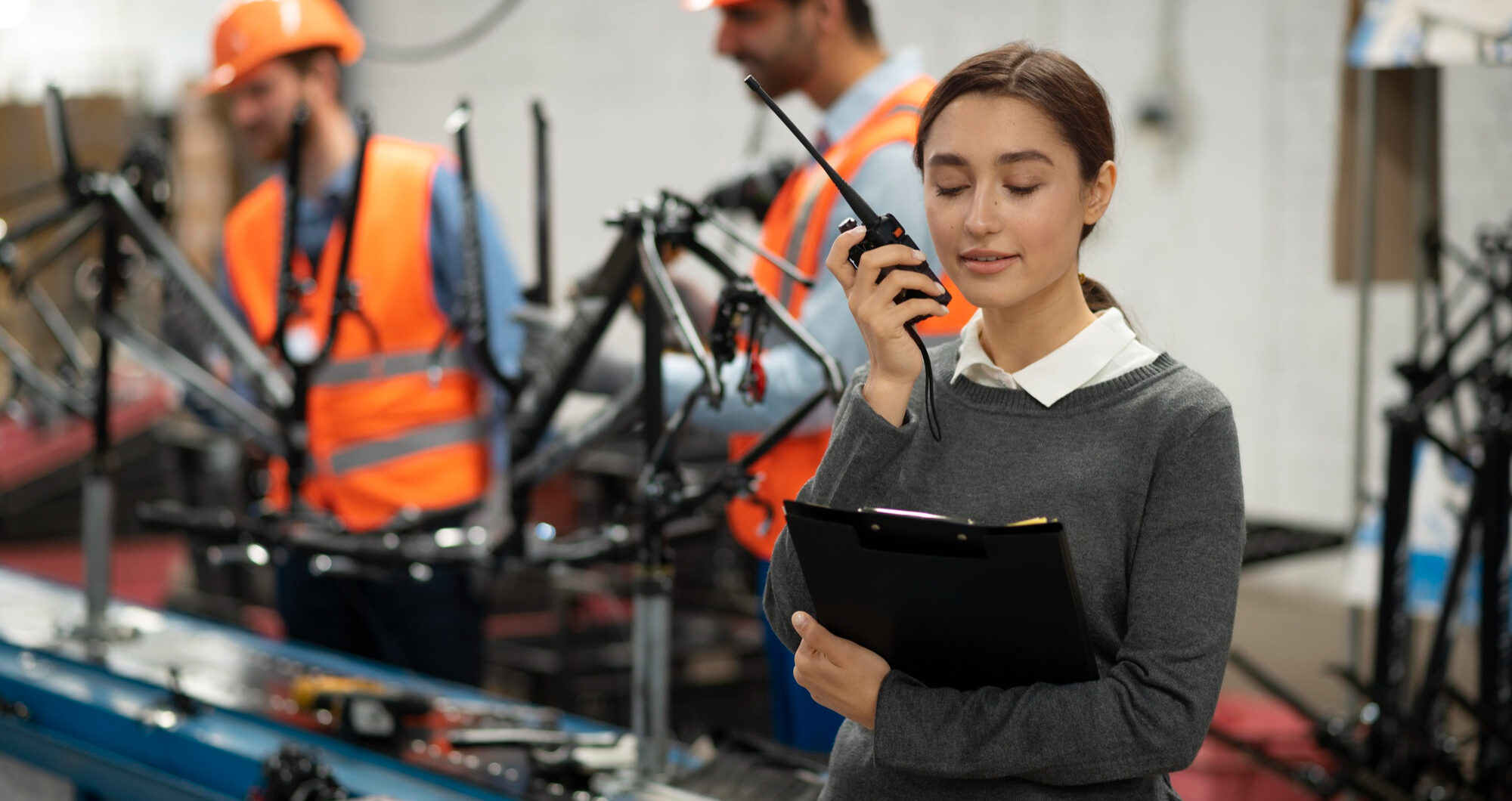
This is where direct communication systems come into play. Devices such as Motorola two-way radios are widely used in event environments because they allow teams to communicate instantly with the press of a button.
There’s no need to dial, wait, or rely on signal strength in the same way as a phone. Messages are delivered in real time, and multiple team members can receive the same information simultaneously. This makes coordination faster and more consistent across different parts of a venue.
Managing Large and Complex Venues
London venues are rarely straightforward. Many are spread across multiple zones, with indoor and outdoor sections, restricted access areas, and high-traffic public spaces.
Staff may be positioned at entrances, monitoring crowd flow, managing backstage operations, or handling technical setups. Keeping all of these roles aligned requires a communication method that works across distance without interruption.
Two-way radios provide that connection, allowing teams in different areas to stay in sync without needing to move between locations or depend on separate communication tools.
Supporting Safety and Quick Response
Safety is a central concern at any major event, and communication plays a direct role in how effectively situations are handled. When something unexpected happens, teams need to share information clearly and act without delay.
Using motorola two way radios, staff can relay updates as they happen, request assistance, and coordinate responses across multiple teams. This helps reduce confusion and ensures that everyone involved is working with the same information at the same time.
Keeping Everything Running on Time
Beyond safety, there is also the matter of keeping the event running smoothly. Timings, deliveries, staffing changes, and technical adjustments all need to be managed continuously throughout the day.
Without reliable communication, small issues can quickly turn into larger disruptions. A delayed delivery or a miscommunication between teams can affect schedules and create unnecessary pressure.
Having a direct and dependable way to communicate helps keep operations on track and allows teams to adjust quickly when needed.
Why This Approach Remains Relevant
Despite the wide range of modern communication tools available, the demands of large events haven’t changed. They still require speed, clarity, and reliability above all else.
That is why devices like Motorola two-way radios continue to be used in these environments. They are designed for a specific purpose and perform consistently under conditions where other tools may struggle.
Final Thoughts
The success of London’s biggest events depends on more than planning and organisation. It relies on how well teams can communicate in real time, especially when conditions become unpredictable.
While most attendees never notice it, the systems used behind the scenes play a key role in keeping everything running smoothly. In environments where timing and coordination matter, having the right communication tools in place makes all the difference.







