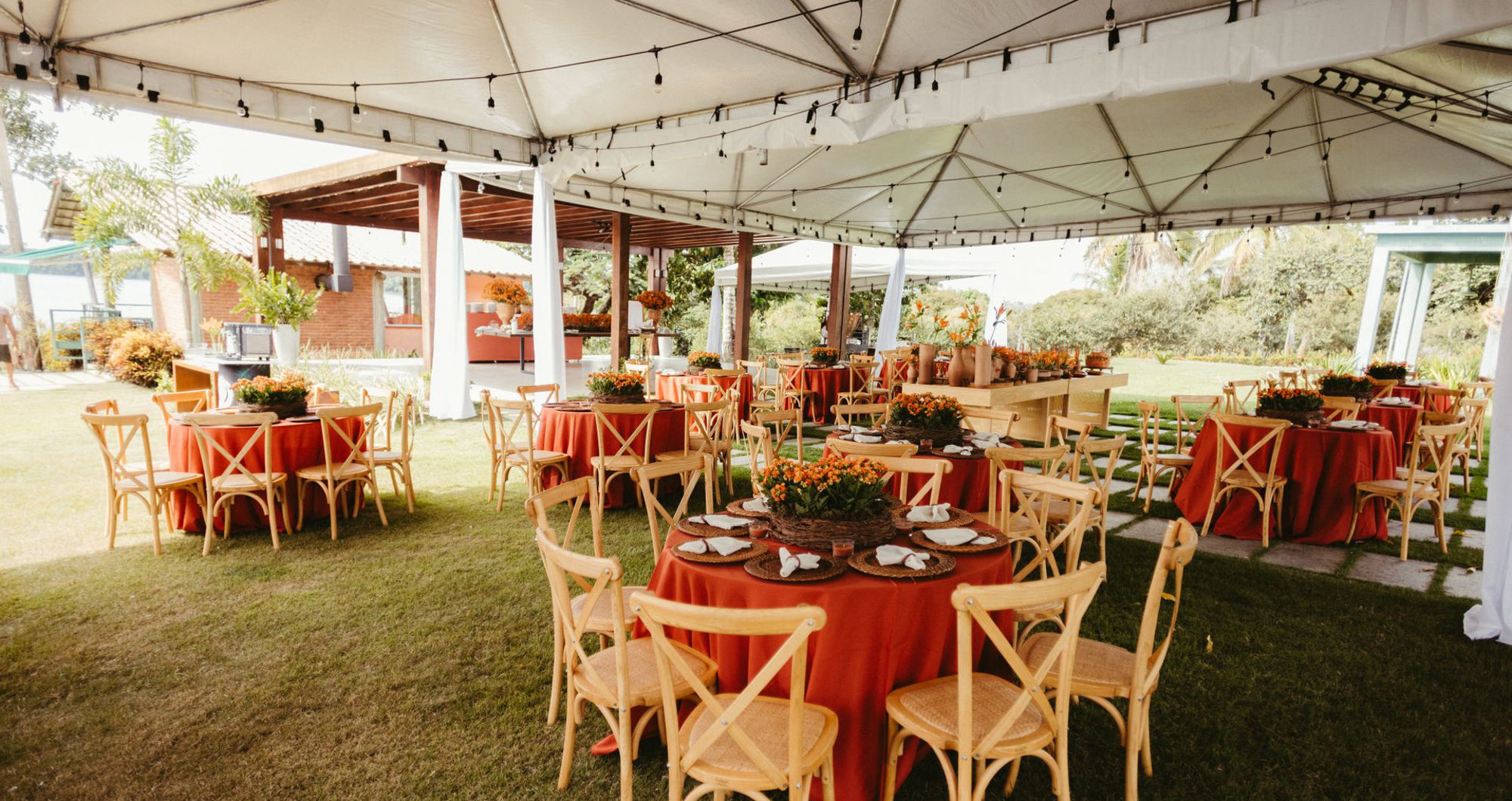

Anyone who’s organised an outdoor event in the UK knows the deal. You can plan for months, book every supplier and sell every ticket, and still find yourself watching the sky the night before.
In 2019, Boardmasters festival in Cornwall was cancelled just hours before gates opened due to storm warnings, and waterlogged fields have forced the cancellation of county shows across Wales in recent years. The organisers who get through bad weather without a disaster aren’t lucky, and that’s what we’ll go through here.
Risk Assessments Start Months in Advance
Professional event organisers don’t wait until the week before to think about weather. A formal weather risk assessment is one of the first documents they’ll produce, often months ahead of the event date. The Health and Safety Executive expects every outdoor event plan to include one, and most local authorities won’t grant permission without it.
A good risk assessment will cover wind speed and direction, expected rainfall and its impact on the terrain, and temperature extremes. It’ll also identify every structure on site and set out what conditions each one can safely operate in. Even a village fete with a couple of gazebos needs someone thinking about what happens if gusts pick up.
Wind Speed Cut-Offs and On-Site Monitoring
Wind is the single biggest threat to outdoor event structures. The industry trade body MUTA and the Institution of Structural Engineers both recommend active wind monitoring using an anemometer, a handheld device that measures wind speed in real time. Smartphone weather apps aren’t accurate enough because they don’t account for localised conditions on your specific site.
Most commercial weatherproof marquees are rated to withstand winds of around 39 to 45 mph when correctly anchored and tensioned. But that assumes proper installation on suitable ground. An exposed hilltop field will behave very differently to a sheltered walled garden.
Event professionals will set clear wind speed thresholds in their safety plan, triggering specific actions: closing open-sided structures, evacuating certain areas, or shutting the whole event down. Having those numbers agreed in advance means nobody is making panicked decisions in the moment.
Ground Conditions and Drainage Planning
Rain affects whether an event can physically operate. Saturated ground can make vehicle access impossible, turn walkways into hazards and compromise the anchoring that keeps marquees and stages in place.
Good organisers will visit the site well before the event and check how the ground drains. Low-lying areas, clay-heavy soil and fields near rivers are all red flags. If the ground can’t handle heavy rain, they’ll bring in trackway matting for vehicles, lay woodchip on pedestrian paths and position marquees on the best-drained part of the site.
How to Anchor Structures Correctly
This is where a lot of things go wrong, especially at smaller events. A marquee that isn’t anchored to the correct standard is a serious safety risk. The HSE has noted that wind has been a contributory cause in collapses of temporary structures in the UK, including cases where wind speeds were within what should have been manageable limits.
On soft ground, deep stakes are the standard method, but they need a ground pull test to confirm the soil can hold them. On hard surfaces like tarmac, heavy ballast weights or bolt-down systems are needed instead. Anchoring has to match the ground type and the structure. A set of water-filled weights from a DIY shop won’t cut it for anything larger than a small pop-up gazebo.
A Quick Weather-Proofing Checklist
For organisers putting together their own weather plan, these are the essentials:
- Write a weather risk assessment specific to your site and structures
- Set wind speed thresholds that trigger defined actions, including full closure
- Use an anemometer for on-site wind readings, not weather apps
- Check ground conditions and drainage well ahead of the event
- Confirm every temporary structure is properly anchored for the ground type
- Have a communication plan so everyone on site knows what to do if conditions worsen
Don’t Leave It to Luck
The UK will always throw bad weather at outdoor events. The difference between an event that rides it out and one that ends up in the news for the wrong reasons comes down to preparation.
Risk assessments, proper structures, correct anchoring and clear protocols aren’t exciting, but they’re what separates professionals from people who hoped for the best. If you’re planning an outdoor event this year, start with the weather. Everything else is easier to fix.
Feature image by Pexels