
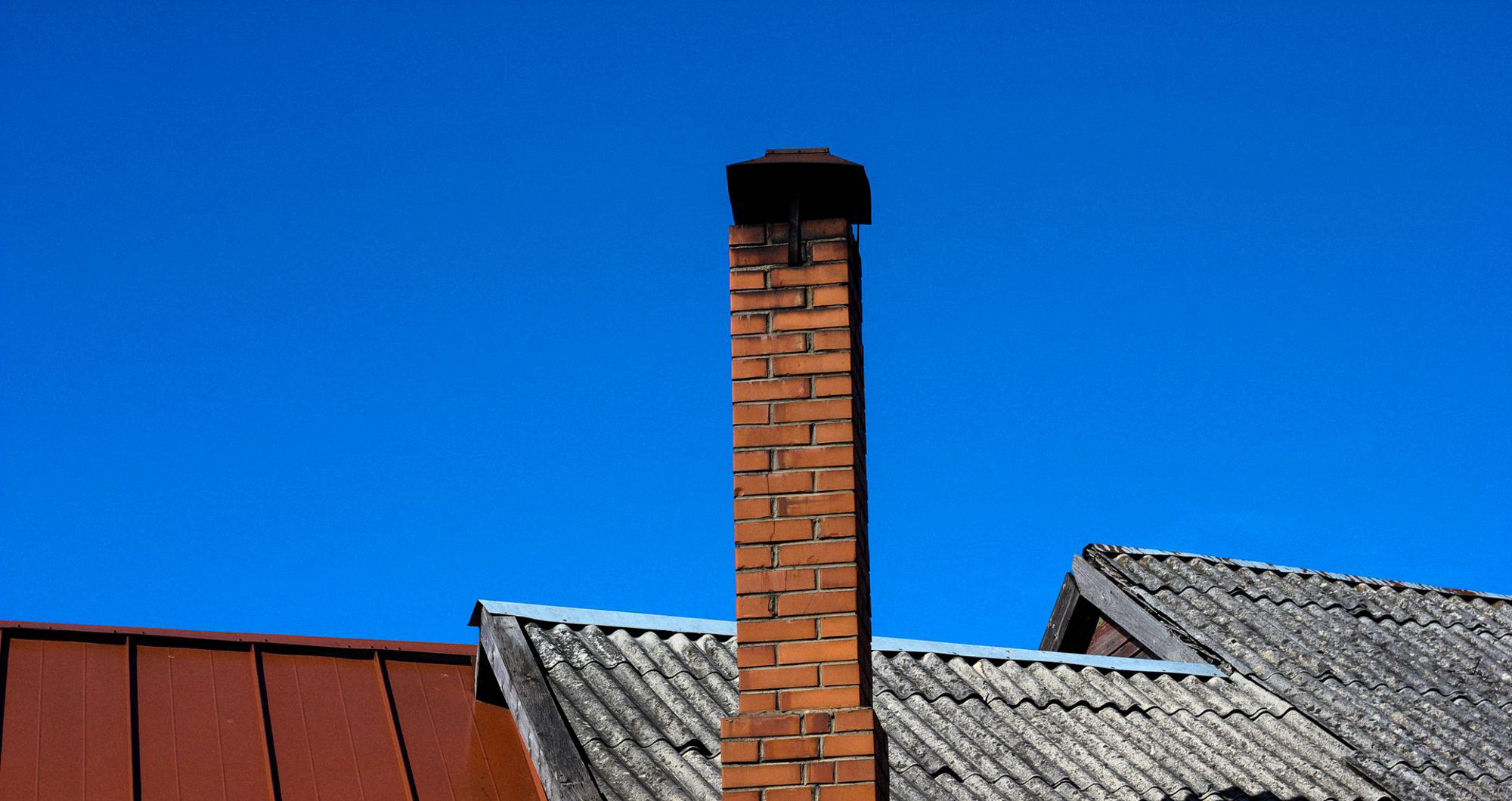

As the nights draw in and the heating goes on, many London homeowners notice problems that were quietly building all year. Two of the most common involve chimneys: damp patches around the fireplace, and stacks that no longer sit straight.
When the damp is not where the leak is
Brown stains, peeling paint, bubbling plaster, or a musty smell around a chimney breast usually point to water getting in from outside. The problem is rarely the internal wall itself. Water typically enters through failed flashing, crumbling mortar, or damaged weatherproofing on the stack, then travels down through the brickwork, sometimes appearing several feet below the entry point.
That is why surface fixes tend to fail. Repainting a damp wall without finding the source only hides the symptom. A proper survey looks at the flashing where the stack meets the roof, the pointing, the brickwork, and the crown at the top. Specialists offering chimney breast leak repair will usually trace the moisture, repair or replace the failed element, and then deal with any internal damage once the wall has dried.
Warning signs to check
- Brown stains or damp patches around the chimney breast
- Peeling wallpaper or flaking plaster
- A musty smell or visible mould
- Crumbling mortar or flaking bricks on the stack, visible from the street
- A cold, damp feel to the wall
Never climb onto a roof to look. Binoculars from the ground, or a check in the loft, are safer.
Leaning stacks need attention
A chimney that leans, even slightly, is more than a cosmetic issue. Causes can include weathered mortar, movement in the structure, or poor original construction. A lean can pull flashing away from the brickwork, letting in water, and in serious cases it can risk masonry falling onto the roof or pavement below.
A small lean that has been there for decades may be stable, but any change should be taken seriously. Photograph the stack from the same spot every few months, and ask a professional to assess it if the angle appears to worsen. Many London terraces share chimney stacks with neighbours, so repairs can involve party wall considerations and may need agreement with the adjoining owner. Homeowners weighing up fixing a leaning chimney should expect a survey first, followed by options that range from repointing and stabilising to partial rebuilding.
Act before the cold sets in
Water that enters a chimney in autumn can freeze and expand in winter, making small cracks bigger and causing bricks to flake. Early repairs are usually simpler and cheaper than rebuilding later.
If you are unsure what is behind a stain or a tilt, see what we do and book a free survey with Knights Roofing before the worst of the weather arrives.
Feature image by Pexels







