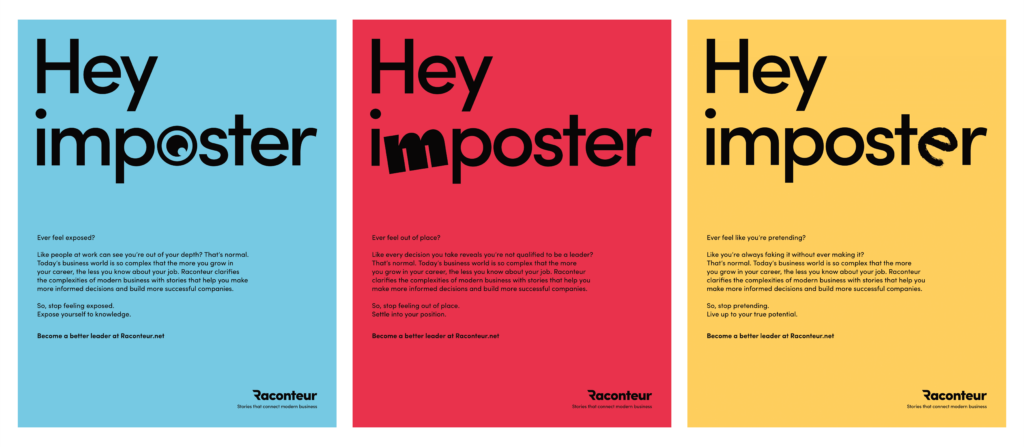
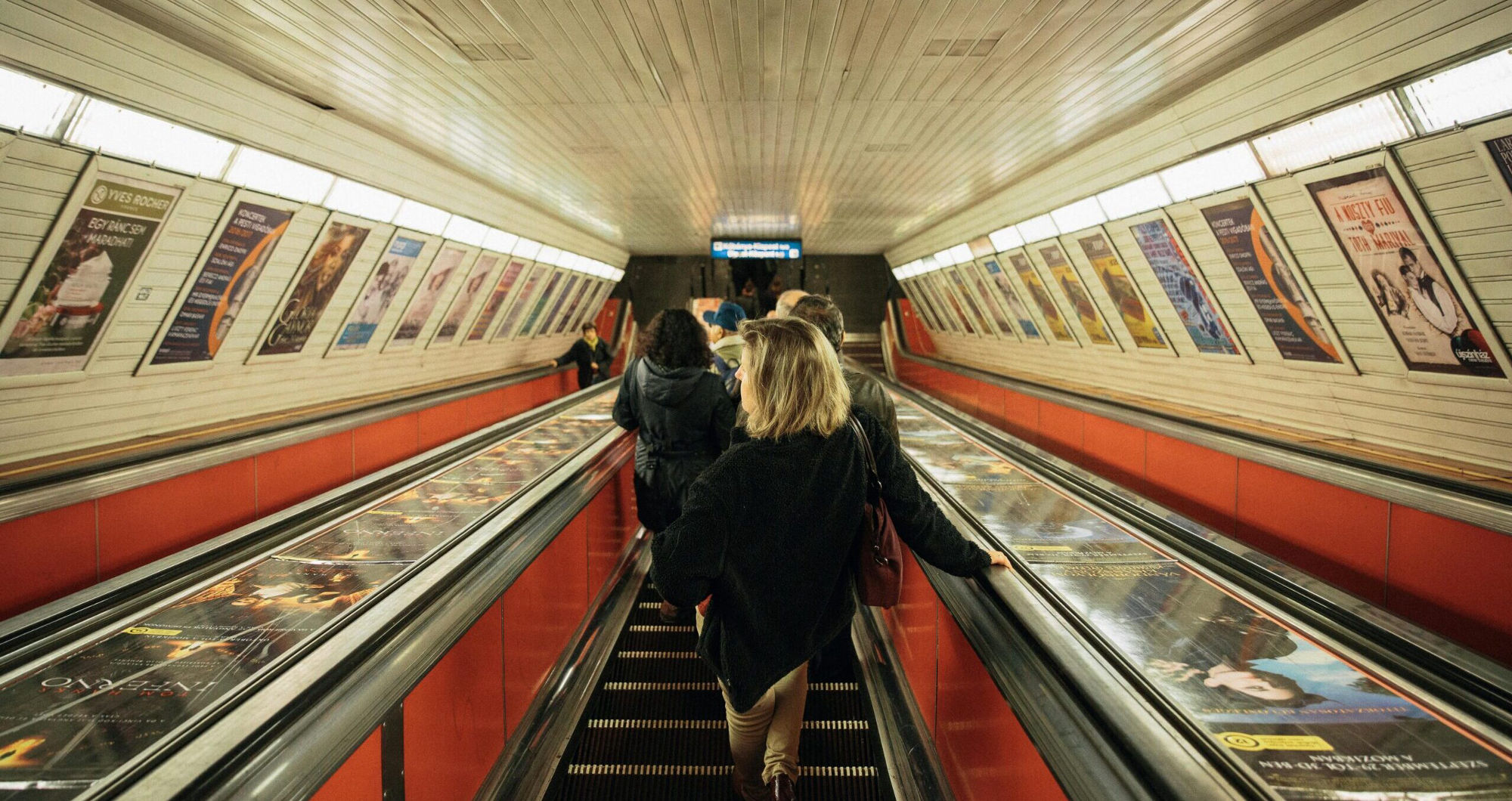

Across London, visual communication plays a central role in how businesses present themselves. From retail storefronts and event promotions to transport advertising and exhibition graphics, printed visuals remain a constant presence in the city’s commercial landscape. Despite the growth of digital media, physical signage continues to hold its value—particularly in high-footfall areas where visibility and impact are essential.
At the centre of this ecosystem is wide-format printing technology, which enables businesses to produce large-scale, high-quality graphics efficiently. Equipment such as the Roland SG series has become increasingly relevant in supporting this demand, particularly for print providers working within fast-paced urban environments.
A City Built on Visibility
London’s commercial environment is highly competitive. Whether in central districts like Soho and Shoreditch or busy high streets across the boroughs, businesses rely on a strong visual identity to stand out.
Printed materials are widely used for:
- Shopfront signage and window displays
- Promotional banners and posters
- Vehicle graphics and wraps
- Exhibition and event branding
In many cases, these materials need to be produced quickly while maintaining consistent quality, especially for campaigns tied to seasonal promotions or short-term events.
The Role of Modern Print Technology
To meet these demands, print providers require equipment that balances speed, precision, and reliability. Systems like the Roland SG are designed for wide-format printing, allowing operators to produce both graphics and cut vinyl within a single workflow.
This combination supports:
- Efficient production of complex designs
- Reduced turnaround times for client projects
- Consistent colour output across multiple prints
- Flexibility across different materials and applications
For London-based print shops handling varied client requests, this level of adaptability is essential.
Supporting Small Businesses and Creative Industries
London’s economy is heavily driven by small businesses and creative enterprises. Independent retailers, pop-up events, and local brands often rely on printed materials to establish presence without the scale of larger advertising budgets.
Accessible printing technology enables:
- Short-run production for limited campaigns
- Customised designs tailored to specific audiences
- Rapid updates to branding or messaging
- Greater control over marketing materials
This is particularly important in areas where businesses need to respond quickly to trends or seasonal demand.
Events, Exhibitions, and Temporary Installations
The city’s event culture—ranging from trade shows and exhibitions to festivals and local markets—creates ongoing demand for temporary visual installations.
Wide-format printing supports:
- Large banners and backdrops
- Directional signage for venues
- Branded displays and stands
- Short-term promotional materials
Because these projects often operate on tight timelines, the ability to produce high-quality prints quickly becomes a key operational advantage.
Balancing Quality and Efficiency
In a city where visual standards are high, print quality cannot be compromised. At the same time, efficiency remains critical due to the volume of work and the pace of business.
Technologies like the Roland SG help address this balance by:
- Delivering detailed print output suitable for close viewing
- Maintaining consistency across different print runs
- Streamlining production processes
For print providers, this translates into the ability to handle both large-scale jobs and smaller, customised orders without sacrificing quality.
Final Thoughts
London’s visual environment is shaped by a constant flow of printed communication. From storefronts to events, physical graphics remain an essential part of how businesses engage with their audiences.
As demand continues, the role of reliable, flexible printing technology becomes increasingly important. Solutions such as the Roland SG series support this ecosystem by enabling efficient production while maintaining the quality expected in one of the world’s most competitive commercial landscapes.