
Living in London, it is surprisingly easy to stop noticing just how extraordinary the city around us is.
We hurry past historic buildings on our way to meetings. We cross bridges recognised around the world without giving them a second thought. We move between centuries of history and some of the world’s newest businesses almost without noticing the contrast.
Sometimes it takes somebody from overseas to remind you.
I was reminded of that recently while spending time in London with American entrepreneur Kevin Frey, a frequent visitor to the capital for both business and pleasure.
Kevin considers London one of the best cities in the world. What particularly appeals to him is not one attraction or one industry, but the combination: history, business, sport, fashion, art and people from almost every part of the world.
Looking at London through the eyes of a visitor made me think again about what makes this city so special.
A City Where History Is Still Part of Everyday Life
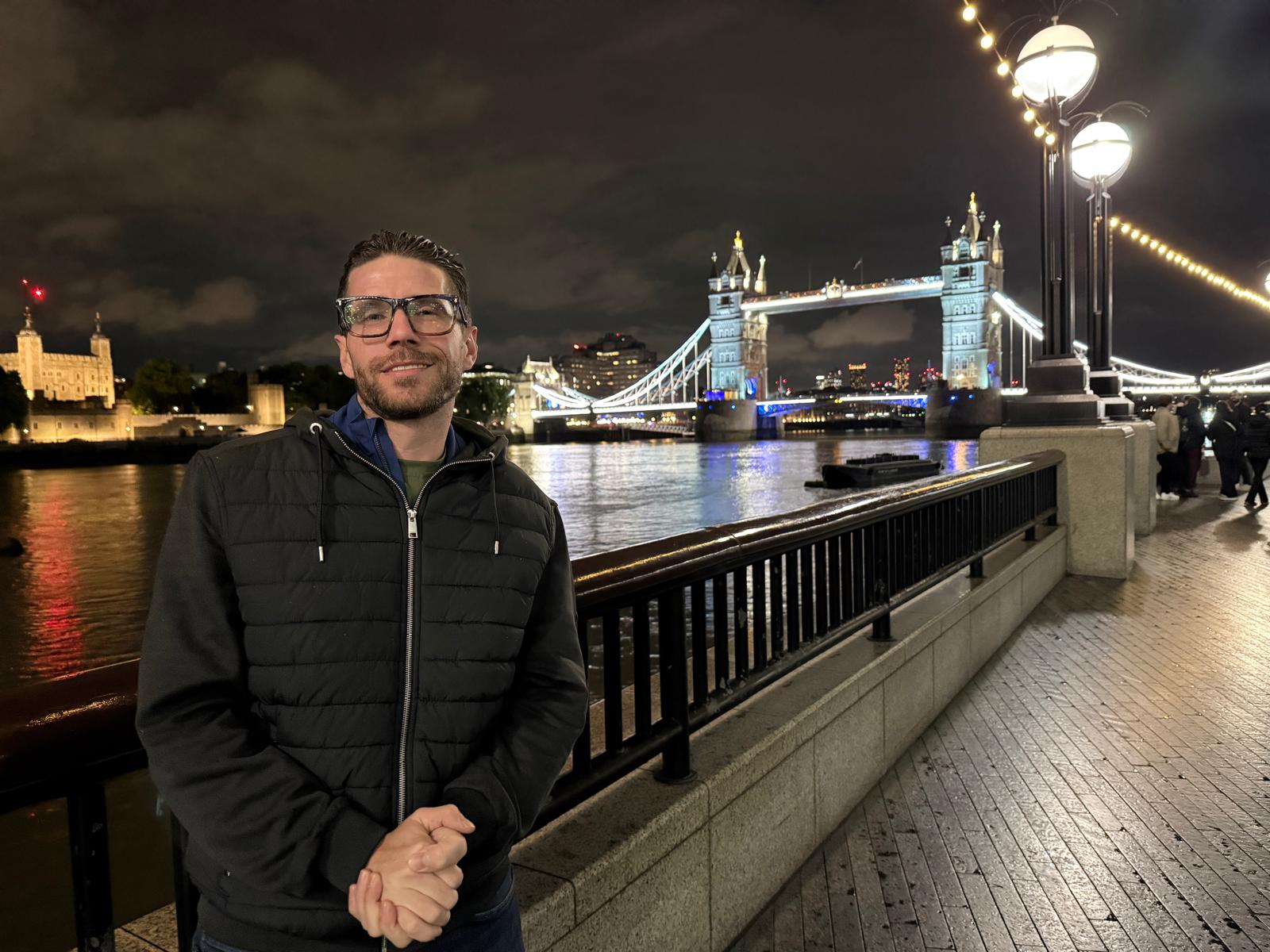
Standing beside the Thames at night, with Tower Bridge illuminated across the water, it is difficult not to appreciate London’s ability to make history feel alive.
This isn’t history locked away behind museum doors. It surrounds everyday London life.
People commute past it. Entrepreneurs hold meetings beside it. Visitors photograph it. Restaurants, offices, galleries and new businesses operate within streets shaped generations ago.
That relationship between old and new is one of London’s great strengths.
The capital doesn’t have to choose between celebrating its past and creating its future.
It does both simultaneously.
From Tower Bridge to Savile Row
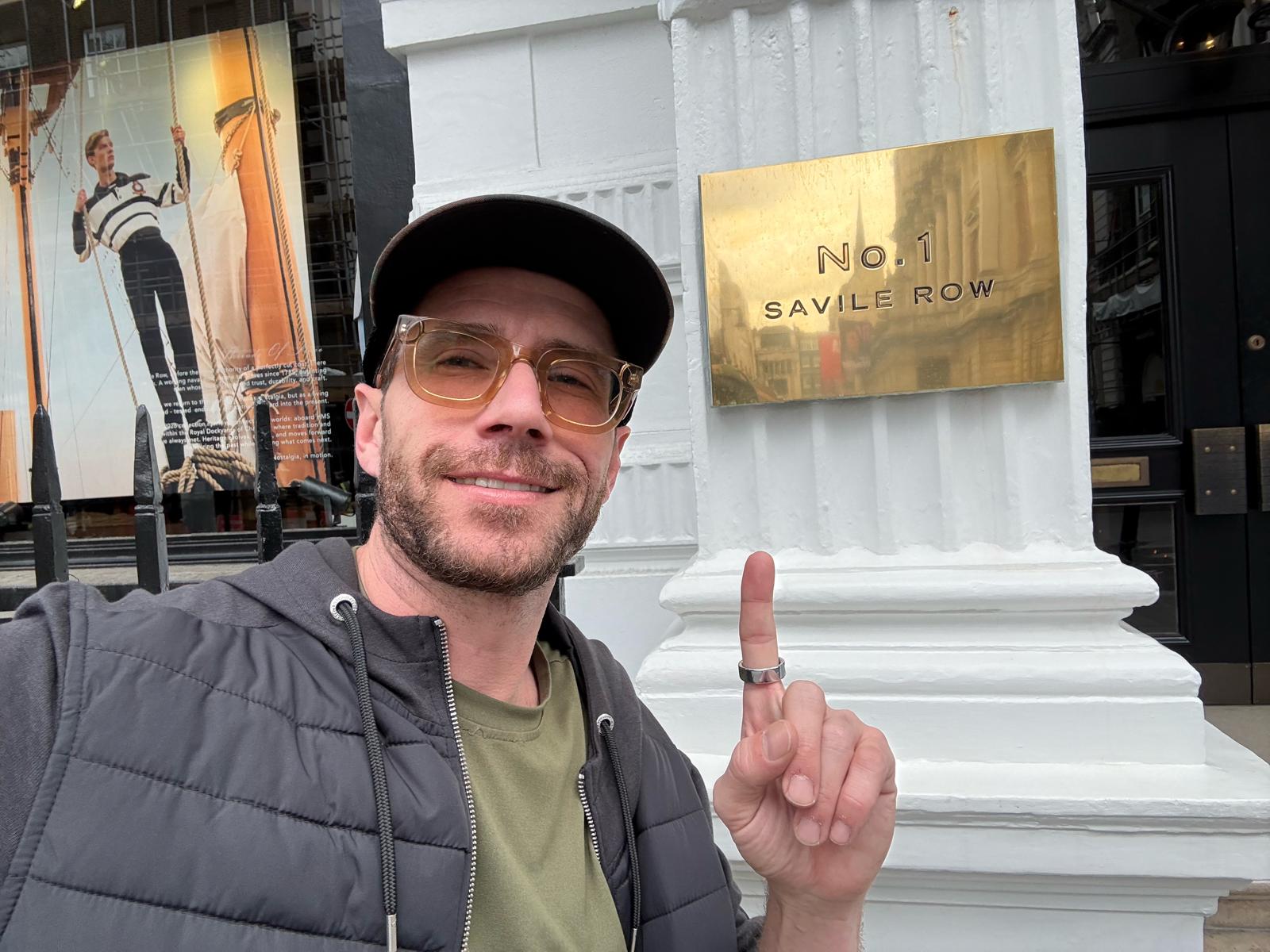
Iconic Savile Row
That becomes equally apparent when you move across the city.
Take Savile Row.
Its name is known internationally as a symbol of British tailoring and craftsmanship. Walking along the street is an encounter with a tradition stretching back generations, yet fashion itself never stands still.
London’s fashion industry is now international, entrepreneurial and increasingly connected with media, technology, entertainment and business.
That is something I have witnessed through my own involvement in London fashion events.
The interesting part isn’t simply what happens on the catwalk. It is what happens around it.
Designers meet photographers. Models meet entrepreneurs. Businesspeople meet creatives. Visitors from overseas meet Londoners.
Ideas move between industries.
And that is where London becomes particularly interesting.
Where Creativity Meets Commerce

Fashion at The Courthouse Hotel, London
The same pattern appears throughout the capital.
London’s creative industries don’t exist in isolation from its business community. Fashion, film, art, music and media all require commercial relationships, investment, audiences and opportunities.
At the same time, businesses increasingly recognise the importance of creativity, storytelling and culture.
London provides an environment in which those worlds continually collide.
A fashion event can become a business networking opportunity. An exhibition can introduce an artist to a potential client. A conversation between two people from completely different industries can produce an idea neither arrived with.
Some of London’s greatest opportunities aren’t necessarily created in boardrooms.
They begin through encounters.
A Global Capital for Sport
Sport adds another dimension.
For an overseas visitor interested in the sporting world, London’s offering is remarkable.
Football is woven into the identity of communities across the capital, with numerous professional clubs and generations of supporters.
Then there is Lord’s, one of cricket’s most famous grounds; Wimbledon and its place in international tennis; Twickenham and rugby; athletics; and the continuing sporting legacy of the London Olympics.
But sport today is also business.
It intersects with technology, investment, fashion, health, media, sponsorship and international commerce.
That creates opportunities well beyond what happens on the pitch.
For entrepreneurs looking at the future of sport, London provides access not simply to sporting institutions, but to many of the industries surrounding them.
Where Ideas Meet Investment
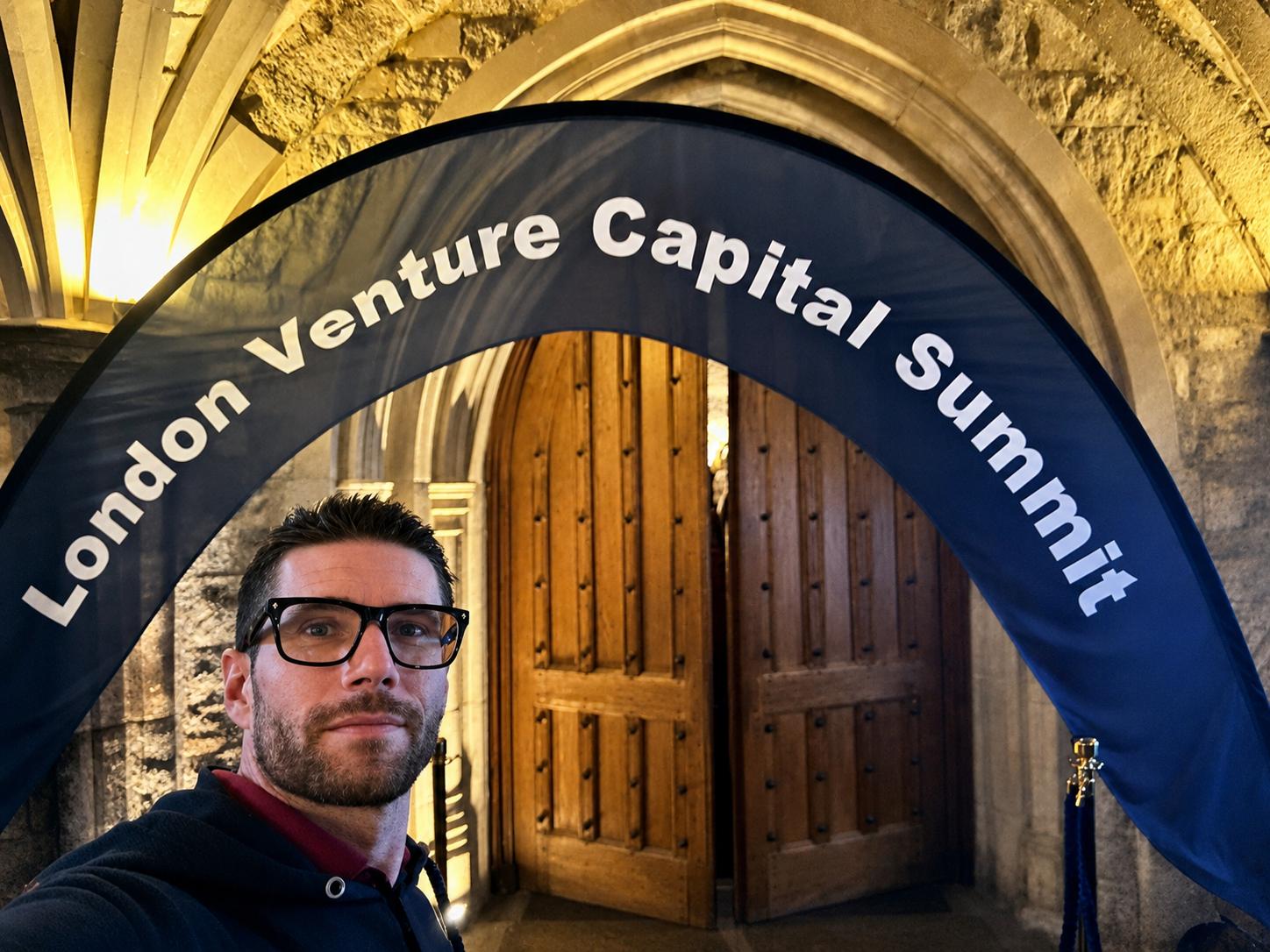
Then there is London’s financial identity.
London’s financial district has long attracted entrepreneurs and investors from around the world. Today, discussions at events such as the London Venture Capital Summit move effortlessly between artificial intelligence, biotech and clean technology, highlighting how quickly the city’s economy continues to evolve. Just a short distance from London’s historic landmarks, entrepreneurs are shaping businesses that barely existed a decade ago.
London’s history provides its identity, but innovation continually reshapes its future.
The city’s strength comes partly from having both.
Capital, ideas, talent and international connections exist within the same ecosystem as centuries of culture and tradition.
Taking Networking Underground
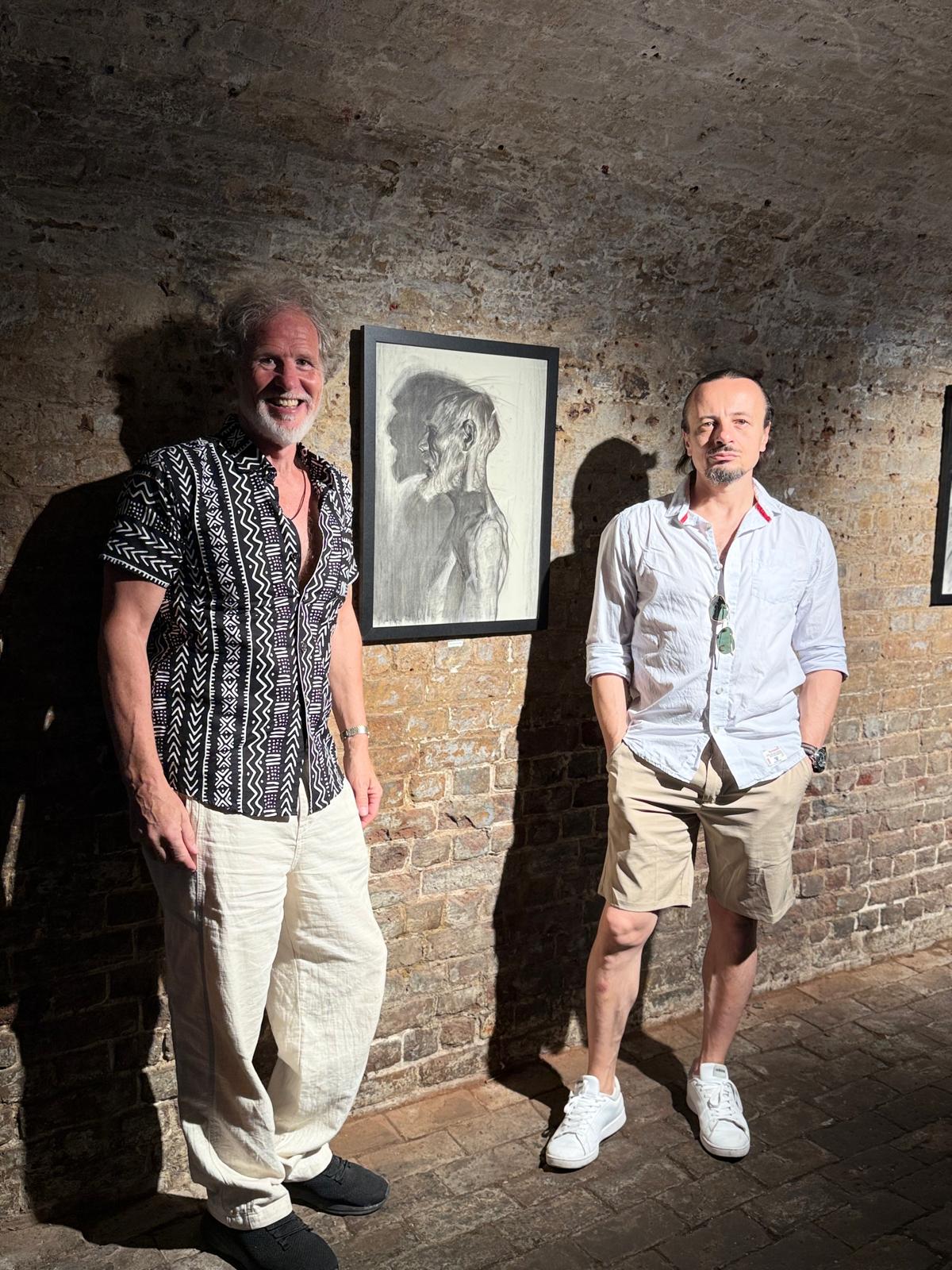
Meeting the Artist Kan Muftic
Perhaps one of my favourite recent reminders of London’s character came somewhere completely different: underground.
The Crypt Gallery provides the sort of setting that could only really belong to a city like London.
Descending into the historic space, the atmosphere changes. Exposed brickwork, arches and the sense of age provide a dramatic setting for contemporary artwork.
Seeing artists exhibiting there made an immediate impression on me.
Here was London’s past physically surrounding its present-day creativity.
It also demonstrated why galleries and unusual cultural spaces matter to the wider life of the capital.
Art brings together people who might otherwise never meet.
Artists, collectors, visitors, entrepreneurs, tourists and local residents can find themselves sharing the same relatively small space, looking at the same work but seeing something entirely different.
London has countless conventional networking venues.
But sometimes the most memorable conversations happen somewhere unconventional, even beneath its streets.
London’s Real Strength Is Its Connections
Tower Bridge, Savile Row, London’s football grounds, Lord’s, financial events and an underground art gallery might initially appear to have very little in common.
But perhaps that is precisely the point.
London’s strength isn’t in any single one of them. It has all of them.
Few cities combine history, finance, fashion, art, technology, sport and such an international population within one place.
More importantly, London allows people to move between those worlds.
An entrepreneur can attend an investment meeting and an exhibition on the same day. A designer can meet somebody from the technology industry. An overseas business visitor can discover British craftsmanship on Savile Row before meeting investors or watching Premier League football.
Those experiences overlap.
And when people overlap, ideas do too.
Seeing London Again
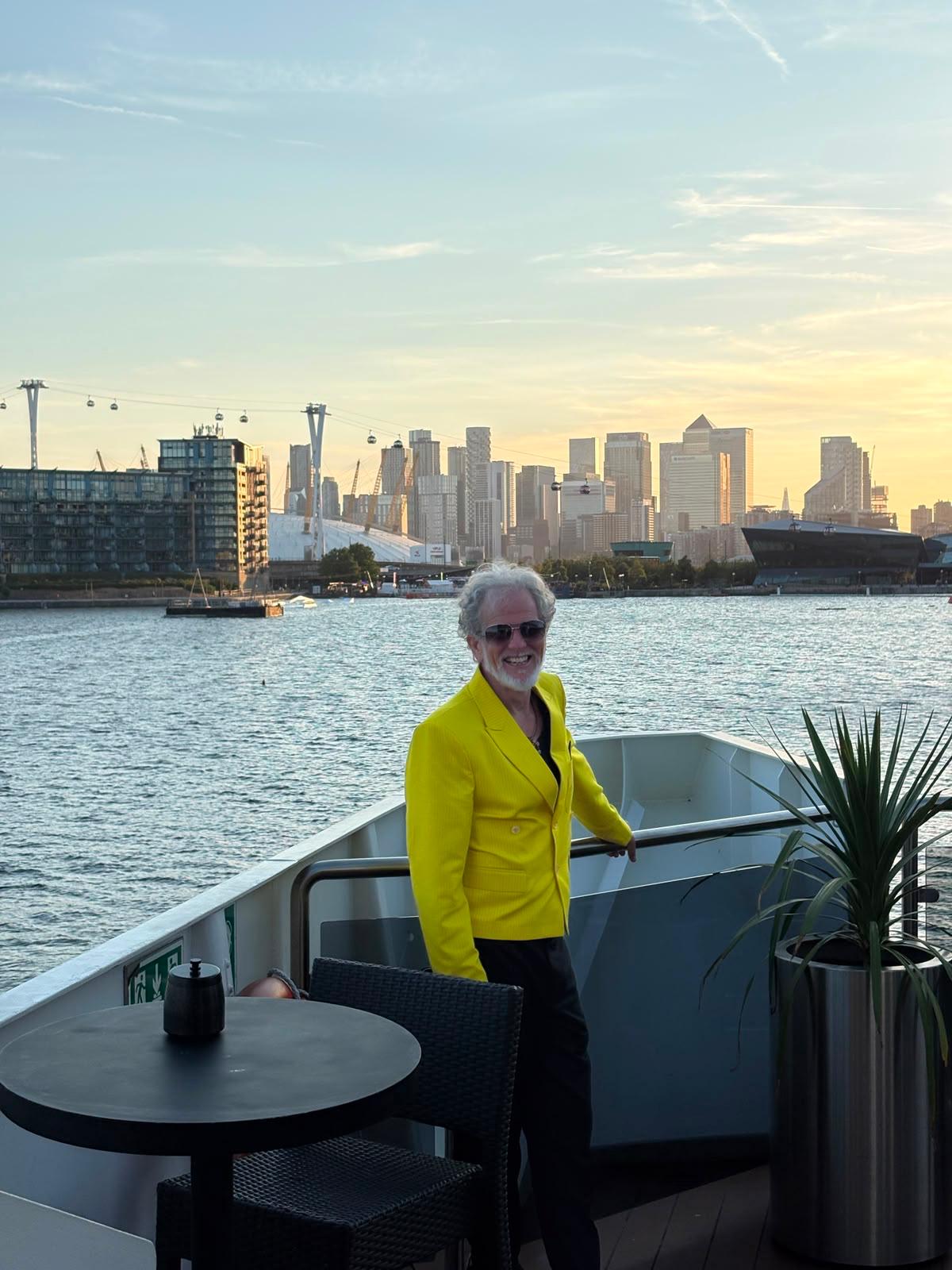
An iconic view of London from the Seaborn Yacht Hotel
That is why I enjoy seeing London through the eyes of international visitors.
Their enthusiasm reminds those of us who live here to look up occasionally.
Look at the architecture.
Walk beside the Thames.
Explore a gallery you’ve never visited.
Walk down a street you’ve passed a hundred times and discover its history.
Talk to somebody from another country and ask what they see in London that perhaps we no longer notice.
Visitors remind us that London remains one of the relatively few places where the past, present and future coexist so visibly.
People continue arriving here with ideas, ambition and curiosity because London offers something difficult to manufacture artificially: connection.
London creates connections between countries, industries, creativity and commerce. Above all, it brings people together, and that may ultimately be its greatest strength of all.