

Leadership training is a multi-billion-dollar market packed with models covering strategy, communication, decision-making, performance and leadership skill gaps.
And yet leaders continue to search for support—avidly reading blogs, undertaking training and subscribing to podcasts. Despite this investment, organisations remain stuck in cycles of reactivity, mistrust, poor decision-making, particularly under pressure. Working in Board Level HR, with a Master’s in Consulting and Leading in Organisations with systems psychodynamic , and coaching senior leaders in complex environments, I have reached a clear conclusion: leadership rarely fails because leaders lack skill. It fails because leaders are not prepared for the emotional demands of leading systems under strain. This is the aspect of leadership development that remains largely unspoken and unexplored.
Organisations are not rational machines – Organisations are not abstract. They are emotional systems; made up of individuals and the groups they form together. In every organisation and group of humans, uncertainty, anxiety, ambition, rivalry and fear circulate constantly, usually below the surface. During periods of change, growth or threat, these emotional currents intensify as anxiety increases. These very human experiences do not disappear simply because a strategy has been agreed or a transformation plan signed off. Leaders sit at key emotional junction points in the system. Whether consciously or not, groups place leaders into the role of reassurer-expected to provide certainty, stability and meaning. Organisations read leaders carefully for cues for how worried they should be, fast they should move, whether thinking is still possible. Leaders unconsciously replicate the role of the parent from early individual and group life: the figure expected to contain anxiety when others cannot. This is where my containment principle becomes central.
The containment principle – The leader’s capacity to hold anxiety and emotional pressure of the system long enough for it to be thought about, rather than acted out. When anxiety rises, it demands discharge. If it is not contained, it spills into familiar organisational patterns: blame, scapegoating, micromanagement, sudden restructures, or a relentless sense of urgency disconnected from strategy. Leaders are frequently and unconsciously looked to as containers for this anxiety. The task is not to absorb it, nor to deny it, but to process it and return it to allow others to think and act clearly. This concept has roots in psychoanalytic theory, originally observed in the containing role of caregivers. This is not staying calm, projecting confidence or maintaining a positive tone.
Why leadership training rarely addresses this – Most leadership development focuses on behaviour: what leaders should say, do or implement. Containment, by contrast, is about how leaders manage themselves internally while being managed unconsciously by the system. Internal containment must come first. Without it, even well-intended leadership behaviours can increase anxiety rather than reduce it. A leader can communicate frequently and transparently and still destabilise the system if they have not recognised what they are carrying on behalf of the organisation. They can follow every leadership framework and still act in the wrong way, under emotional pressure.
Containment requires leaders to tolerate:
- uncertainty without rushing to answers
- pressure without being mobilised into action
- strong emotion without needing to eliminate it
- criticism without becoming defensive
- dependency without rescuing
- They require reflection, feedback, unlearning—and often guidance from an expert practitioner.
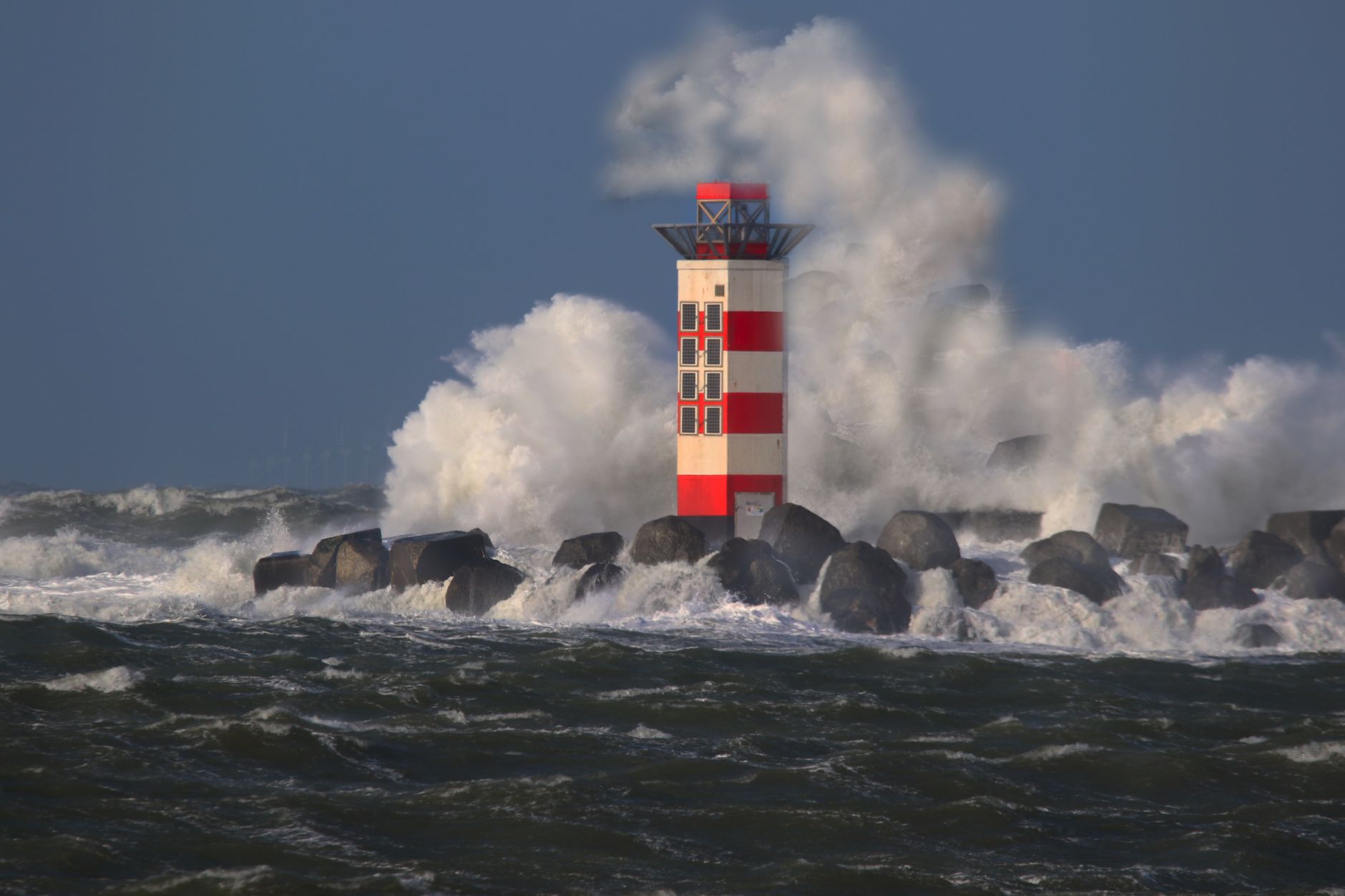
Image by Steffi Wacker on Pexels
Containment in Practice – In organisational life, containment often appears understated. A senior leader who resists the urge to “fix” or names what is happening, slows conversation down to allow thinking. An executive group that stays in dialogue during disagreement rather than splitting into camps. Or a Board that tolerates ambiguity during uncertainty rather than demanding false certainty from management. Crucially, it avoids creating a messianic figure expected to have all the answers. This is not indecision. It is disciplined leadership.
Why containment is uncomfortable – Containment runs counter to cultural expectations of leadership. Organisations often reward speed, certainty, decisiveness, particularly at senior levels. Leaders are frequently promoted because they act quickly and solve problems. Containment asks something more demanding: ability to pause, reflect and remain emotionally present while others are anxious. It requires leaders self containment of anxiety before attempting to hold it for the organisation. This can feel exposing. It can challenge deeply held fears about authority, competence and credibility. Leaders often default to action when what is required is thinking.
The impact on organisations-
- reactivity reduces
- decision-making improves
- conflict becomes helpful
- responsibility is taken rather than displaced Most importantly, organisations stop expending vast amounts of energy managing unprocessed anxiety. That energy becomes available for strategy, innovation and execution.
Five practical leadership tips –
For senior leaders wanting to strengthen their containment capacity, several principles are useful:
- Notice urgency. Urgency is often a signal of anxiety, not importance. Pause before responding.
- Stay in role. Resist being pulled into rescuing, blaming or over-functioning.
- Name what you see. Thoughtful observation can be more containing than reassurance.
- Slow the system down. Thinking deteriorates under anxiety; containment restores it.
- Work on yourself. Leaders who cannot contain their own anxiety cannot contain the system’s.
The leadership lesson they rarely teach- Leadership training rarely states this explicitly: leaders are part of the organisation’s emotional infrastructure. A leader’s presence, ability to think under pressure shape how the system behaves. People respond not just to what leaders say, but how they feel. And when leaders understand this, everything else they have been taught—tools, frameworks and competencies—begin to work. Because now it has something solid to rest on.
About
Claudia De Silva, organisational consultant. I work with senior leaders, executive teams and Boards to focus on building this often-overlooked capacity for containment. Through leadership coaching, organisational consultancy and reflective work with senior systems, I help leaders think more clearly under pressure, stay in role during uncertainty, and lead organisations that are resilient rather than reactive.
For leaders and organisations navigating complexity, sustained pressure, ongoing repeating patterns and issues or significant change, this work provides a different kind of leadership development-one that strengthens not just capability, but psychological robustness at the top of the system. If you would like to work with me please go to www.claudiadesilvaconsulting.co.uk or email [email protected]