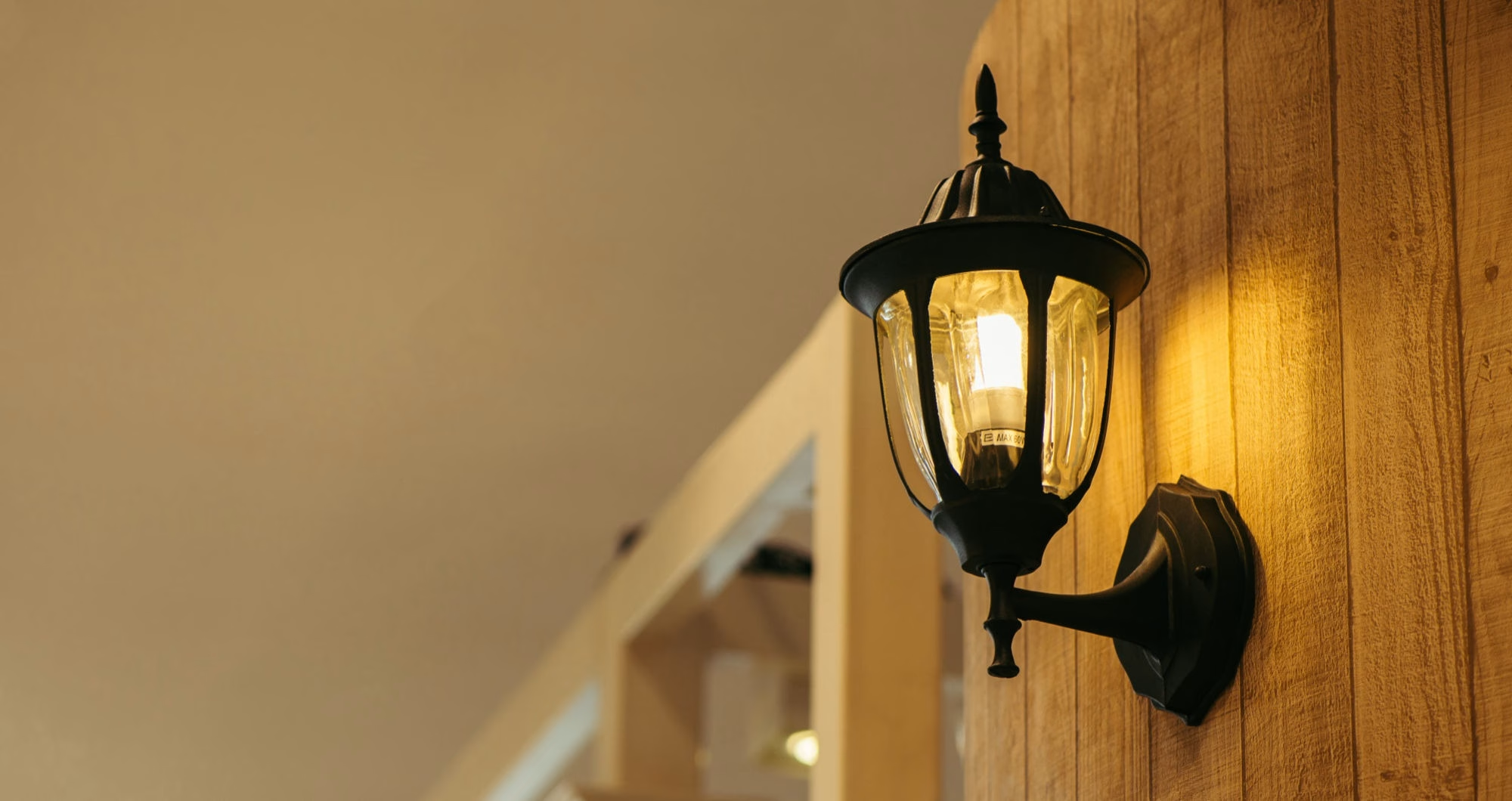

The atmosphere of a home changes when the right light fills each corner. A fixture on the wall can do more than brighten a room. It can guide the mood and highlight features in a subtle yet powerful way.
Every room holds a purpose, and every purpose needs light that fits well. From soft tones that soothe the bedroom to a sharper glow that suits a study area, each fixture speaks differently. When light flows right, the space feels alive and complete.
Interior wall lights are no longer just about utility. They reflect style and comfort in equal measure. A careful choice of fixtures makes each space stand out while also adding harmony to the home.
Why Wall Lighting Matters in Interior Design
Lighting sets the tone of every space, and wall fixtures play a central role. A ceiling light may provide general coverage, but wall lights control depth and warmth. They allow a room to feel balanced while avoiding harsh glare. Placement on the wall also creates visual layers that shape a more welcoming scene.
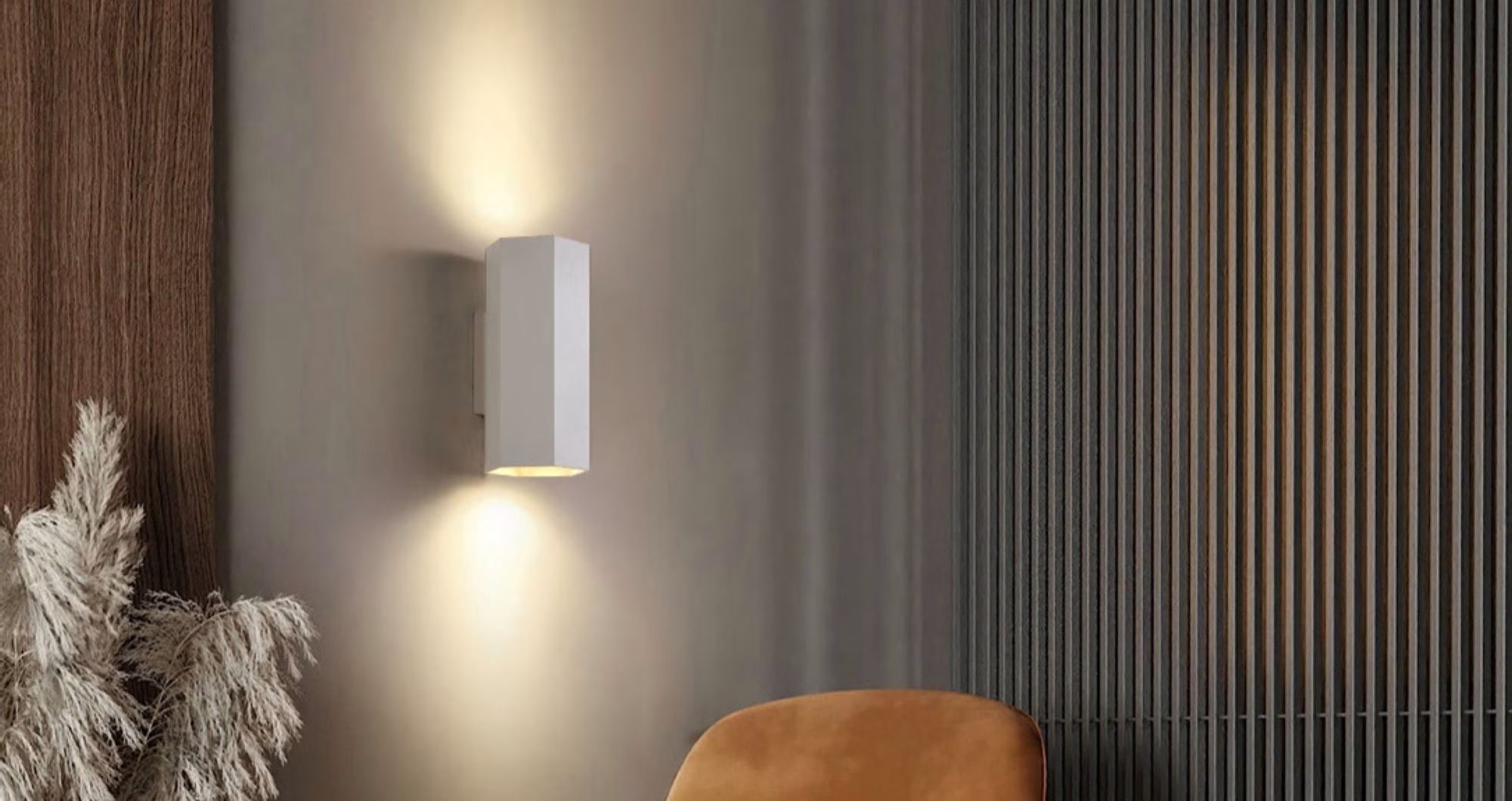
Interior wall light designs fit both modern and classic homes. Some fixtures shine upward to create height, while others direct light downward for tasks. A pair on each side of a mirror adds symmetry and improves clarity. These small choices have a major impact on how a room feels and functions.
Matching Fixtures with Room Purpose
Each room asks for a distinct type of fixture. In a bedroom, soft light close to the wall supports relaxation. Swing arm lamps help with reading without disturbing the calm. For a living room, wall sconces near artwork bring focus while also adding charm.
Bathrooms call for practical light that stays even and bright. Fixtures on each side of the mirror reduce shadows and make the space more comfortable. A hallway works best with multiple wall lights that guide movement in a safe and stylish way. By matching the purpose of the room with the style of furniture, the entire home gains a consistent flow.
Styles that Complement Every Home
Wall lights appear in many forms. Minimal fixtures with clean lines suit modern interiors. Classic sconces with curved arms create a timeless appeal. Rustic designs with natural finishes add warmth to countryside homes. Glass shades deliver elegance while metallic finishes bring a bold touch.
Choosing the right style depends on the story a homeowner wants to tell. A simple brass fixture may enhance vintage furniture, while matte black pieces blend into a sleek modern scheme. Styles matter because they help connect each element of a home into one unified design.
Materials and Finishes
The look and durability of a fixture come from the material. Brass and bronze bring long life and a rich tone. Chrome adds shine to contemporary designs. Wood bases suit cozy spaces and give warmth. Glass diffusers soften the beam while metal shades sharpen the focus.
The finish also affects how light spreads across walls. A polished surface reflects a glow across the room. A matte finish keeps light soft and even. When choosing a wall fixture, the material and finish must align with the mood of the space as much as the design itself.
Light Temperature and Brightness Choices
A fixture not only changes how a room looks but also how it feels. Warm tones near 2700K promote rest and suit bedrooms or lounges. Cool tones closer to 4000K help with focus and belong in kitchens or offices. A dimmable fixture allows flexibility since mood changes throughout the day.
Brightness must also stay balanced. Too little light makes a room dull while too much causes strain. Wall fixtures help achieve this balance by working with ceiling and floor lamps. When used with care, they form layers that make the home feel both useful and beautiful.
Placement Tips for Best Results
Where a fixture sits on the wall determines how well it performs. In bedrooms the light works best about shoulder height near the bed for reading. In living rooms, the height can stay slightly above eye level to spread the glow evenly. Bathrooms need even spacing on each side of the mirror to prevent shadow lines.
Hallways often benefit from lights placed every few feet to guide the path. Staircases become safer when lit with low-profile fixtures near each step. Placement is an art because the right spot transforms a plain wall into a focal point while also ensuring safety and comfort.
Conclusion – The Bottom Line!
Wall fixtures hold the power to shift a space from ordinary to memorable. They support mood and create layers that bring harmony to each room. With the right balance of design brightness and placement, a wall fixture can match every purpose and style. Choices in material finish and temperature guide both comfort and beauty across the home.
An interior wall light is more than just a practical tool. It is a piece of design that connects function with art. When choosing a car, it speaks to the character of the home while also serving daily needs. The right fixture becomes part of the story each room tells and leaves an impression that lasts.