If you use screens a lot, you know about eye strain. Your eyes get dry. You get headaches. Maybe your vision gets blurry after a long day. Many monitor brands now say their screens are “TÜV-certified” to help with this. But what does that mean? And does it actually work?
Let’s talk about what this certification is. And we’ll see if it really makes a difference for your eyes.
What is TÜV Rheinland Certification?
First, TÜV Rheinland is a company from Germany. They test products to make sure they are safe and work well. They are independent. This means they don’t work for any monitor brand.
Their Eye Comfort Certification tests monitors on several important things:
- Low Blue Light: They check how much blue light the screen gives off. Too much blue light can mess with your sleep.
- Flicker-Free: They make sure the screen’s light doesn’t flicker quickly. This flickering can cause headaches, even if you can’t see it.
- Colour Accuracy: They test if the colours look real and natural. Weird colours can make your eyes work harder.
- Brightness Adjustment: Some screens can change how bright they are based on your room’s light.
- High Refresh Rate: Screens with high refresh rates (like 120Hz) look smoother. This is easier on your eyes when things are moving fast.
Monitors get a star rating from 1 to 5. A 5-star monitor is great at all of these things.
How This Certification Helps You
So, does a TÜV-certified display actually help? Yes, it can. Here’s how.
- Less Eye Strain: The main benefit is less strain. By cutting down on blue light and removing flicker, these monitors help prevent that tired, dry feeling. If you work at a computer all day, this is a big deal.
- Better Sleep: Blue light, especially at night, can tell your brain to stay awake. A monitor that reduces blue light can help you sleep better if you use it before bed.
- Fewer Headaches: Flickering lights are a common trigger for headaches and migraines. A flicker-free screen can mean fewer headaches.
- You Can Trust It: Anyone can say their monitor is “easy on the eyes.” But a TÜV certification means a real third party tested it. That makes it a promise you can trust.
What a TÜV Certification Does NOT Do
It’s important to be honest. This certification is not a magic fix. It Doesn’t Replace Good Habits. No monitor can do that. You still need to take breaks. Remember the 20-20-20 rule: every 20 minutes, look at something 20 feet away for 20 seconds. Also, make sure your room isn’t too dark or too bright. Not All Certified Monitors Are Equal. A 3-star monitor is good. A 5-star monitor is better.
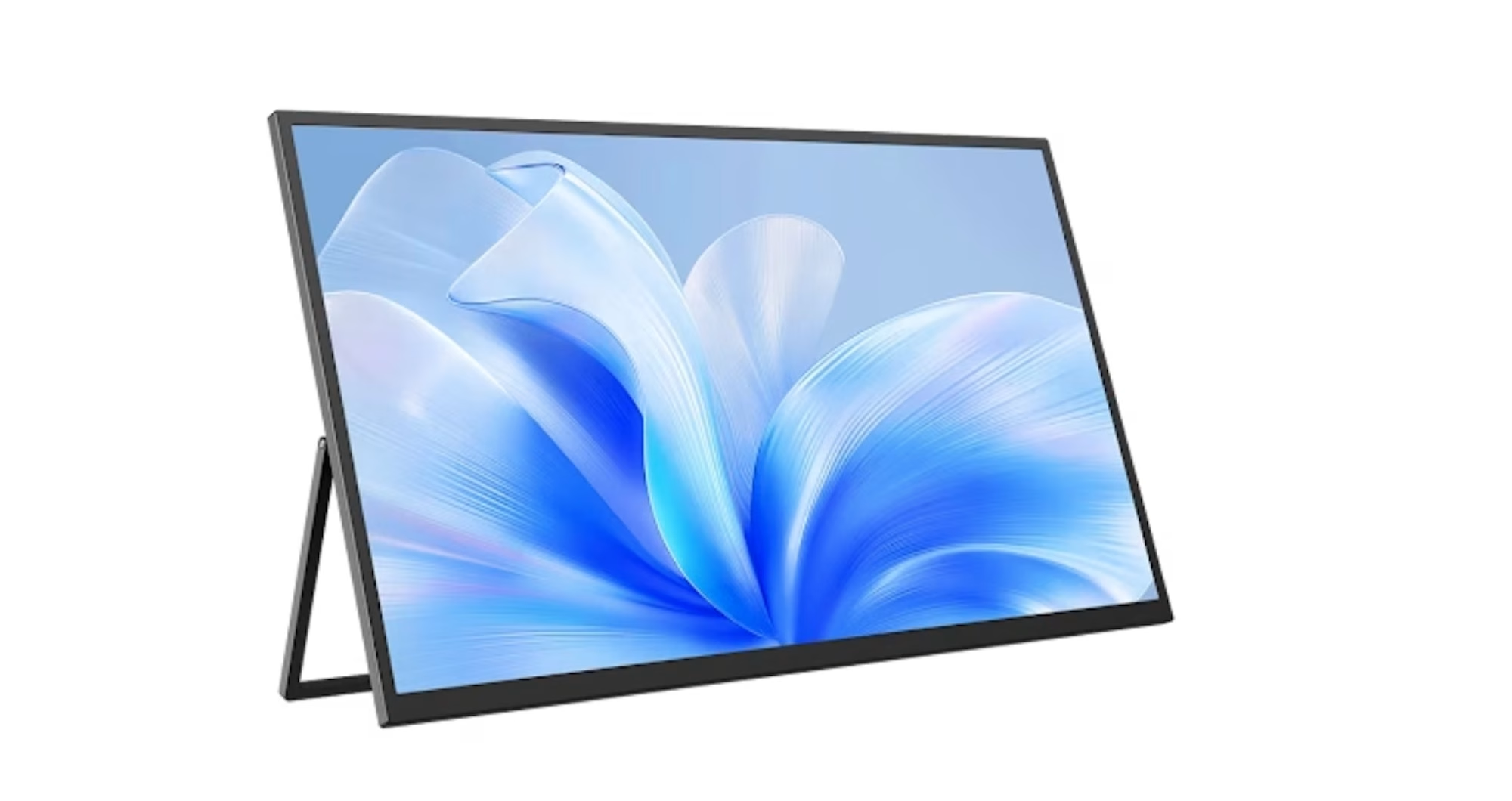
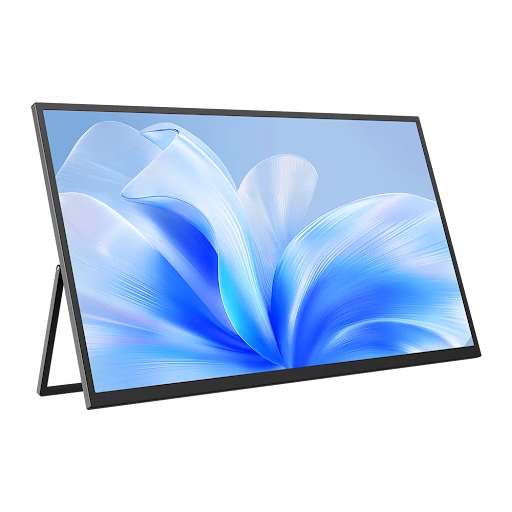
You still need to look at the specific rating, whether you’re buying a large desktop screen or a 22 inch portable monitor. It won’t fix all eye problems. If you have existing vision issues, see an eye doctor. A better monitor can help with strain, but it’s not a medical device.
TÜV Certification vs. Other Standards
You might also see “Eyesafe” certification. Eyesafe is good, but it mostly focuses on just one thing: blue light reduction. TÜV Rheinland looks at the whole picture. They check for flicker, colour quality, and more. For most people, a TÜV-certified monitor will do more to improve comfort.
Who Should Get One?

Almost anyone who spends time looking at a screen can benefit. But it’s especially useful for:
- Gamers: Long gaming sessions are tough on the eyes. A high refresh rate and no flicker are key. A good portable gaming monitor with this certification is a smart choice.
- Office Workers: If you stare at spreadsheets and documents for 8 hours a day, your eyes need a break. This certification means your monitor is working to help you.
- Students: Studying often means long hours online. A kinder screen can help you focus longer.
- Travellers: A 22 inch portable monitor that’s TÜV-certified is great for working on the go without the eye strain.
A Quick Comparison
| Feature | TÜV-Certified Monitor | Standard Monitor |
|---|---|---|
| Blue Light | Reduced at the hardware level | Might have a software “night mode” |
| Flicker | Eliminated or very low | Often uses flickering to dim the screen |
| Colour Quality | Tested to be accurate | Might look washed out or too bright |
| Testing | Verified by an independent lab | Claims made by the manufacturer |
Frequently Asked Questions
Q: Is the extra cost for a TÜV-certified monitor worth it?
If you use your monitor for many hours each day, yes. The reduction in eye strain and headaches can be significant. It’s an investment in your comfort.
Q: Can’t I just use a blue light filter app?
You can, and it helps. But software filters can make colours look yellow or strange. TÜV certification often means the blue light is reduced by the hardware itself, so colours stay true.
Q: How do I know if a monitor is truly certified?
Look for the official TÜV Rheinland logo on the product page or box. They have an online database where you can verify certified products.
Q: Are TÜV-certified monitors good for gaming?
Yes, absolutely. Many gaming monitors have this certification. It means you get a fast, responsive screen that also cares about your eyes during long raids or matches.
Q: Will this certification fix my eye problems?
It can help reduce strain and fatigue, but it is not a cure for vision issues. If you have persistent problems, you should see an eye doctor.
Q: Do I need a TÜV monitor if I wear blue light glasses?
They do similar things. If you always wear your glasses, you might not need both. But a certified monitor protects your eyes even when you forget your glasses.
The Bottom Line
So, is a TÜV-certified display really better for your eyes? The answer is yes. It’s not a miracle solution. You still need to take care of your eyes. But it makes a real difference. It tackles the main technical causes of eye strain: blue light and flicker.
When you shop for your next monitor, look for that TÜV Rheinland logo. It’s a simple way to know you’re choosing a screen that was designed with your comfort in mind. Your eyes will probably thank you later.